


GMP pharmaceutical manufacturing process and important regulations to know
04-10-2025 798
Pharmaceutical production according to GMP (Good Manufacturing Practice) standards is a mandatory requirement for pharmaceutical enterprises to ensure the quality, safety and effectiveness of pharmaceutical products.
Compliance with GMP-standard production processes not only helps businesses enhance their reputation but also meets the strict standards of the pharmaceutical industry. This article will provide important information about the GMP process as well as the legal requirements that businesses need to pay attention to to ensure that drug production activities meet the highest standards.
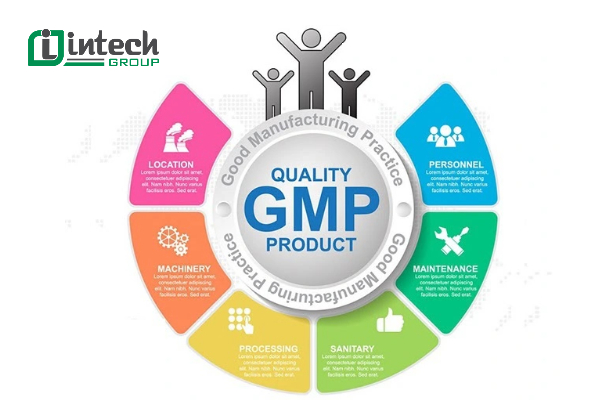
GMP-standard pharmaceutical production process
businesses enhance their reputation but also meets the strict standards of the pharmaceutical industry. This article will provide important information about the GMP process as well as the legal requirements that businesses need to pay attention to to ensure that drug production activities meet the highest standards.
GMP-standard pharmaceutical production process
In the pharmaceutical industry, compliance with GMP (Good Manufacturing Practice) standards is a mandatory condition to ensure the quality, safety and effectiveness of drugs. The following are 9 basic steps in the GMP-standard pharmaceutical production process.
Step 1: Import raw materials for production
Raw materials are an important factor in determining the quality of pharmaceutical products. For oriental medicine tablets, the main raw materials are natural herbs, which must have a clear origin and not contain toxic chemicals such as pesticides or chemical fertilizers.
Step 2: Checking the quality of raw materials
After being imported into the warehouse, raw materials are thoroughly tested to eliminate components that contain toxic substances or do not meet quality standards. Only qualified raw materials are put into the production process.
Step 3: Bringing qualified raw materials into the production area
Only raw materials that have passed quality inspection are transferred to the production workshop. If a batch of raw materials is found to be substandard, the process will be stopped immediately to avoid the risk of affecting the quality of the finished product.
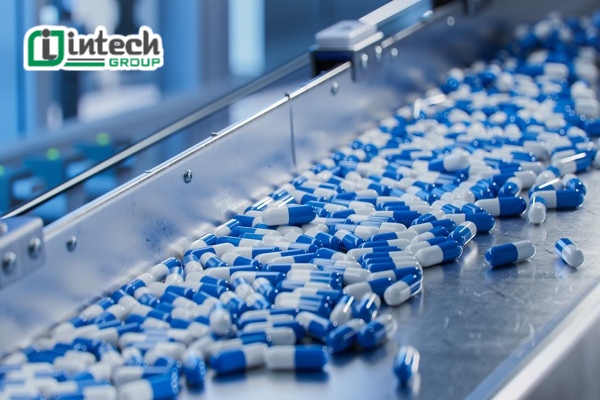
Step 4: Weighing, dividing batches and proceeding with production
Qualified raw materials are divided into batches with precise weights. Then, they are mixed according to the specified ratio in the raw material mixer. Before being put into the spray dryer to create granules, factors such as particle size and moisture content of the raw materials will be strictly checked. To suit each dosage form, the semi-finished product continues to be coated and mixed on the outside with strictly controlled speed and time.
Step 5: Tablet pressing, film coating
After preparation, the raw materials will be put into the tablet pressing machine to shape the product. During this process, the drug sample is continuously checked for weight, size and hardness to ensure quality standards. The completed tablets will go through the stages of spraying coating solution, turning the tablets, and drying the tablets to create a protective film coating.
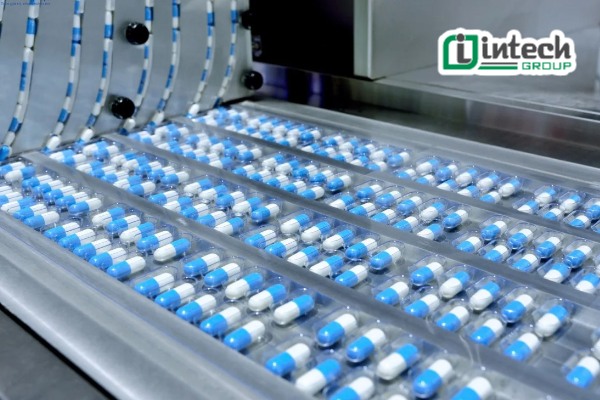
Step 6: Blister, bottle
Depending on the registered packaging method, the tablets will be blister-packed or bottled. The important requirement in this step is to ensure the correct number of tablets in each blister or bottle, while controlling the impact of air humidity to avoid affecting the quality of the drug. If using the bottle-packing method, the product will usually be sealed with an aluminum shell for protection before moving to the next step.
Step 7: Product packaging
After completing the production process, the product is packaged according to the registered quantity and model. Information on instructions for use, ingredients and important notes are provided fully on the packaging for easy reference by consumers.
Step 8: Quality control
Before being distributed to the market, pharmaceuticals must undergo a final quality control step to ensure that they fully meet the registered standards. Only qualified products are allowed to circulate.
Step 9: Storage and Distribution
After quality inspection, the product is stored in suitable conditions to ensure the stability of the drug. Before being released from the warehouse and distributed to customers, the enterprise will store product information to serve the later lookup and monitoring process.
The GMP pharmaceutical production process requires precision and strict compliance in every step. Quality control from raw materials to storage and distribution helps ensure that the drug is safe and effective when it reaches consumers.
Equipment in the pharmaceutical production line
In the pharmaceutical production process, the use of modern equipment is an important factor in ensuring the quality, uniformity and safety of the product. Below are common equipment in the pharmaceutical production line:
1. Raw material mixer
The raw material mixer plays an important role in mixing ingredients according to standard ratios, helping to ensure uniformity and optimal solubility in water. During operation, technical parameters such as powder moisture, mixing time, stirring speed and raw material volume are strictly controlled to ensure the quality of the finished product.
2. Granulating fluidized bed dryer
The granulating fluidized bed dryer uses the principle of heat exchange between the product particles and the hot air flow, helping the raw materials achieve the required dryness without affecting the quality. The air filtration system ensures that the incoming air is completely clean, eliminating the risk of bacterial contamination. During operation, the hot air flow is in direct contact with the liquid raw materials to create granules.
The sensors are connected to the control screen to monitor and adjust the temperature and pressure accurately. In addition, the working chamber door is designed with heat-resistant glass, making it easy to observe the entire drying and granulation process.
3. Tablet press
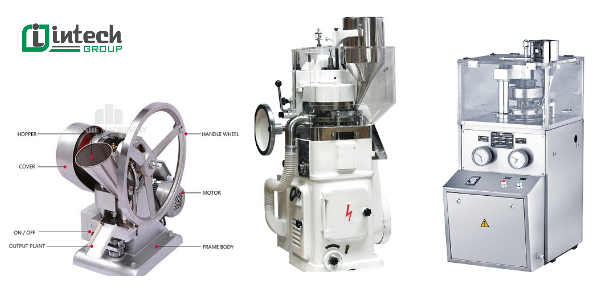
The tablet press is used to compress powdered materials into tablets with standard shapes and sizes. The machine has a rotating punch system, which helps to crush tablets with high precision. Some machines also integrate the function of printing logos on tablets to ensure brand recognition. Compact, flexible design and the ability to change the stamping die help to optimize the production process. In addition, the tablet press is equipped with a protective cover and a separate transmission to minimize cross-contamination in pharmaceutical production.
4. Tablet Coating Machine
The tablet coating process helps increase durability, protect the drug from environmental impacts and control the release of active ingredients. The film coating machine works by rotating the tablet continuously in the machine chamber, while the spray gun coats a layer of solvent on the tablet surface. Hot air is supplied in a cycle to help the film dry quickly, creating a smooth and durable surface. The exhaust gas treatment system helps ensure hygiene and safety in the production area.
5. Drug bottling machine
In pharmaceutical production, the bottling process is an important step to preserve the product before distributing it to the market. The bottling machine operates automatically according to the set standards, helping to optimize time, save costs and ensure pharmaceutical hygiene and safety standards. The machine can package many different types of products, from tablets, capsules to syrups and solutions.
6. Blister Press
Blister press is used to pack tablets into aluminum blisters or polymer blisters, protecting tablets from moisture, light and external influences. The machine operates automatically with the ability to stamp and attach aluminum plates according to standards, ensuring high precision and uniformity during production.
Some important regulations in the pharmaceutical production process
According to Circular No. 16/2011/TT-BYT, the principles and standards of good manufacturing practices for medicinal products from medicinal materials (GMP) are applied to ensure quality and safety in pharmaceutical production. Below are some important regulations that pharmaceutical enterprises need to comply with:
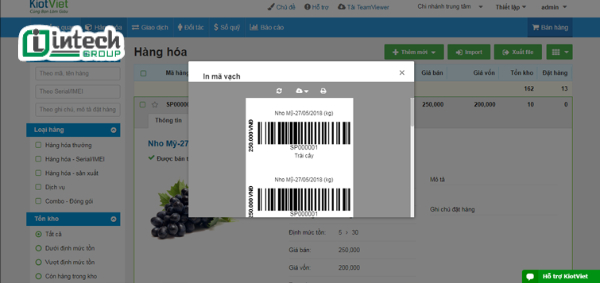
1. Regulations on batch and lot numbering system
Each pharmaceutical production unit needs to establish a batch and lot numbering system to identify products, control the date of issuance and production scale. This helps to effectively manage product quality and traceability.
2. Weighing and dispensing process
The weighing and dispensing area for raw materials must be separated from other areas to limit the risk of cross-contamination.
Staff working in this area need to be equipped with appropriate protective clothing.
The weighing and dispensing environment must maintain standards of hygiene, temperature, and humidity to ensure accuracy.
Measures to check and manage weighing and dispensing activities are mandatory to maintain the uniformity of pharmaceutical raw materials.
3. Requirements in the pharmaceutical production process
The entire production process must be closely monitored to ensure quality.
Personnel participating in production must be arranged reasonably and comply with protective clothing according to regulations.
The production environment and equipment and machinery must be periodically inspected to ensure accuracy.
Pharmaceutical raw materials must be stored in standard conditions to avoid influence from external factors.
Specific regulations:
- Tablet presses without a sealed environment must be located in a separate area.
- Tests on tablet weight and hardness must be performed during the tablet pressing process.
- Capsules must be weighed during the entire encapsulation process to ensure accurate mass.
- Empty capsule shells must be stored in a standard environment to avoid drying, cracking or being affected by humidity.
- Inks printed on coatings and capsules must use safe food coloring.
- The production and transportation of liquid, cream or powder drugs must be carried out in a closed system to prevent contamination.
4. Hygiene regulations in pharmaceutical production
Enterprises need to set up restricted access areas and apply strict control measures to minimize the risk of product contamination. Non-standard raw materials and waste in production must be handled safely, promptly and thoroughly according to regulations.
5. Quality monitoring during production
Enterprises must monitor and store information on product quality inspection results as well as production environment conditions.
Compliance with batch records and quality registration is a mandatory factor in pharmaceutical production.
6. Management of intermediate and finished products
The status of semi-finished and finished products must be clearly defined throughout the production process.
For non-standard and returned pharmaceuticals, businesses need to have a detailed processing system and control process.
7. Labeling and packaging process
The packaging used for packaging must meet safety and quality standards.
The labeling and packaging process must be carried out in a separate area to avoid errors and confusion.
8. Storage and distribution of pharmaceutical products
Finished products waiting to be released from the factory must be stored in a specialized area, complying with strict storage standards.
The transportation and distribution of products must ensure quality maintenance and avoid negative impacts from the external environment.
In the pharmaceutical manufacturing industry, the use of advanced equipment not only helps to optimize the production process but also ensures quality, safety and the ability to strictly control each stage. The combination of modern technology and strict control processes helps businesses improve productivity, meet GMP standards and bring high-quality pharmaceutical products to the market. Intech Group provides the leading automation lines in Vietnam, contact us now for advice and support.
