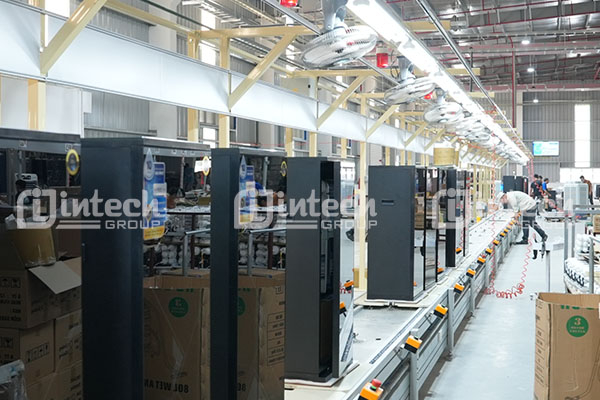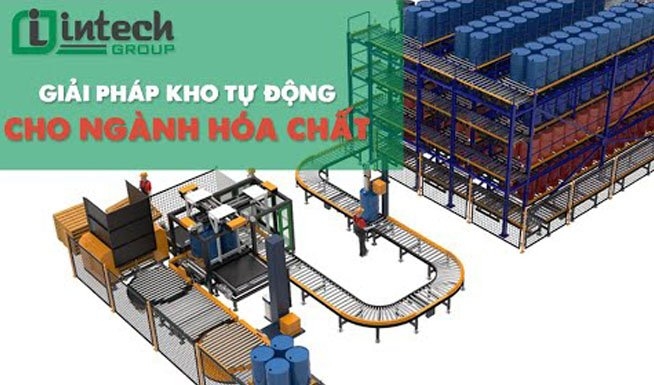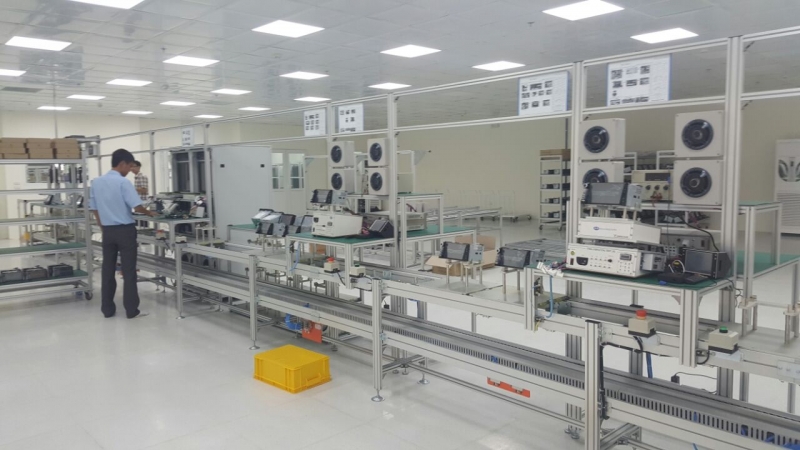


WHAT IS A SMART WAREHOUSE?
A smart warehouse (smart warehouse) is also known as an automated warehouse or intelligent warehouse. A smart warehouse represents the pinnacle of automating various components of a warehouse. This system utilizes storage racks that can be upgraded and modified to significantly increase capacity easily. Similar to smart home solutions, smart warehouses are activated with various automation technologies and interconnected. This combination increases work productivity and minimizes the need for human labor to the maximum extent.
INTRODUCING INTECH'S SMART WAREHOUSE SOLUTION 2024?
-
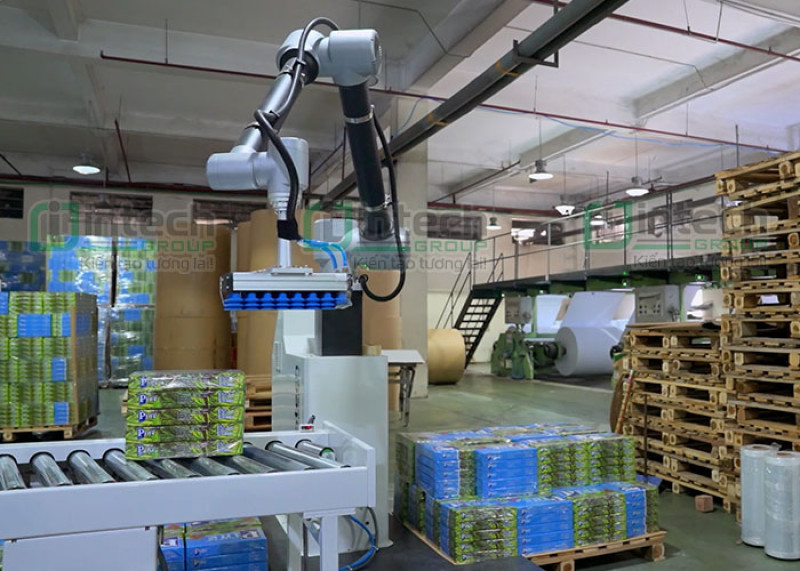
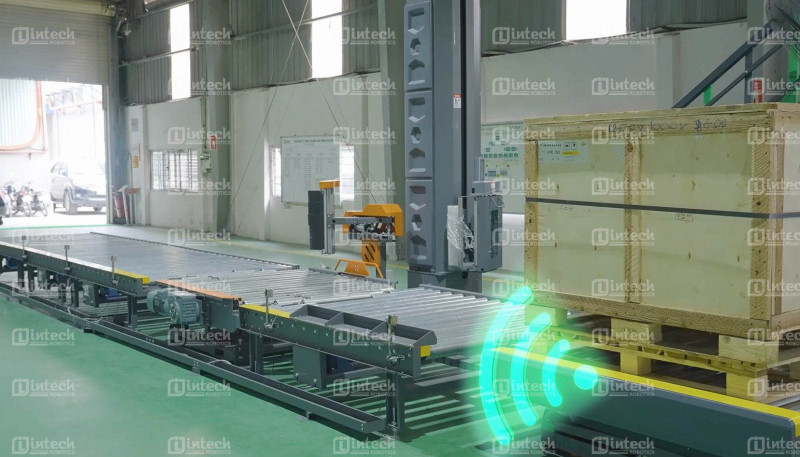
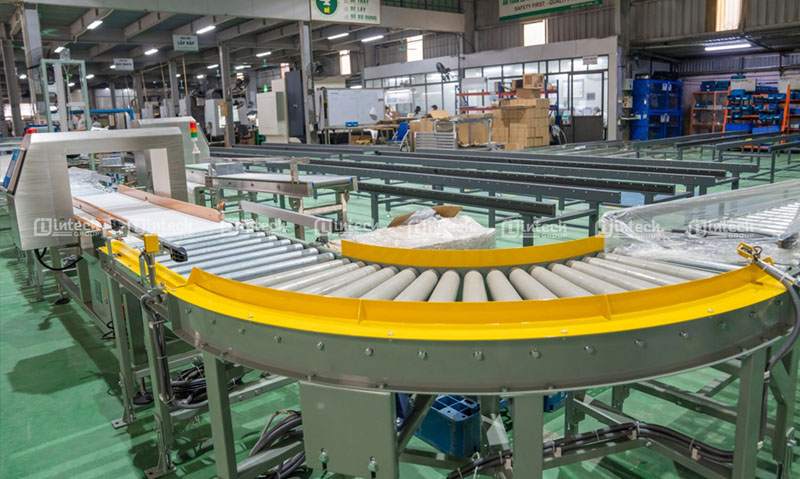
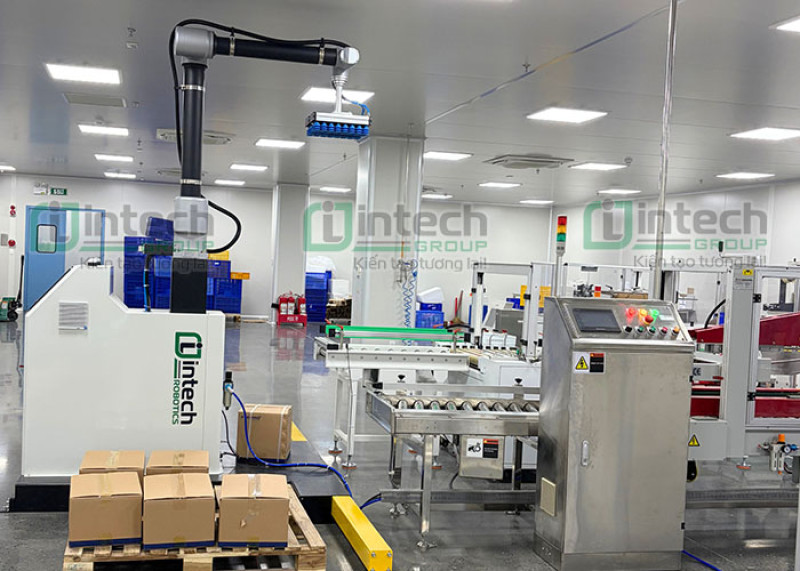
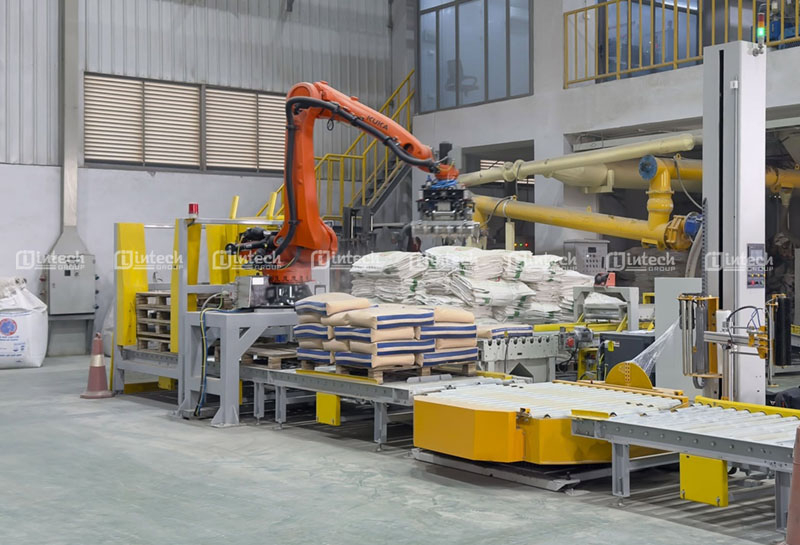
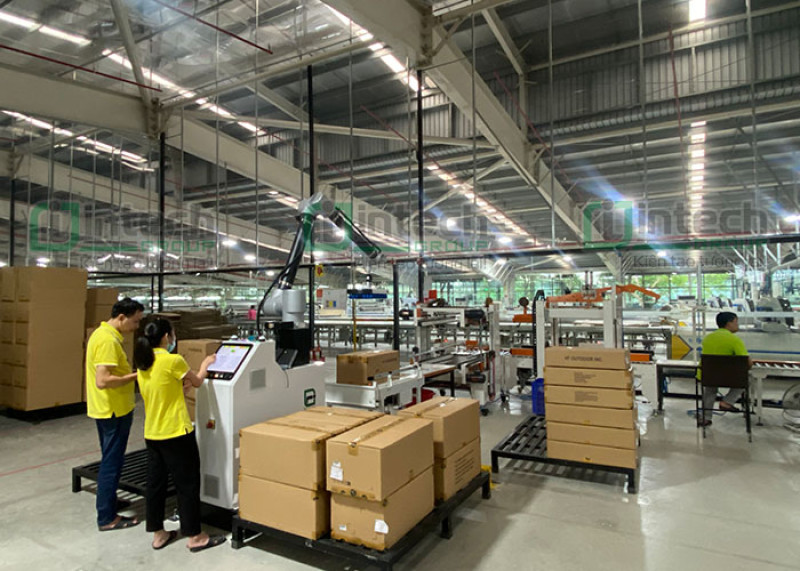
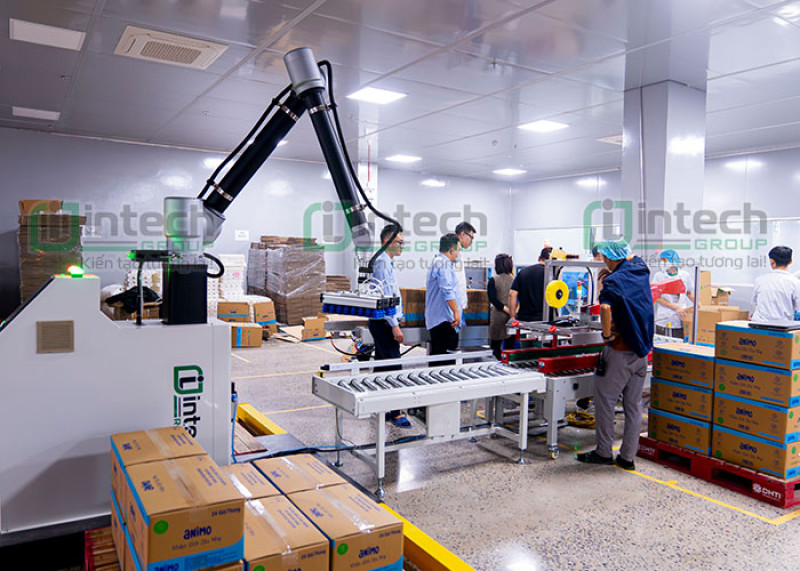
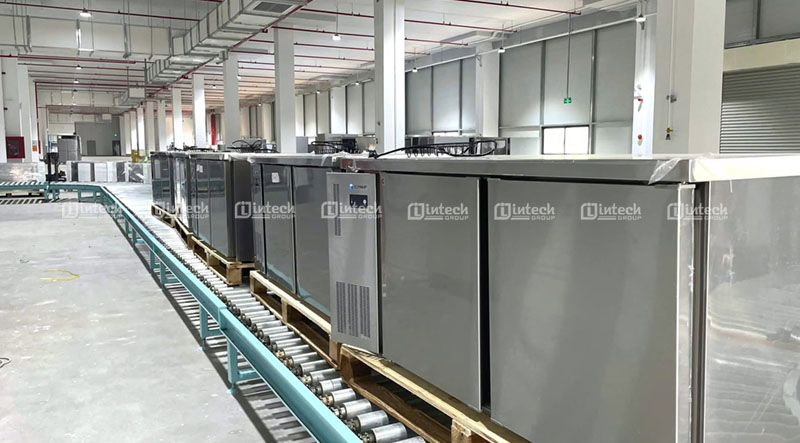
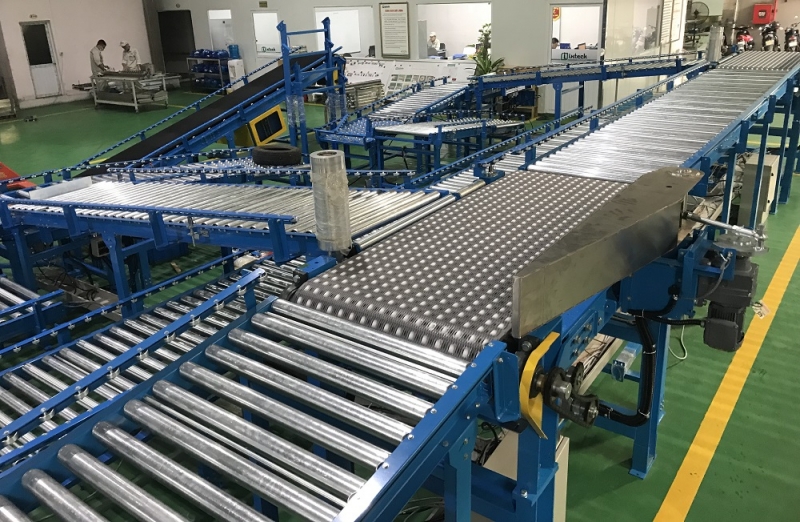
It is an ideal warehouse system for storing and circulating goods today, it uses Robotis, roller conveyors, ... to move goods, software to control the entire warehouse system and store information.
-
Importing and exporting goods is simple with just one command, everything is stored and remembered automatically, managing imports and inventories in real time accurately and flexibly.
-
In particular, the management software interface is user-friendly, with a 3D interface displaying warehouse status, import and export status, location of goods in the warehouse, ...
-
Nowadays, using an automatic warehouse system is a necessary solution, it improves economic efficiency, increases warehouse storage capacity, reduces operating labor, safety in operation, fast and accurate import and export, scientific and strict warehouse management, ...
-
Intech is the leading expert in Vietnam on flexible storage systems for smart warehouses (high-tech smart warehouses). Intech's Pallet Flow and Carton Flow solutions are deployed in warehouses and distribution centers across the country. High productivity coupled with low operating costs are the keys to the success of Smart Warehouse;
ADVANTAGES and DISADVANTAGES OF SMART WAREHOUSES.
Investment implementation advantages:

-
The entire smart warehouse system is fully automated, easy to operate and safe;
-
The warehouse system has high stability and low investment cost compared to the same storage capacity as a regular warehouse, low operating cost;
-
The smart warehouse system can easily replace and upgrade each part quickly without affecting operation because it has been modularized and standardized;
-
The management and control software system is very flexible, so it can easily meet the individual needs of each customer;
-
Easy and scientific import and export, low operating labor, saving monthly warehouse management and operation costs;
-
Large storage capacity on the same floor area (increased from 100% to 300% compared to a regular warehouse);
Disadvantages:
The ever-evolving technology has brought many benefits to business operations, including the logistics sector. Always meeting customer needs well and quickly adapting to market changes, businesses are increasingly paying attention and investing in high-tech storage systems. With automation and network connectivity, it promises to bring high efficiency and optimize operating processes. However, investing in this storage solution also has many potential risks and disadvantages that need to be carefully considered before deciding.
-
Initial investment: This is one of the main disadvantages compared to traditional warehouses, investing in smart warehouses requires a much larger amount of capital. The reason is the investment cost for automation systems such as AGV robots, automatic goods loading and unloading robots in automated lines, machinery, software systems and other smart devices.
-
Lack of adaptability: High-tech storage solutions also have disadvantages when businesses are using high-tech warehouse systems that cannot change or expand quickly according to market demand. Investing in smart devices and new technologies to upgrade the system will also cause large costs for businesses.
-
Obstacles in the process of system maintenance and maintenance: With the use of modern and complex technologies, system repair will also encounter many difficulties, be costly and require a very clear periodic plan.
-
Consider the workforce: the more modern it is, the more technically qualified employees are needed, capable of working with modern technological equipment, posing the challenge of finding and hiring capable employees, which is a difficult problem for businesses. The use of smart devices and industrial robots also requires a change in the way the workforce works. This can cause problems and difficulties for employees who are not familiar with technology and require time for retraining.
-
Information security: With the application of technology in the operation process, information security also becomes one of the issues that need to be concerned about. The risks of cyber attacks and data intrusion are issues that many businesses are afraid of when investing in a technology system.
-
Dependence on the network system and power source: This is also one of the factors that can cause many risks and unnecessary costs for businesses. If the network system is interrupted or has problems, the entire factory's operations will be interrupted and production productivity will be affected.
Thus, investing in a smart warehouse also means accepting the risks and drawbacks of modern technology. However, only when a thorough consideration of economic factors, human resources, and information security is undertaken can the investment truly be effective for the business.
IMPORTANT BENEFITS OF USING SMART WAREHOUSE SYSTEM.
1. Save investment costs compared to conventional warehouses:
- Assembled, modular, standardized structure makes construction quick and easy, easy to expand, maintain or replace components;
- Large utilization coefficient, increased from 100% to 300% on the same floor area compared to conventional warehouses;
- Low and optimal investment cost because we have focused on researching, inheriting and optimizing current warehouse models in the world and self-developing, localizing from mechanical structure to warehouse control and management software;
2. Save operating costs, automate warehouse stacking:
- Energy saving because the robot is programmed for each optimal and precise operation, no need for lighting when operating;
- Reduce labor, specialized forklifts and management apparatus, reduce redundant operations and incidents due to incorrect operations compared to conventional forklifts. Completely eliminate the work of arranging and gathering goods in the warehouse (this work takes up about 50% of human resources and often causes errors in warehouse management);
- Import and export goods accurately and flexibly with fast and accurate speed;
- Robots move and transport in the warehouse, on warehouse rails manufactured from modern equipment from reputable brands in the world, so they have a long life and low maintenance costs;
- Accurately quantify the time of importing and exporting a batch of goods, so you can be proactive in the time of importing and exporting;
- Programmed to accurately monitor the operating level of details for maintenance and replacement.
3. Ensuring security and safety for the storage of goods of businesses:
- Because the storage area is completely unmanned, it avoids insecurity, loss and ensures the hygiene of the warehouse area;
- The management board can control and monitor warehouse operations remotely in real time;
APPLICATION OF SMART WAREHOUSE SOLUTIONS BY ENTERPRISES TODAY?
- Building finished product and raw material warehouses for factories producing and processing food, pharmaceuticals, etc.
- Building distribution warehouses, transit warehouses, and consignment warehouses is a way to manage warehouses intelligently in the Logistics industry. These warehouses will be equipped with order picking lines for each separate product line. These order picking lines will reduce labor and floor space, control inventory data in real time during the picking and storage process;
- Building cold storage and cool storage in the frozen food industry, preserving vegetables and fruits;
SMART WAREHOUSE TECHNOLOGY - REVOLUTIONIZING MODERN WAREHOUSE MANAGEMENT?
In the era of digital technology explosion, businesses are looking for breakthrough solutions for smart warehouse management to optimize operations, minimize costs and improve efficiency. Among them, smart warehouse technology plays a particularly important role, promising to revolutionize traditional warehouse management.
A smart warehouse is an automated system operating in a warehouse, using advanced technologies such as smart machines, artificial intelligence (AI), the Internet of Things (IoT) and warehouse management software (WMS) to optimize the process of retrieving goods automatically. To perform these tasks, the following smart warehouse technologies are applied:
1 - Warehouse Management System (WMS)
A Warehouse Management System is the core software of a modern 4.0 warehouse, helping to manage goods, track the flow of products, optimize warehouse space, and effectively manage staff. The main functions of the WMS include:
-
Goods Management: This includes activities to track product information such as SKU, quantity, location in the warehouse, expiration dates, etc.
-
Inventory Control: Monitoring inbound and outbound warehouse activities, managing inventory, and reporting the status of goods.
-
Planning: Creating inbound/outbound plans, allocating storage space, and optimizing the movement paths of goods.
-
Employee Management: Recording employee information, managing tasks, and evaluating labor performance.
-
Integration with Other Systems: Integrating with accounting software, sales management software, and supply chain management systems.
Benefits of Using WMS:
-
Increased Labor Productivity: Automating processes reduces manual tasks and shortens the time required for handling goods.
-
Minimized Errors: WMS helps accurately manage the quantity and location of goods, reducing errors in warehouse management.
-
Effective Inventory Management: WMS allows businesses to track the quantity of goods in stock and create suitable replenishment plans, avoiding stockouts or slow-moving inventory.
-
Cost Savings: Automation makes warehouse management more efficient, minimizing the need for hiring multiple staff for management.
2 - Picking/Shipping Technology in Warehouses
The automated picking system is a common technology used in all modern warehouse models. Integrated with WMS, the automated picking system can handle order requests, pick items, and generate other shipping requests automatically. The features of the automated picking system include:
-
Item Location: The system can identify the location of each product in the warehouse and link it with information in the WMS to quickly search when needed.
-
Order Management: The system can process orders from customers, ensuring that picking is completed on schedule.
-
Process Optimization: The system will automatically optimize the movement paths of goods in the warehouse to save time and enhance efficiency.
-
Activity Reporting: The system can provide reports on picking activities in the warehouse, helping businesses evaluate effectiveness and implement improvements.
Thanks to the automation and optimization of the picking process, the automated picking system helps businesses save costs and increase labor productivity.
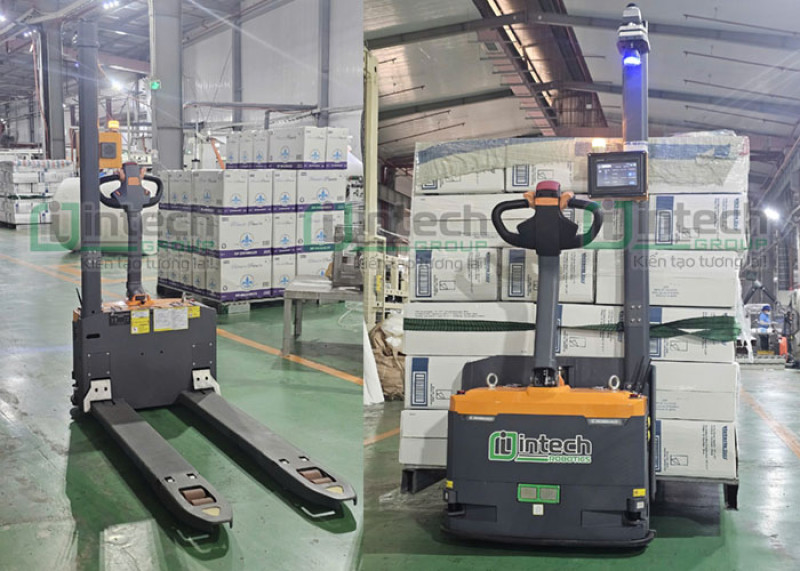
3 - Automated Guided Vehicles (AGVs) - A Line of In-House Transport Robots
AGVs are a type of autonomous vehicle used in warehouses to transport goods from one point to another either automatically or controlled by devices such as computers or smartphones. The features of AGVs include:
- Automated Route Programming: AGVs can be programmed to travel along fixed paths and can be easily changed according to requirements.
- Obstacle Detection and Avoidance Sensors: The AGV's sensor system helps detect and avoid obstacles during movement, ensuring the safety of goods and operating personnel. The vehicles are integrated with the WMS to transmit information about the location of goods during transportation.
- Cost Savings: Using AGVs instead of manual labor helps businesses save costs and optimize the transportation process.
4 - Automated Storage and Retrieval Systems (AS/RS)
The Automated Storage and Retrieval System (AS/RS) is a system that automates the processes of storing and retrieving goods in the warehouse. It includes tools such as robotic handlers, cranes, and moving machines to recover or store goods. The features of AS/RS include:
- Space Optimization: Goods are stored in high racks, helping to save warehouse space and optimize area usage.
- Automation of Storage and Retrieval: Goods can be stored and retrieved quickly.
- Precise Control: The AS/RS helps accurately monitor the quantity of goods in the warehouse (ensuring no shortages or excess).
- Minimized Errors: Using an automated system helps reduce errors in the processes of storing and retrieving goods.
5 - IoT Implementation
The Internet of Things (IoT) is a technology applied in smart warehouses to connect equipment using modern technology. IoT is responsible for collecting and transmitting information about warehouse activities, helping businesses gain an overall perspective and make effective decisions. Applications of IoT in smart warehouses include:
- Tracking the Location and Quantity of Goods: Sensors attached to pallets or products help businesses monitor the location and quantity of goods in the warehouse.
- Data-Driven Maintenance: Data collected from sensors can be used to assess the performance of equipment in the warehouse.
- Alerts for Issues: It provides alerts in case of incidents or when operational changes in the warehouse are necessary.
- Monitoring Environmental Conditions: It monitors operating conditions in the warehouse to implement preventive measures for better goods preservation.
6 - Artificial Intelligence (AI)
Artificial Intelligence (AI) is a technology used to enable computers to learn and improve tasks automatically. In warehouses, AI is integrated into systems to help make smart decisions and optimize processes. Applications of AI in smart warehouses include:
- Optimizing Picking or Shipping Routes: By continuously collecting data on goods.
- Forecasting and Planning: Based on factors such as customer demand and market conditions.
- Inventory Optimization: AI technology can analyze data to provide effective inventory management recommendations, helping reduce costs and enhance performance.
- Demand Forecasting: By analyzing historical data and forecasts, this technology can help businesses predict customer demand, prepare stock, and plan production in a timely manner to supply goods to the market.
- Human Interaction: AI can be used to interact with staff in warehouses, assisting them in executing daily tasks effectively.
In the context of the fourth industrial revolution, applying technology to warehouses helps optimize processes, save costs, enhance performance, and improve service quality. Investing in these modern technologies is not only a trend for smart warehouses but also a determining factor for the success of a business in the digital age. The combination of human and smart technology will create an effective working environment, enhance productivity, and allow businesses to quickly adapt to market changes while providing the best services to customers.
COST OF IMPLEMENTING A SMART WAREHOUSE MODEL?
In the context of the strong ongoing fourth industrial revolution, the application of technology in manufacturing and storing goods is inevitable. Investing in a modern storage model has become an undeniable trend. However, questions surrounding implementation costs, providing solutions, and installation are always a concern for businesses.
Factors Affecting the Cost of Implementing a Smart Warehouse
The cost of implementing a high-tech warehouse can vary greatly, depending on various factors. Here are some key factors that significantly impact costs:
-
Scale and Type of Warehouse: The area of the warehouse, the quantity of stored goods, and the height of the warehouse are direct factors affecting implementation costs. A larger warehouse that stores a variety of goods will require more equipment and smarter systems, leading to higher costs.
-
Type of Warehouse or Smart Warehouse Model: Different types of warehouses, such as cold storage, hazardous material storage, or automated warehouses, have different equipment and technology requirements, resulting in varying implementation costs.
-
Level of Automation: This refers to which technologies are applied in the warehouse, such as Automated Guided Vehicles (AGVs), automation lines, and goods receiving or picking technologies. This helps increase productivity and reduce reliance on human labor in warehouse management.
-
Nature and Characteristics of Goods: For certain goods with special characteristics, such as fragile items, temperature-sensitive products, or those with special dimensions, weight, and quantity, different storage equipment and systems will be required. Thus, the implementation costs of a smart warehouse will also be higher.
-
Location and Surrounding Environment of the Warehouse: The cost of construction varies by location, with higher implementation costs in urban areas compared to less populated suburbs. Additionally, if you want to build a warehouse in an area prone to rain, wind, or dust, maintenance and operating costs for equipment will be higher.
-
Feature and Functionality Requirements: Equipping features such as automatic sorting of goods, tracking inbound and outbound quantities, and automatic inventory management will incur additional costs.
Estimating the Costs of Implementing a Smart Warehouse:
To determine the cost of implementing a smart warehouse, you can refer to the following methods:
-
Steps to Estimate Costs: Businesses need to assess their current warehouses to choose whether to upgrade or construct a new one. Find a warehouse solution provider to engage in the consulting and design process for your business. They will help you calculate and forecast the costs for implementing a smart warehouse.
-
Self-Calculating Costs: Costs for basic warehouse solutions, advanced solutions, and comprehensive warehouse solutions can range from 10 billion to 500 billion VND.
Consulting Costs for Smart Warehouse Solutions:
Choosing a solution provider to consult on the implementation of an automated technology warehouse before upgrading is essential to establish a suitable implementation and design plan.
-
Overall Consulting Costs: Consulting companies will calculate costs based on the size of the business and specific customer requirements. This cost includes planning, design, selection, and proposing technology solutions for the entire facility.
-
Hourly Consulting Costs: Some consulting firms charge based on hourly work. If you only need advice on specific issues, you can hire experts to help resolve them.
-
Project-Based Consulting Costs: This form of consulting is commonly applied when a business has a specific project and hires a consulting firm solely to resolve that project. This is the approach that Intech Group has chosen, as we manage the entire process from consulting, design, supply, and installation for each customer looking to upgrade their existing traditional warehouse to a more modern smart warehouse.
Implementing a smart warehouse will help optimize warehouse management, increase productivity, and save costs for the business. However, careful and precise calculation and planning of costs are needed to avoid overspending financial resources.
SMART WAREHOUSE MODELS TODAY?
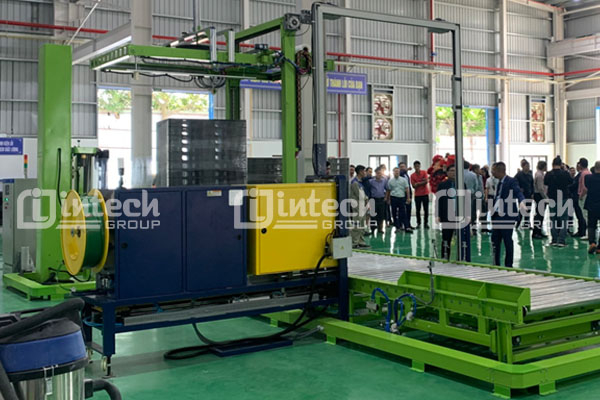
Currently, many smart warehouse models are developed and widely applied to improve warehouse management efficiency and increase automation. Intech Group is the leading unit in consulting solutions, designing smart warehouses, installing,... See the types of warehouses below:
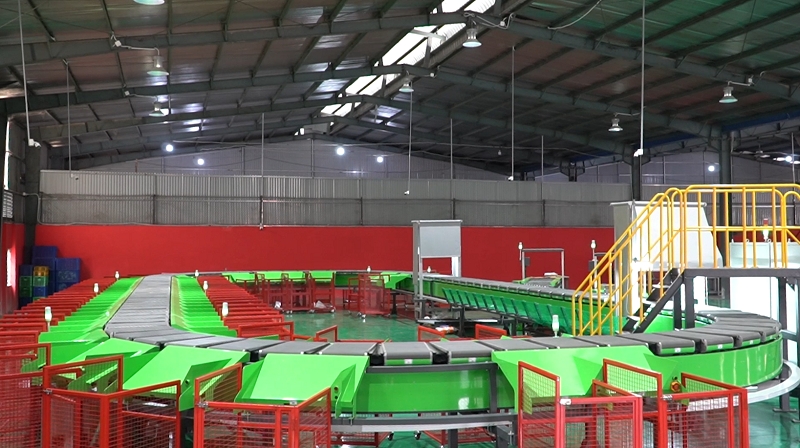
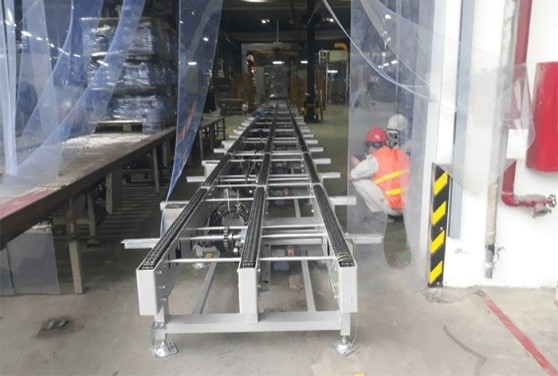
Sorting system, AGV, Smart warehouse - Part of Smart Factory and widely applied in express delivery companies (CEP), e-commerce companies.