

-

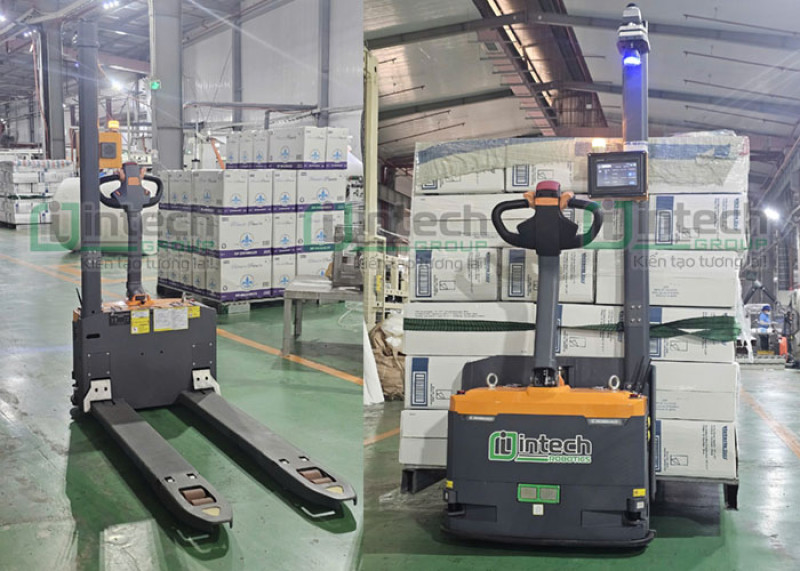
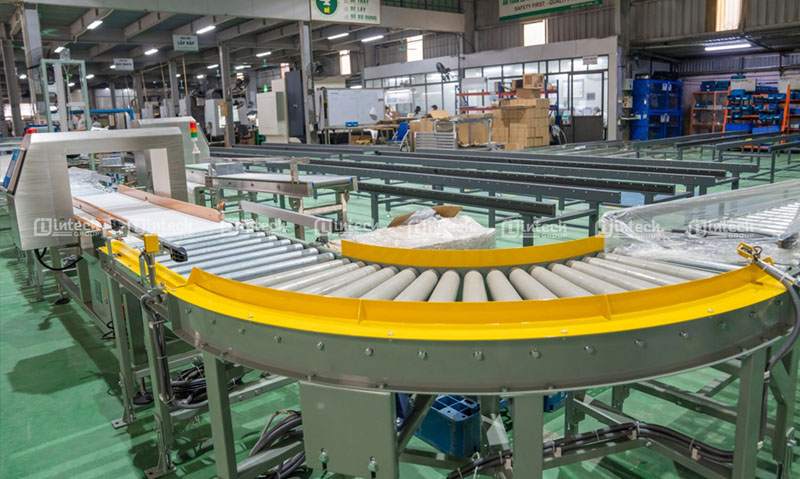
Robot AGV
-
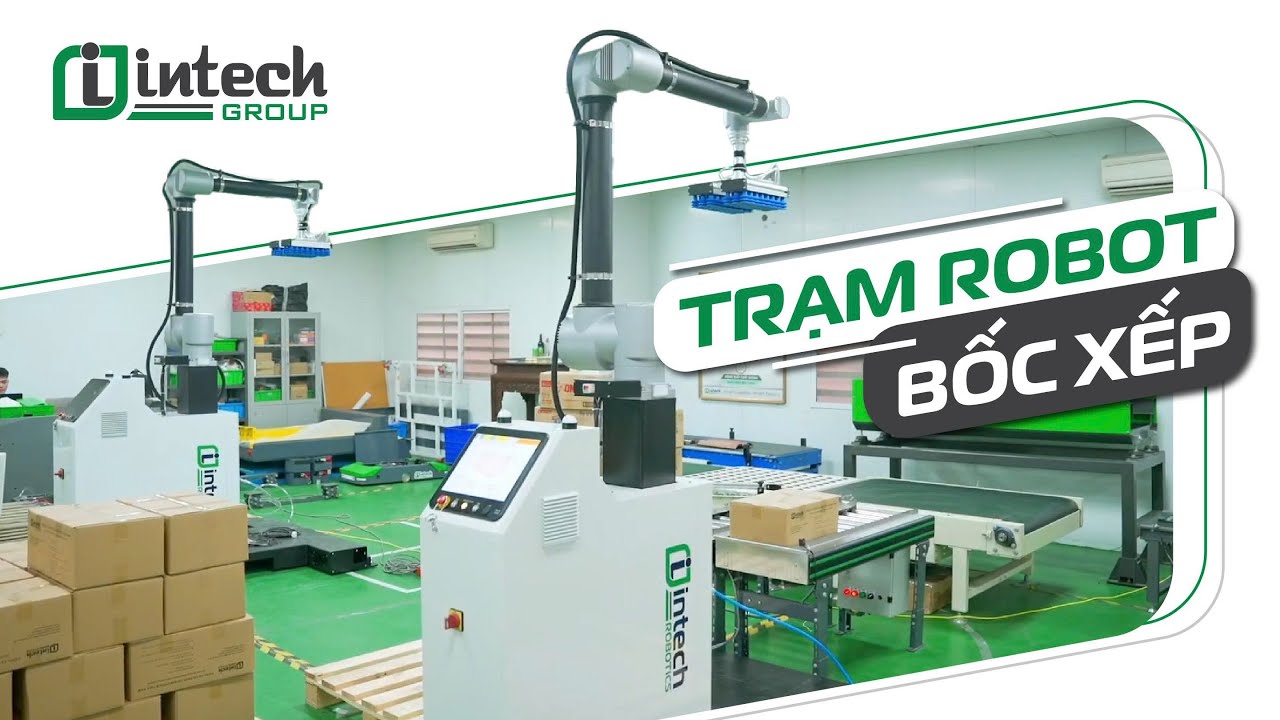
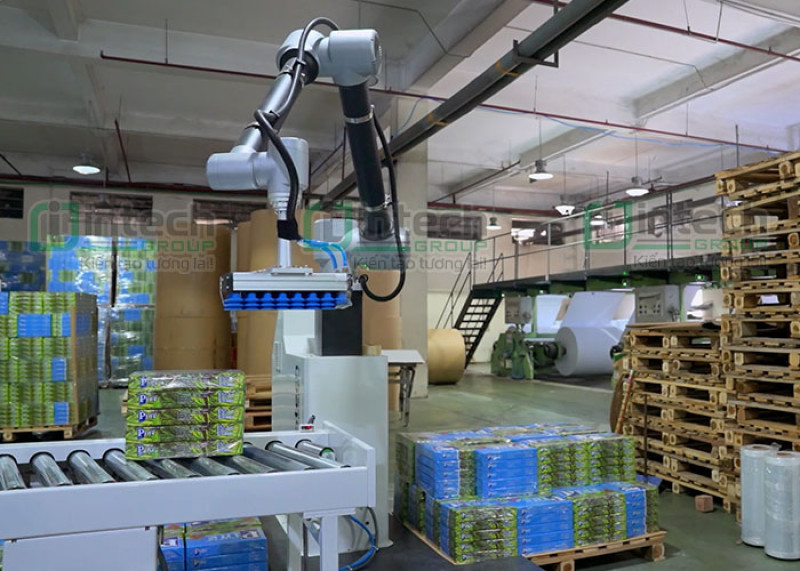
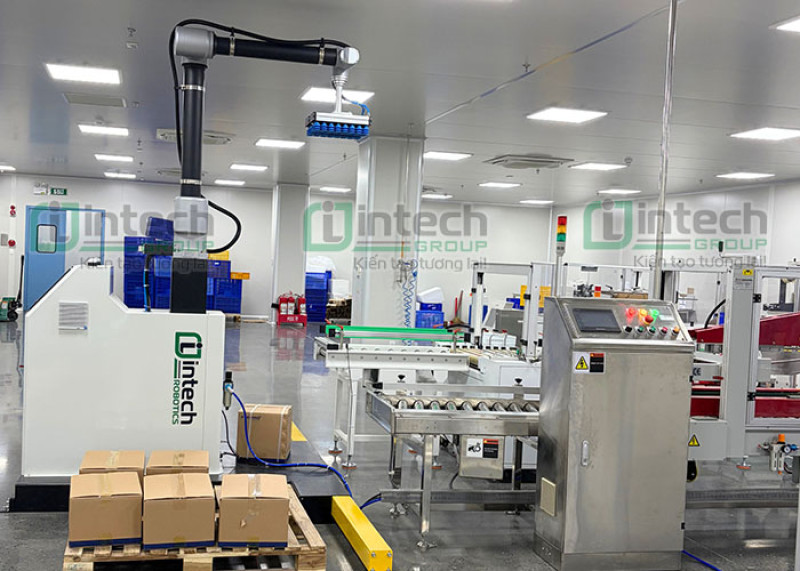
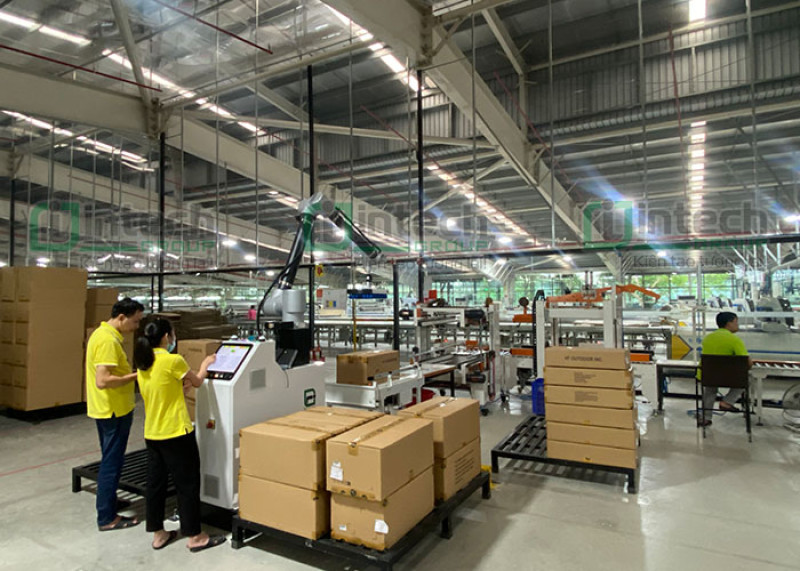
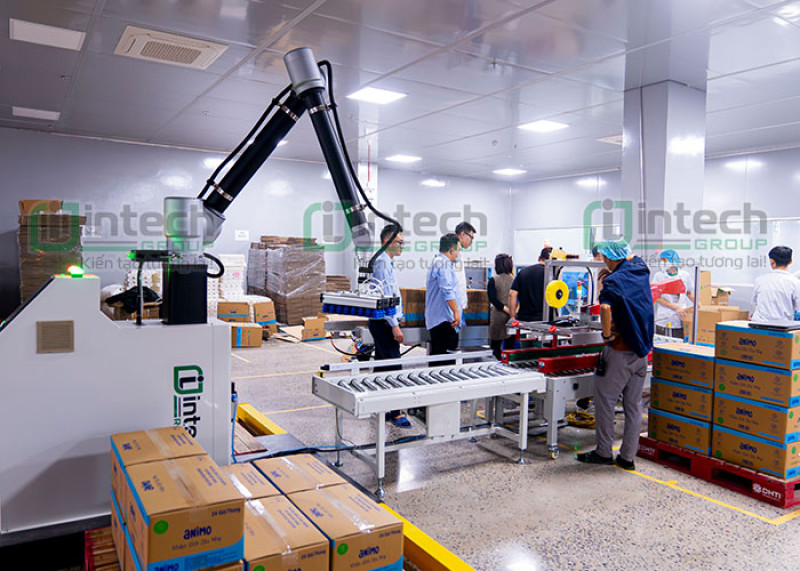
Collaborative palletizing workstation
Collaborative palletizing workstation
-

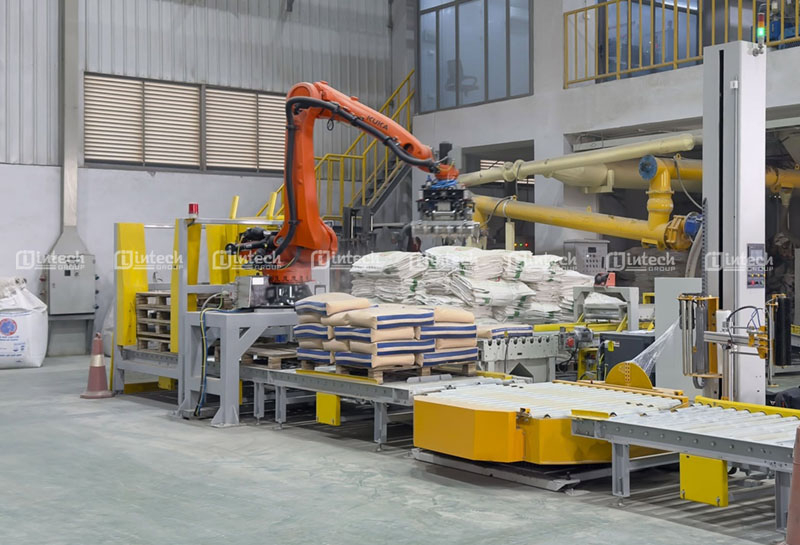
Robot Palletizing
AGV ROBOT - AGV VEHICLE | AUTOMATED ROBOT TECHNOLOGY AND AUTOMATIC TRANSPORTATION
WHAT IS AGV?
AGV autonomous robots are sophisticated machines installed in smart factories. AGV industrial robots are an important device in the development of smart factories as well as modern factory automation. Currently, autonomous vehicles are used in the material transportation industry of many industries such as: Automatic assembly solutions, e-commerce, medical equipment manufacturing, automotive industry, electronic components manufacturing, logistics,...
BENEFITS OF AGV AUTOMATED VEHICLES
AGV robots are mainly used in automated packaging factories, automated assembly solutions and smart warehouses to help businesses improve production efficiency compared to traditional shipping methods. Here are some outstanding advantages:
1. Reduce labor costs
AGV vehicles can transport large volumes of goods and operate independently without human intervention. Therefore, AGV self-propelled vehicles help businesses minimize labor costs while achieving maximum efficiency.
2. Absolutely safe
AGV robots operate based on a system programmed with high precision and ensure safety in production. The robot's sensors help it detect obstacles during the transportation of raw materials. Moreover, in toxic environments such as: chemical environments, environments that are too hot or too cold,... automatic goods transport robots become extremely useful.
3. Improve labor productivity
AGVs can operate 24/7 and have high precision, ensuring that the transportation process is error-free. Therefore, AGVs can help businesses optimize labor productivity when combined with conveyors, smart conveyor systems, automation solutions or sorting solutions.
4. Easy to change and expand modules
Most Vietnamese agv robot vehicles can be changed in modules to meet user requirements such as: upgrading, reducing load, changing distance,... In the 4.0 revolution, the use of agv robots or industrial robots in smart warehouse systems, automatic warehouses, and smart warehouses is a strategy that many domestic and foreign enterprises are investing in.
COMPONENTS OF AGV
Below are the most important automated guided vehicle (AGV) design components in the structural component system:
-
Vehicle - Aerostructure of the autonomous vehicle: The sturdy structure helps transport heavy loads.
-
Software - Server software: Control and communication functions help AGV operate the vehicle without traffic congestion, only requiring vehicle switching.
-
Central controller: The controller is programmed to control the vehicle to run independently, run in combination with multiple vehicles or run under the management of the operation center.
-
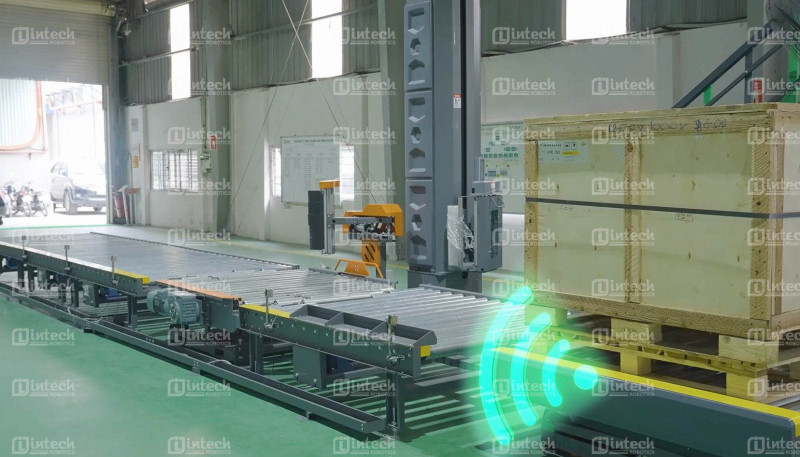
Wireless communication - Wireless communication: Helps communicate with production monitoring software, warehousing (warehouse management system, production inspection system, resource management system and the like).
-
User Interface - User interface: Manage material movement requests for the vehicle, manage vehicle alarms and communications, manage reports to analyze and improve overall operations.
-
Battery / Charger - Battery / Non-Connector: The types of batteries used in AGVs include: Flooded Lead Acid, NiCad, Lithium ion, Sealed, Inductive Power, Fuel Cell.
-
Data Transmitter: An AGV will transmit and receive data with the production control center via a remote transceiver system. In this way, the AGV will increase flexibility, can operate to transmit information at any location within the coverage area. In addition, the operator will control the working route, vehicle status. These devices include RF or Wifi transceivers.
-
Cart connection unit: This unit helps connect to the car, can operate automatically or manually.
 |
-
Battery Swapping: When the Battery level drops to a certain point, the vehicle is redirected to a Battery replacement station.
-
Automated Charging: When the Battery level drops to a certain point, the autonomous robot is redirected to a charging station.
-
Opportunity Charging: When the Battery level drops to a certain point, the AGV is redirected to an opportunistic charging station.
TYPES OF AGV TECHNOLOGY - SENSORS
1. Obstacle detection sensor
To avoid collisions during movement, AGV vehicles need sensors to detect obstacles within the moving range such as: laser sensors, optical sensors, ultrasonic sensors... depending on the selected configuration.
Usually the sensor will be divided into 3 working areas from far to near. If the obstacle is in these 3 areas, the AGV will take turns to perform the following actions: warning, slowing down, stopping quickly to ensure safety.
2. Collision sensor
3. Location sensor
The location sensor is used to determine landmarks. Helps control centers accurately determine the vehicle's location on the moving map. There are many options for use such as: readers and magnetic cards, or using the magnetic strips themselves to determine location.For example: Location sensors for pick-up points, drop-off points, turning points, stops, charging points, etc.
AGV AUTOMATED ROBOT GUIDANCE TECHNOLOGY
Guidance technology is required for AGVs to move. Goods can be placed on containers to be pulled or lifted, or placed directly onto AGVs with built-in trays or roller conveyors depending on the required functionality. Sometimes AGV robots are a combination of robocars and cobots (collaborative robots) with the ability to pick and place goods for pick & place applications.
.jpg)
The application of this automatic guidance technology has been developed since the end of the 20th century and is now being upgraded to a new level as the demand for automation in production and warehousing is increasing.
AGV vehicle guidance technology is being upgraded to a higher level of complexity today. With magnetic tape guidance technology, laser and QR code target navigation, inertial navigation (Gyroscope), natural targeting... on the factory floor.
Thanks to 360-degree camera navigation technology - Vision guidance, they work by using cameras to record features along the route that needs to be moved. Then build a 3D map from the captured image, allowing AGV robots to follow the programmed route.
Geoguidance technology: forklifts equipped with geoguidance technology help detect and identify columns, fixed objects and walls in the warehouse. Use these fixed references to determine the route of travel.
With increasing automation technology, AGV robots are programmed to communicate with other types of autonomous robots to ensure that products are moved smoothly in the warehouse in the shortest and fastest route.
FUNCTIONS OF AGV AUTOMATED ROBOTS
1. Display the location and status of AGV in real time.
2. AGV movement regulation.
3. Communication center: - AGV <-> AGV (F)
- AGV <-> Worker (D)
- AGV <-> Robot (A)
- AGV <-> Production line (C)
3. Robot route programming.
4. Update online program for robot.
COST ESTIMATION FOR DEPLOYMENT & INSTALLATION IN FACTORY - AGV Robot
To estimate costs reasonably, you need to pay attention to the following main contents:
-
Applications of AGV Robots: AGV in Logistics and Warehousing, AGV in Packaging, AGV in Assembly, Trailer Loading and Unloading AGV, AGV for handling raw materials...
-
Number of AGV Robots needed to invest: Depending on the area of the transportation space and the quantity of goods to be transported, the number of Robots will be different
-
Load capacity of the self-driving vehicle: The load factor is an essential factor that affects the cost and productivity.
-
Some other costs include: Costs for peripheral devices, software management costs...

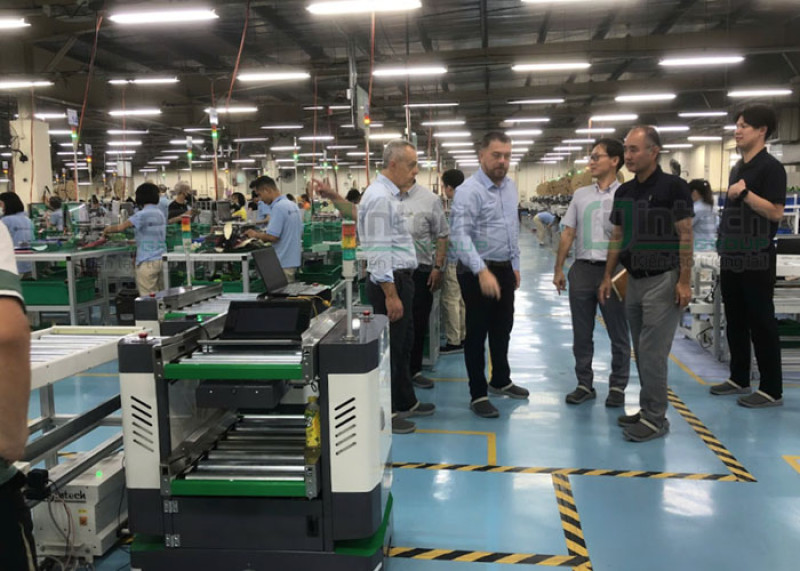
Cost of producing 6 autonomous robots at Intech research & development lab
TYPES OF AGV AUTOMATED ROBOTS
AGVs are becoming an important part of modern industry. They not only help improve production efficiency but also save labor costs and increase safety during the transportation of goods. With the rapid development of technology, more and more types of AGVs are designed to meet the diverse needs of businesses.
Some of the main types of AGV robots include:
-
AGV trolleys
-
AGV forklifts
-
AGV tractors
-
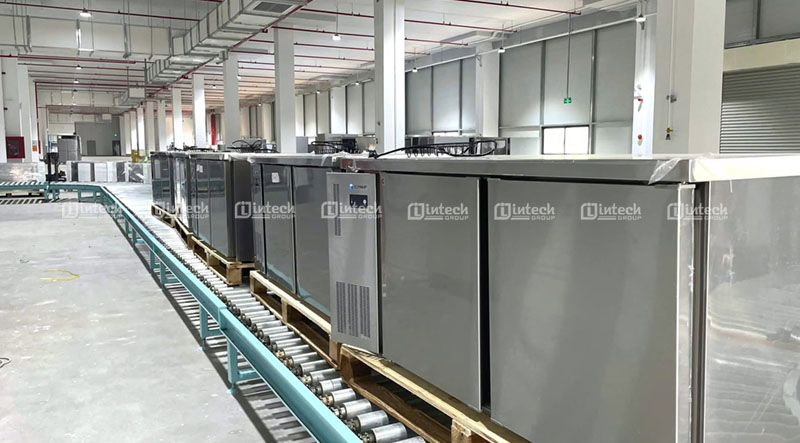
AGV conveyors
Each type of robot has its own characteristics, suitable for each specific task in the production and transportation process.
AGV Trolley
AGV Trolleys are autonomous robots designed to move and transport heavy goods in factories or warehouses (appearing in many factory automation lines or smart warehouses). These vehicles usually have a load capacity of 500kg - 1000kg depending on the model, design and technology
One of the biggest advantages of AGV trolleys is their flexibility, operating on many different surfaces and easily moving through narrow aisles. Thanks to advanced sensors and positioning technology, autonomous trolleys can automatically avoid obstacles and adjust their travel routes effectively.
In addition, AGV trolleys also help reduce the risk of injury to workers, allowing them to focus on higher-value tasks, thereby increasing productivity.
Vehicle sensing and positioning technology (which is an important factor in determining the vehicle's performance) is equipped with various types of sensors, including laser sensors, cameras and ultrasonic sensors. These sensors help autonomous vehicles recognize the surrounding environment, determine their location and plan a safe route.
In addition, some vehicles currently use GPS positioning technology in open spaces, while others rely on SLAM (Simultaneous Localization and Mapping) technology to build a map of the surrounding environment and determine their location.
AGV carts are now widely used in factories, warehouses and distribution centers (See some AGV deployment projects provided to customers in the Typical Projects section). They can transport raw materials from the storage area to the production line or bring finished products from the production line to the packaging area.
AGV forklifts
AGV forklifts are specialized autonomous robots for lifting and transporting heavy goods in limited spaces. They are often used in warehouses and manufacturing plants to optimize storage and transportation processes.
One of the outstanding benefits of AGV forklifts is the ability to automate heavy work, helping to minimize dependence on manual labor. The forklift's intelligent control system allows it to perform lifting and lowering operations without human intervention.
AGV forklifts are designed to be compact and flexible, allowing them to move in narrow spaces without difficulty. The front of the vehicle is equipped with a lifting device that can lift goods to a certain height, depending on the job requirements. In addition, the structure of modern AGV forklifts is also equipped with IoT connectivity technology, allowing them to interact with smart warehouse management systems. Thanks to this integration, the AGV system can receive remote commands and automatically update the status of goods.
This line of self-propelled forklifts also has the same benefits as other agv lines, which is the ability to save time and transportation costs while ensuring worker safety. These vehicles have the ability to automatically detect and avoid collisions, reducing the risk of accidents in the factory.
AGV forklifts are often used in distribution centers, smart warehouses and modern factories that invest in high-tech automated production lines, where the transportation of heavy goods is necessary. They can lift and move goods automatically, thereby contributing to optimizing the work process.
AGV Tow Truck
AGV tow trucks are a type of autonomous robot designed to tow and transport goods on flat surfaces. They are often used in large factories and warehouses where the transportation of heavy goods from one area to another is necessary.
AGV tow trucks are capable of towing a variety of different types of carts, from simple shopping carts to complex packaging equipment. This makes them a versatile solution for transporting goods in different industrial environments.
AGV tow trucks are often equipped with powerful motors and intelligent control systems, allowing them to move quickly and accurately. In addition, they are also equipped with sensors to detect and avoid obstacles in their path.
With their superior design and features, AGV tow trucks can operate continuously for many hours without stopping to recharge their batteries. This helps to increase work efficiency and minimize downtime in the production process (Currently, Intech also has a typical project providing this type of trailer. If you are interested, you can refer to the Intech Group typical project section)
In the logistics industry, AGV trailers are used to transport goods from warehouses to production lines or between different areas in the factory. The flexibility and high performance of AGV trailers help to optimize the process of transporting goods, thereby improving work productivity, and can be integrated with smart warehouse management systems, allowing for more efficient tracking and coordination of goods transportation.
AGV conveyor
AGV conveyor is one of the special types of autonomous robots designed to transport goods on conveyors. They are often used in production lines and food processing plants, where the fast and efficient transportation of goods is essential.
AGV conveyors help automate the process of transporting goods, minimizing the need for employees to be directly involved in the process. These innovative autonomous vehicles are capable of continuous operation and high performance, which significantly improves production productivity.
AGV conveyors usually consist of a sturdy frame, conveyor belts (designed to transport goods smoothly and steadily) and control components. One of the great advantages of AGV conveyors is the ability to work in environments with many changes, and can easily adjust the route and speed of transport according to the requirements of the production process.

AGV Conveyor Vehicles
In the current context of Industry 4.0, AGV autonomous robots are playing an increasingly important role in improving production efficiency and transporting goods. From AGV trolleys, AGV forklifts, AGV tow trucks to AGV conveyors, each type of robot has its own characteristics and applications, helping to optimize the workflow in factories and warehouses.
XE TỰ HÀNH AGV CỦA INTECH GROUP
Xe AGV của Intech Group cung cấp ứng dụng vào việc vận chuyển hàng hóa linh hoạt hoặc thao tác, trung chuyển trong các công đoạn sản xuất mà không cần sự can thiệp của con người, được sử dụng cho nhiều ngành công nghiệp và cho các giai đoạn, khâu sản xuất khác nhau.
Các công nghệ tiên tiến được áp dụng cho các sản phẩm bao gồm Laser scaner, giao tiếp không dây, cảm biến, RFID, cơ sở dữ liệu lớn, nhận dạng hình ảnh, cảm ứng âm thanh, v.v ... Giảm lao động và cường độ làm việc, giảm chi phí hậu cần, giảm đáng kể theo dõi thời gian thực của sản phẩm.
Với những ưu điểm này thì các xe AGV càng được sử dụng rộng rãi thay con người và là một xu hướng tất yếu trong phát triển lĩnh vực công nghệ cao.
DÒNG XE TỰ HÀNH AMR CẢI TIẾN CỦA INTECH GROUP
Robot AMR (Autonomous Mobile Robot) là dòng robot tự hành có thể di chuyển độc lập trong môi trường của nó bằng cách sử dụng cảm biến, thuật toán để tránh các vật cản, chịu sự giám sát trực tiếp của con người hoặc một con đường cố định được định sẵn
Launch of improved AMR autonomous robot line
AMR robots are often used in the process of transporting, moving goods in warehouses, collecting data or analyzing reports of goods in warehouses. This is considered one of the advanced technology solutions in the field of automation and robotics.
1. What is an AMR robot?
An AMR robot is a line of autonomous mobile robots or amr, which is a line of autonomous vehicles that use sensors, on-board processors to move materials without physical guidance or markers. AMR autonomous vehicles learn by themselves, search the environment, remember their location and automatically plan their route from a reference point.
Features of AMR autonomous vehicles: Navigation: AMR vehicles use LiDAR sensor technology & Mapping, SLAM (simultaneous mapping), AMR makes choices and determines the best route between reference points.
2. Basic differences between AMR robots and AGV robots
AMR (Autonomous Mobile Robot) & AGV (Automated Guided Vehicle) robots are both mobile automated robots used to transport goods in industrial environments. However, there are some basic differences between their ARM AGVs:
Navigation System:
-
AGV Robot: For AGV vehicles, fixed guidance systems such as ground guidance, strip, or magnetic sensors, metal sensors, optical sensors are often used to move in the factory. In addition, this vehicle line also provides safety sensors to avoid collisions with surrounding objects, the space they move. However, the AGV robot will stop completely when encountering obstacles, and can only move when moved to another location.
-
AMR Robot: In contrast to AGV, the AMR Robot line often uses LiDAR sensors & mapping, machine learning technology, 2D/3D sensors, and vision systems to self-position and navigate without the need for fixed infrastructure. AMR robots are also equipped with safety sensors, with the ability to avoid collisions with surrounding objects in the operating environment. During the moving process when encountering obstacles, AMR can automatically find a way to avoid obstacles, instead of standing still at the location where the obstacle is encountered like AGV. This advantage helps production activities in smart factories and smart warehouses become safer, goods in the warehouse are transported accurately and quickly.
Flexibility and Adaptability:
-
AGV robots are often not highly appreciated for their flexibility because they are only capable of performing tasks and following a single predetermined path. In case the business intends to change or improve the warehouse to a smart warehouse, all information related to the AGV robot's travel route will have to be rebuilt, requiring a large amount of funding
-
AMR robots: Highly flexible and able to adapt to rapid changes in the working environment. They can automatically adjust to adapt to unexpected fluctuations. AMRs on the same robot can perform different tasks, in different locations, automation makes adjustments to meet the changing requirements of the production environment. In particular, AMR vehicles can be controlled through the robot interface or configured with control software, allowing them to automatically prioritize and select the appropriate robot for certain tasks. Sorting systems, AGVs, Smart warehouses - are part of the smart factory system and are widely used in manufacturing companies, in highly automated factories, in express delivery (CEP), e-commerce companies.