


Notes on quality control of electric vehicle batteries in production
30-09-2025 127
Electric vehicle batteries play a central role in the transition from internal combustion engine (ICE) vehicles to electric vehicles (EVs). The fundamental differences between the two systems require manufacturers to completely restructure their supply chains and quality control processes.
In the supporting and automation industry, ensuring the absolute performance and safety of electric vehicle batteries has become a top priority. This has prompted businesses to increase investment in battery production, testing and quality monitoring technology to meet the strict standards of the rapidly growing electric vehicle market.
Overview of electric vehicle batteries
Electric vehicle batteries are playing a central role in the green revolution of the transportation industry, helping to reduce polluting emissions and contribute to improving urban air quality. Unlike vehicles using traditional internal combustion engines (ICEs) that emit many toxic substances, electric vehicles operate on electric energy stored in batteries, creating almost no emissions during use.
However, electric vehicle battery technology is still in the process of being perfected and continuously innovated, and has not reached the level of stability and standardization like ICE engines. This places strict requirements on businesses in the supporting and automation industries, especially in quality control and line optimization. An electric vehicle battery system can include hundreds to thousands of separate cells, controlled by an intelligent battery management system (BMS). Even a small error in the manufacturing process can affect the performance, lifespan and safety of the entire system, requiring increasingly modern and accurate automatic quality monitoring and testing solutions.
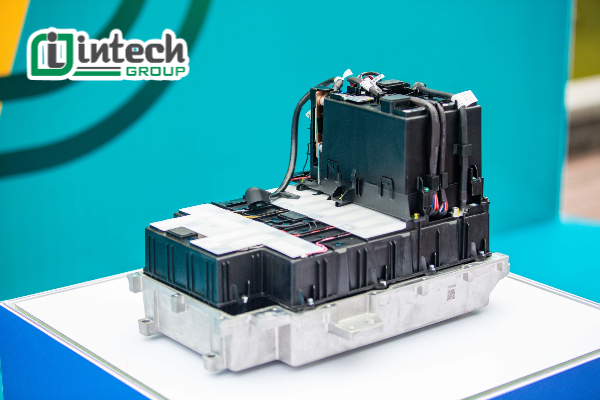
Detailed comparison of popular electric vehicle battery types today
In the supporting and automation industry, choosing the right type of electric vehicle battery is a key factor affecting performance, durability, production costs and the ability to deploy technology on the line. Below is a comparison table of popular electric vehicle battery types today:
| Electric vehicle battery types | Outstanding advantages | Disadvantages | Common applications |
| Pin Lithium-ion (Li-ion) | - High energy storage capacity | - High production cost due to complex technology | Commonly used in high-end electric vehicles such as Tesla, Selex, AGV autonomous robots, etc. |
| Nickel-Metal Hydride (NiMH) batteries | - High safety | - Lower capacity than Li-ion | Commonly used for hybrid vehicles and early EV models |
| Lead-Acid batteries | - Low cost, used for a long time in many electrical devices | - Heavy weight | Used in low-cost electrical equipment, now rarely used in modern electric vehicles |
With the strong development of automation and traceability technology, the integration of smart battery quality control systems, from cell production to battery assembly, is a key factor to help businesses in the supporting industry optimize performance, ensure safety and meet strict technical requirements from electric vehicle manufacturers.
Important notes in the electric vehicle battery production process
In the supporting and automation industry, the electric vehicle battery production process requires precision and strict control at every stage. The following are important notes to know to ensure the quality and safety of the battery:
1. Control the quality of each battery cell
Each electric vehicle battery cell, also known as a battery scanner, needs to fully meet the technical requirements of voltage, capacity and discharge capacity. Any deviation between cells can reduce performance, affecting the life and stability of the entire battery system.
2. Module and battery pack assembly process
The cells will be assembled into modules and continue to assemble into a complete electric vehicle battery pack. Ensuring a solid electrical connection, an effective cooling system and the mechanical strength of the battery pack helps the battery operate stably in the actual operating environment.
3. The role of the Battery Management System (BMS)
BMS is the core component that coordinates all battery operations such as charging, discharging, temperature control and fault warning. An effective BMS system will help the battery operate safely, improve performance and prolong its service life.
4. Environmental resistance
Electric vehicle batteries need to be designed to operate well in harsh conditions such as high temperature, high humidity or continuous vibration. Before being put on the market, they must go through a quality testing process such as heat resistance, shock resistance and durability tests.
5. Safety is always the top priority
Strict electric vehicle battery testing steps help detect technical errors early, avoid the risk of fire and explosion and protect users during vehicle operation.

Serious consequences of improper use of electric vehicle batteries
Using electric vehicle batteries that are not technically correct or of poor quality can cause many serious consequences, directly affecting the performance, operating costs and safety of electric vehicles. Here are some common consequences:
1. Reduced performance and travel distance
Substandard electric vehicle batteries can provide unstable power or insufficient capacity, causing the vehicle to lose operating performance. This leads to a difference in travel distance compared to the expected, affecting the user experience.
2. Shortened battery life
Poor manufacturing quality, especially in the battery cell testing and module assembly stages, can cause electric vehicle batteries to degrade rapidly. Users have to replace batteries early, leading to increased maintenance costs, losing the economic advantage of electric vehicles.
3. High risk of insecurity
One of the biggest risks when using an unsafe battery is overheating, electrical leakage or even explosion. These incidents directly threaten the lives of drivers, passengers and people around.
4. Impact on brand reputation
If the quality of an electric vehicle battery product is not guaranteed, not only will consumers suffer but the reputation of the manufacturing brand will also be seriously affected. Loss of trust from the market can cause great losses and is difficult to recover.
To minimize the above risks, electric vehicle manufacturers and electric vehicle battery suppliers need to focus on investing in modern quality control systems, high-precision measuring devices, and ensuring that production processes are strictly controlled. In addition, the technical operation team must clearly understand the characteristics of the battery for safe and effective use.

Electric vehicle batteries play an extremely important role in the development of the electric vehicle industry, greatly affecting performance and environmental friendliness. Before making an investment decision, electric vehicle users need to understand clearly to make the right decision to help optimize costs and improve production efficiency.
