


What is a Forklift? Classification of popular Forklift lines
06-10-2025 139
Forklift is a specialized equipment that helps move and arrange goods effectively in warehouses, improving productivity and optimizing working space.
The term Forklift is popular in industry and logistics, but not everyone understands what Forklift is and how it works. In this article, we will learn about Forklift in detail and specifically.
What is Forklift?
Currently, the term "Forklift" has two main definitions:
Forklift is made up of two words: "Fork" (fork) and "Lift" (lift). In this sense, Forklift refers to the lifting part attached to the front of the forklift. The lifting fork has the function of supporting and lifting goods, helping to move them easily and effectively.
Another definition of Forklift is "forklift" or "Forklift". This is a mechanical device that uses forks to lift and move goods from one location to another. Forklift consists of two main components: moving parts (wheel system and engine) and lifting parts (forks and lifting frame).
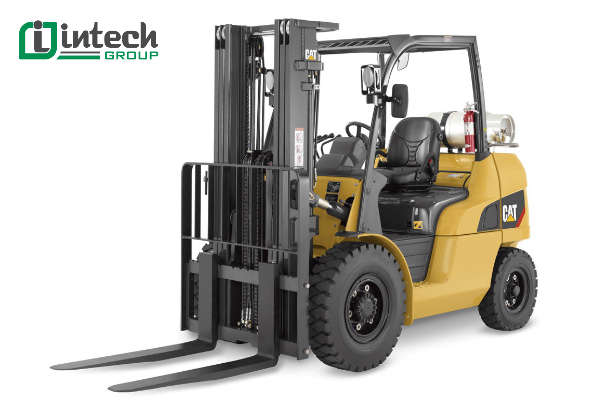
Structure and function of Forklift
Forklift is a type of forklift, widely used in warehouses, factories, seaports, and construction sites. It helps reduce labor, increase work efficiency and ensure safety in handling goods.
Moving parts: Including wheels, engines and steering systems to help the vehicle move flexibly.
Lifting parts: Forks and lifting frames help lift and lower goods, making loading and unloading quick and accurate.
In industry and logistics, when referring to "Forklift" or "Forklift vehicle", people often understand it as a forklift, not just a fork. Therefore, in this context, "Forklift" mainly refers to a complete forklift equipment, using forks to support the transportation and lifting of goods.
How to name forklifts in English
Forklifts are classified according to the load capacity, lifting height and engine of the vehicle. Here are some commonly used Forklift names:
- Internal Combustion Pneumatic Forklift: Internal combustion engine pneumatic tire forklift.
- Internal Combustion Cushion Forklift: Internal combustion engine solid tire forklift.
- High Capacity Forklift: High capacity forklift.
- Electric Counterbalance Forklift: Electric counterbalance forklift.
Some other Forklifts have a simple structure and are easy to use in warehouses and factories such as:
- Hand pallet truck: Manual pallet truck.
- Walkie pallet truck: Electric pallet forklift.
- Order picker: Order picker, order picker.
- Platform Stacker: Shelf stacker.
- Stock chaser: Goods picker.
- Personnel carrier: Personnel carrier.
Reach truck: Forklift with outstanding lifting range in warehouses and factories.
Classification of common Forklift lines
Forklifts, or forklifts, are important equipment in many industries and logistics. Each field will have its own requirements for lifting and moving goods, so Forklift lines are also classified to meet those diverse needs. Below are the common Forklift classification methods that you need to know.
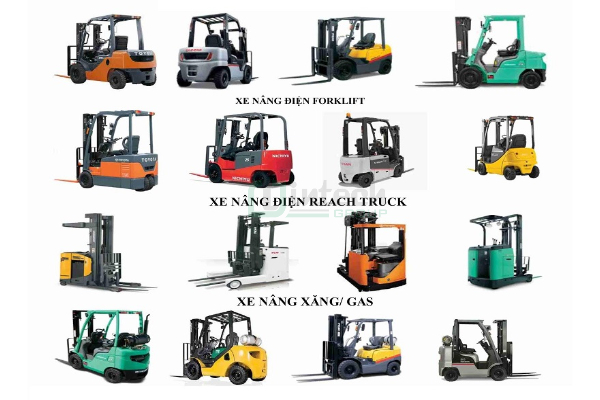
1. Forklift Classification by Load
Classification by load is the most common way to classify forklifts. This classification is based on the load that each forklift line can lift and lower. Forklift lines are often classified by load as follows:
- 1 ton, 2 ton, 3 ton forklifts: These lines are suitable for light work, lifting and lowering goods in small warehouses or working environments with limited space.
- 5 ton, 10 ton, 20 ton, 50 ton forklifts: These lines of trucks with large loads are used in large factories, seaports, or construction projects that require the ability to lift and lower heavy goods.
Each group of forklifts by load has many different types of vehicles such as: diesel forklifts, gas forklifts, electric forklifts, automatic forklifts, low-lift forklifts, stand-up forklifts, and sit-down forklifts, helping to meet the specific operating requirements in each specific field.
2. Classification of Forklifts by Engine and Fuel
Classifying Forklifts by Engine and Fuel is a very popular classification. Below are the types of fuel commonly used in forklifts:
- Diesel forklifts: Using internal combustion engines and diesel, this type of vehicle is very powerful, suitable for heavy work and outdoor conditions.
- Electric forklifts: Using electricity to operate, this type of vehicle is very environmentally friendly, suitable for work in closed warehouses, requiring low noise and emissions.
- Gas forklifts: Using gas (LPG), gas forklifts are highly efficient and easy to use in warehouse and factory conditions that require high flexibility and dynamism.
- Gas forklifts: Although less popular, some Forklift models still use gasoline for jobs that require fast moving speed and good load capacity.
Based on fuel type, forklifts can be divided into internal combustion engine forklifts (using oil and gas) and electric forklifts (using electric power).
3. Classification of Forklifts by Design and Control
Another classification method is based on the design and control of the vehicle. These Forklift lines are divided into the following groups:
- Low hand pallet trucks: This is a line of vehicles with manual controls directly attached to the wheels for steering. Low hand pallet trucks are usually only capable of lifting goods to a height of 10cm to 20cm. This type of vehicle is often used in small warehouses or narrow spaces.
- High hand pallet trucks: Similar to low hand pallet trucks, but high hand pallet trucks are capable of lifting goods to a height of several meters, suitable for loading and unloading goods in warehouses with high heights.
- 3-wheel forklift: This forklift has a compact design, easy to move in limited spaces, often used in small warehouses or working environments that require high flexibility.
- 4-wheel forklift: 4-wheel forklift has a larger load capacity and is more stable when moving on uneven terrain. This type of vehicle is suitable for lifting heavy goods or in large spaces.
- Reach Truck: Reach Truck is designed to move and lift goods in narrow areas with the ability to extend the forks far away, helping to reach pallets at high heights without having to move the forklift too much.
- Scissor forklift: This type of forklift is designed with a scissor lift system, allowing goods to be lifted very high and is often used in jobs that require high lifting heights.
- Stand-up and sit-down forklifts: This type of vehicle can be controlled by standing (suitable for narrow spaces) or sitting (suitable for jobs that require fast movement and easy control).
Applications of Forklifts in today's businesses
Forklifts are indispensable equipment in the manufacturing, transportation and logistics industries. From compact hand pallet trucks to heavy-duty forklifts, forklifts play an important role in lifting, moving goods and supporting business development.
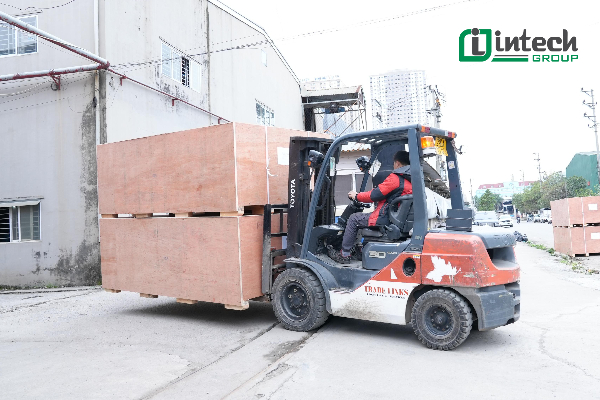
- Hand forklift: Mainly used in warehouses with flat floors, hand forklifts help move light goods at high speed and high mobility. This is a cost-effective choice, popular in small warehouses and environments that do not require too high lifting.
- Diesel forklift: Suitable for outdoor transportation, in manufacturing warehouses, construction and mining projects. Diesel forklifts have powerful engines, are not affected by weather conditions, have low investment costs and are easy to choose from different prices.
- Electric forklift: Using energy from batteries, electric forklifts are environmentally friendly, do not cause noise or emissions during operation. However, the usage time after each charge is only about 10-12 hours. Electric forklifts are often used in food, pharmaceutical and beverage factories, where cleanliness and safety are required.
- Stand-up forklift: Suitable for warehouses with limited space, stand-up forklift helps optimize space and easily move into hard-to-reach locations.
Forklifts, with a variety of product lines, contribute significantly to the long-term development of businesses in today's competitive economic environment. To learn more about Forklifts, AGV self-propelled vehicles and automation solutions for businesses, contact 0966.966.103 / 0966 966 032 for advice and support!
