


What is a Platform Model? Explore prominent Platform models
08-10-2025 232
Nowadays, the Platform technology model is becoming a prominent trend, widely applied by many businesses. From electronic devices, smartphones to software and hardware, Platform has proven its important role in many fields.
So what is Platform? And which models are leading? Let's explore with Intech Group through the article below.
1. Overview of Platform
1.1 What is Platform?
Platform is a popular term in the field of information technology, and is also known by many people in the digital age. In Vietnamese, Platform means "platform", referring to an important basic system, used to build and develop applications or technology.
Acting as a "foundation" in applications and software, Platform creates an optimal environment, helping programs operate effectively. Thanks to this platform, the development of technology becomes stronger than ever.

1.2 What is Platform Ecosystem?
Platform Ecosystem is a business model built on the interaction between organizations, developers and end users. This is a tightly knit network, often developed on a technology or service platform, including applications, products, services and other resources to serve a common goal.
The Platform ecosystem model not only brings cooperation opportunities for stakeholders but also creates superior value through sharing data, processes or technology. In this ecosystem, third parties and partners play a co-creating role, contributing to building the core platform to provide comprehensive solutions for end users.
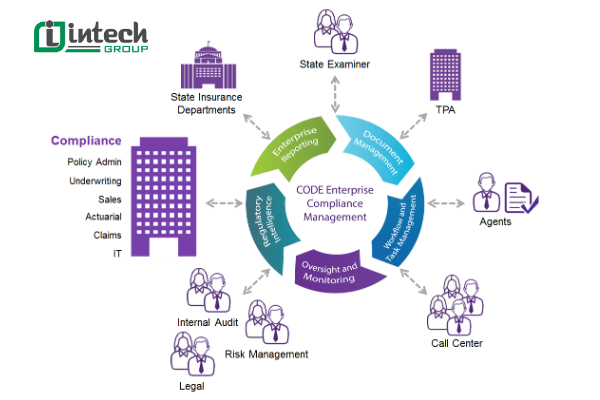
For example: A typical example is Apple's App Store. This is where application developers can create and distribute products to meet user needs. At the same time, they take advantage of the Apple ecosystem to optimize the end-user experience, creating sustainable value for all participants.
2. Advantages and disadvantages of the Platform Model
2.1 Outstanding advantages of the Platform model
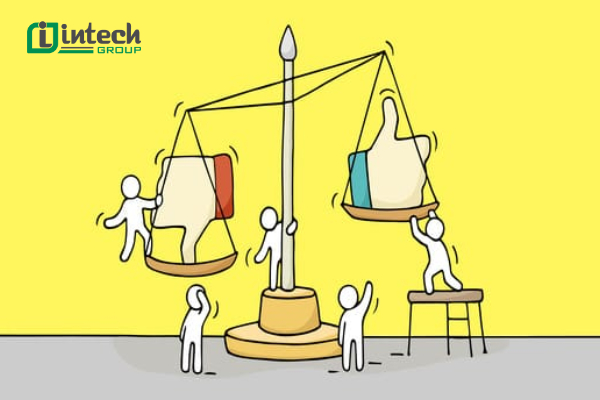
- Enhance interaction: The Platform model creates a connection environment between many participants, providing opportunities to create value through sharing data, ideas and promoting innovation.
- Build a strong community: Platform ecosystems often create vibrant communities, which are the foundation for promoting interaction and cooperation between members, helping to develop a more effective business environment.
- Flexibility and innovation: The Platform model allows participants to easily develop and deploy new solutions, opening up opportunities for continuous innovation and creating sustainable value.
- Easy to expand and integrate: Platform ecosystems are quickly scalable and easily integrate with third parties, creating strong flexibility and interoperability in different business environments.
2.2 Basic disadvantages of the Platform model
- Data management and security: Sharing and managing data in the Platform ecosystem can become complex, requiring businesses and users to pay more attention to security and privacy issues.
- Competition and control: The Platform model easily leads to fierce competition between participants, which can make it difficult to maintain fairness and transparency in operations.
- Dependence on third parties: Platform ecosystems often have a large dependence on third parties, and managing this relationship can pose risks to the sustainable development of the business.
- Risk of objection from end users: The Platform model can also face objection from participants and end users. To avoid this, businesses need to have a flexible strategy and a timely crisis resolution plan.
In short, the Platform model brings many opportunities but also comes with challenges. Businesses need to carefully consider the advantages and disadvantages to maximize the potential of this platform.
rewrite the following paragraphs to be SEO-standard, clear, and coherent
3. Differences between the Platform business model and the traditional business model
The Platform business model and the traditional business model have distinct differences, specifically as follows:
| Characteristics | Platform | Traditional Business Model |
| Market Access | Platforms create a platform that connects suppliers and users, thereby building communities and creating value for multiple participants. | The traditional model focuses on producing and delivering products or services in a linear manner, then bringing them to market through channels such as retail stores, agents or traditional advertising. |
| Creating Value for Customers | The Platform model focuses on developing customer experiences, while creating value through interactive networks, data sharing and continuous innovation. | The traditional model focuses on optimizing the production and delivery process, with little customer involvement in the value creation process. |
| Competitive Opportunities | Platforms create competitive opportunities through creative connections and interactions between participants. Platforms are constantly innovating to increase value for users. | The traditional model creates opportunities to compete mainly through product strategy, pricing, and promotional activities. |
In summary, the Platform business model provides flexibility and connectivity between participants, while the traditional model mainly focuses on the production and supply process of products. Businesses need to understand this difference to choose the model that suits their development strategy.
4. Explore prominent Platform models
4.1 Hardware Platform model
Hardware Platform is the basic structure used to build and operate applications, software and services on electronic devices and computers. This model includes essential physical components such as microprocessors, memory, connection ports, network cards, and other components. These are important factors that help computers or electronic devices operate and interact effectively with software.
4.2 Software Platform Model
A software platform is a collection of computer programs, applications, operating systems, and related data that a computer system uses to operate. Notable software platforms include:
- MS-DOS (x86), DR-DOS (x86), FreeDOS (x86)
- Microsoft Windows (x86, x64)
- Linux (x86, x64, PowerPC)
- Mac OS X (PowerPC, x86)
- OS/2, eComStation
- AmigaOS (m68k), AROS (x86, PowerPC)
4.3 Social Platform Model
Social Platform provides essential components for deploying and managing social media services. Some of the key features of this platform include:
- Creating websites and personal pages: The platform allows users to create websites or personal pages to share content and interact with other users.
- Complete social media services: Provides a complete environment with features such as content sharing, community connection and user privacy management.
- Markup language for native applications and APIs: This helps in developing and integrating third-party applications through application programming interfaces (APIs).
4.4 Cloud Computing Model
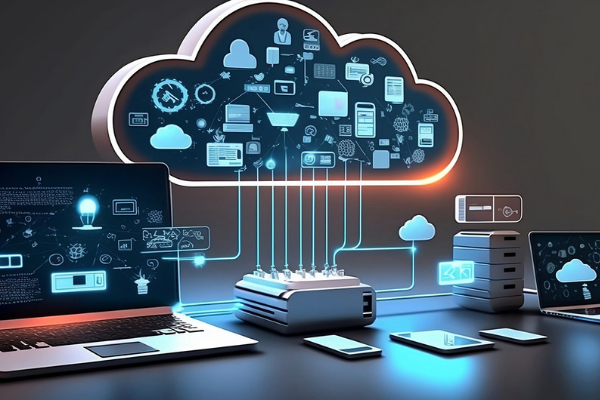
Cloud Computing model provides users with the ability to flexibly scale resources based on actual needs. From adjusting storage capacity to expanding the number of servers, everything can be changed quickly and easily. Services and applications in the Cloud Computing model are provided over the internet, allowing users to access resources at any time and from anywhere.
4.5 Business Service Platform (BSP) Model
Business Service Platform (BSP) is a business model in which a company provides services through a digital platform. BSPs often focus on building an ecosystem that provides many different services or products through a common interface or integrated system. For example:
Airbnb: A platform that allows users and businesses to rent and book rooms online, connecting people who need to rent rooms with renters through a mobile app or website.
Food delivery apps (e.g., DoorDash, Grubhub): These platforms allow users to order food online and connect with restaurants and delivery people.
4.6 Customer Data Platform (CDP) Model
A Customer Data Platform (CDP) is a digital system that collects and aggregates customer data from multiple sources. This data is then organized and analyzed to create useful information about customer behavior, estimates, and predictions. The goal of a CDP is to create comprehensive and accurate customer profiles, thereby helping businesses better understand their customers and optimize customer experiences and marketing strategies.
4.7 Digital Marketing Platform Model
A Digital Marketing Platform is a system or software used to manage, deploy, and track digital marketing campaigns. This platform provides tools for marketers to create, manage, and track online advertising campaigns, and promote brands and content across digital channels such as websites, social media, email, and other online advertising platforms.
4.7 Customer Data Platform (CDP) Model
Customer Data Platform (CDP) is a digital system that allows the collection and aggregation of customer data from many different sources. This data is then organized and analyzed to create useful information about customer behavior, estimates and predictions. The goal of CDP is to create comprehensive and accurate customer profiles, thereby helping businesses better understand customers and optimize customer experiences and marketing strategies.
5. The trend of applying comprehensive management and operation platforms in technology-age businesses
5.1 The pain of data fragmentation
In the past, each department in a business often used separate software to handle specific tasks, such as accounting software, human resource software or order management. However, in reality, departments do not operate independently but always need to exchange, collaborate and share data with each other.
For example, when the production department needs to order raw materials, it will have to send a proposal to the purchasing department, then work with accounting and finance to get the budget approved. Using many separate software makes data fragmented, reduces the ability to connect between departments, causing "bottlenecks" and hidden costs in the operation process.
5.2 All-in-One total management solution
To solve this problem, developers have created a comprehensive integrated solution by combining software into a single system that uses a common database. Users only need to log in once to access all features. This is the operating principle of the ERP (Enterprise Resource Planning) system.
ERP integrates many applications into modules in a single software, helping to automate the entire business process, from human resource management, finance to production. This solution optimizes workflow speed, minimizes data errors, and improves operational efficiency.

5.3 The emergence of comprehensive management platforms
In modern life, we witness the strong development of technology "giants" and "super apps" such as Grab, Microsoft, Google, and Apple, along with their increasingly diverse ecosystems. These platforms are not simply integrated solutions, but Platforms with outstanding customization and expansion capabilities.
In the field of business management, this trend is also leading. Discrete software or All-in-One systems are gradually becoming obsolete. Instead, modern businesses are turning to using comprehensive and unified management platforms.
Instead of trying to overcome the shortcomings of All-in-One software, comprehensive management platforms provide solutions that are both independent and integrated on a shared database. This meets two important criteria: efficiency and unity in business management.
Conclusion
A good governance platform should be like the way a business operates: stable, transparent, flexible, and still based on the fundamentals. No business relies on just one department to do everything, nor does there exist a “one-stop” software that can do everything well.
Choosing the right technology solution to accompany your business in the long term is a strategic decision. With the future growth orientation – which every business is aiming for – a comprehensive governance platform is the optimal solution to ensure sustainable success.
