


What is a Purchase Order? Common PO forms today
13-10-2025 177
Purchase Order (PO) has become a familiar term in the field of purchasing and selling products and services. So what is Purchase Order, and why should businesses care about it? Let’s learn comprehensively about the definition, meaning and how to use PO to optimize business operations.
What is a Purchase Order?
A Purchase Order (PO) is a commercial document sent by a buyer to a supplier to confirm the purchase of goods or services. It is a legally binding contract that serves as a formal sales agreement between the two parties.Typically, a PO will include important information such as:
- Type of goods or services.
- Quantity to be purchased.
- Price.
- Delivery time.
- Payment terms.

PO not only helps clarify the agreements between the two parties but also protects the interests of both the buyer and seller during the transaction process.
The meaning of Purchase Order
Purchase Order is not only an administrative document but also brings many practical benefits, ensuring transparency and efficiency in purchasing and selling activities. Below are the specific meanings of PO for each party:
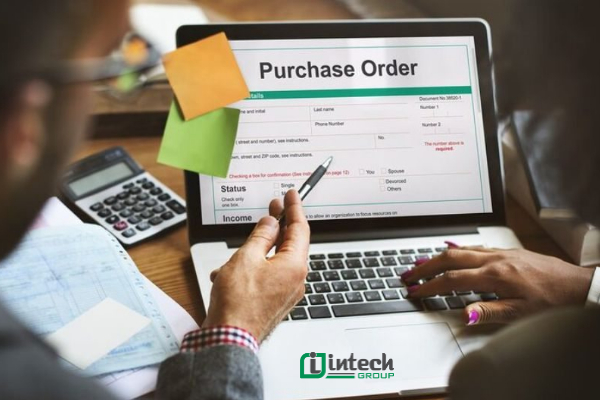
For buyers
- Using PO helps buyers manage transactions easily and avoid potential risks. Some outstanding benefits:
- Limit disputes: PO acts as a legal document, helping parties avoid misunderstandings or conflicts about agreement terms.
- Easy management: Information such as price, quantity, delivery time are clearly stated, helping buyers track and check orders effectively.
- Optimize suppliers: Based on previous POs, buyers can compare, evaluate and choose the most suitable supplier.
- Quality control: PO is a tool to compare received goods with the original requirements, helping to ensure that the supplier meets the agreement.
For sellers
- For suppliers, PO not only helps the buying and selling process to be transparent but also brings important legal values:
- Protecting rights: PO is specific evidence when disputes arise, especially in cases where the buyer does not pay or refuses to receive the goods.
- Demonstrating professionalism: Using PO helps suppliers enhance their reputation and build trust from customers.
- Easy order management: PO helps sellers plan production and delivery accurately, ensuring that they meet the requirements of customers.
Basic content of Purchase Order
Purchase Order (PO) is an important legal document, confirming the purchase and sale transaction between the buyer and the supplier. Once approved and signed, PO becomes a binding contract, ensuring the responsibilities of both parties according to the agreed terms. The basic content of a Purchase Order usually includes:
.jpg)
Main components
- Quantity: Specifies the quantity of goods or services requested by the buyer.
- Unit price: Specifies the price for each unit of product or service.
- Delivery terms: Includes location, time, and method of delivery.
- Packaging: Information on packaging type, packaging method to ensure product quality.
- Payment method: Specifies the form, time limit, and payment terms.
- Deadline: Deadline by which the seller must deliver the goods or provide the service.
- Commitment: Specifies the responsibilities and rights of both parties in fulfilling the order.
Additional information (customized by the business)
Depending on the specifics of the business, the Purchase Order may include more detailed information:
- Name and date of creation: Helps to easily track and compare orders.
- Buyer and seller information: Clearly state the company name, address, contact information.
- Description of goods/services: Specifically about product code, type of goods, model.
- Contract code: If the PO is related to a previously signed contract.
- Special instructions: Such as discounts, free or special requests.
- Signatures of both parties: Increase legality and confirm the agreement.
Purchase Order is not only a management tool but also ensures transparency in transactions, minimizing unnecessary risks.
Current popular types of Purchase Orders
Depending on the needs and scale of the business, Purchase Orders are divided into many types to suit each specific situation:
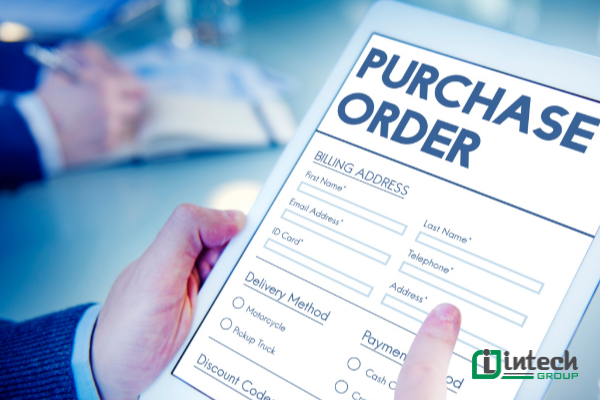
Standard Purchase Order (SPO)
This is the most common type of PO, used in normal transactions. Standard Purchase Order includes:
- Quantity of products/services.
- Price.
- Terms of payment and delivery.
This type of PO is often applied to specific orders, not recurring.
Blanket Purchase Order (BPO)
Blanket Purchase Order is used when a business wants to purchase goods for a long period of time with fixed conditions. Instead of creating many individual POs, BPO focuses on stipulating terms such as:
- Total quantity.
- Fixed price.
- Flexible delivery time.
This type is suitable for recurring purchases or large quantity orders over a long period of time.
Contract Purchase Order (CPO)
This type of PO is associated with a long-term contract between two parties, used when the business signs detailed agreements on:
- Price.
- Delivery time.
- Product quality.
- Payment terms.
CPO is a tool to help ensure that commitments are met in large or long-term contracts.
Planned Purchase Order (PPO)
Planned Purchase Order is designed to meet future purchasing needs, often based on a specific production or project plan. The PPO is special in that:
- Does not require an exact delivery date.
- Determines the expected quantity and time.
- PPO is often used when businesses need to forecast supplies.
Service Purchase Order (SPO)
This is a type of PO specifically for services, not for physical goods. Service Purchase Order includes:
- Detailed information about the requested service.
- Time of service provision.
- Costs and related terms.
This type of PO is often used in industries such as consulting, maintenance, or outsourcing.
Effective Purchase Order Usage Process
To maximize the benefits of Purchase Order (PO), businesses need to build a professional process from creation, approval to execution and storage. This process helps increase transparency and minimize business risks.
With the development of technology, integrating PO into ERP systems or procurement management software not only automates the process but also improves accuracy and efficiency in business operations. Steps to use Purchase Order correctly:
Step 1: Identify purchasing needs
The responsible staff (usually in the purchasing, accounting, or project management department) identifies purchasing needs. They will create a purchase request with full information about the product, quantity, unit price and any special requirements.
Step 2: Approve the purchase request
The purchase request is sent to the relevant departments for confirmation and approval. The approval process is based on the hierarchy and authority established in the organization.
Step 3: Create Purchase Order
After approval, an official PO is created. The PO includes important information such as: PO number, creation date, buyer and seller information, product/service details, quantity, order value, payment and delivery terms.
Step 4: Review and approve the PO
The PO is sent to relevant departments such as purchasing or accounting for review and approval before being sent to the supplier.
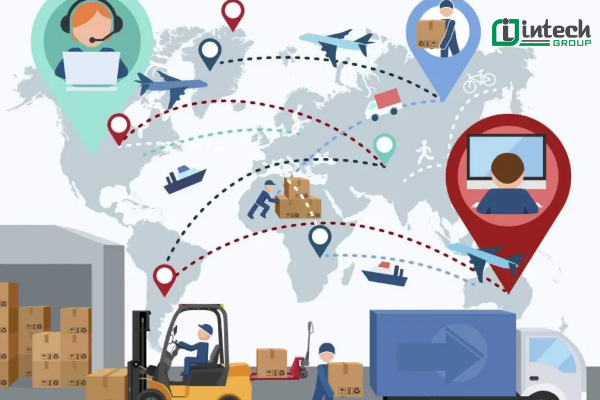
Step 5: Send PO to Supplier
After being approved, the PO will be sent to the supplier for them to update information and confirm the terms.
Step 6: Supplier confirms the PO
The supplier reviews and confirms the terms such as price, delivery time, payment terms, ensuring both parties agree on the contract.
Step 7: Implement delivery/service
The supplier delivers or provides services as required by the PO. The recipient checks and confirms the completeness and quality of the goods/services.
Step 8: Process payment
The accounting department makes payment to the supplier based on the information in the PO, along with the goods/service acceptance report.
The standard PO usage process not only ensures transparent transactions but also minimizes risks and improves operational efficiency. When applied properly, PO becomes an important management tool, helping businesses better control all purchasing activities and optimize resources.
How to manage Purchase Orders effectively?
To manage Purchase Orders (POs) effectively, businesses not only need to understand the definition and creation process but also need to apply professional management solutions. First, supplier profile management needs to be done strictly, ensuring clear and accessible data. This helps businesses easily select suitable suppliers and optimize purchasing activities.
Classifying products and services according to needs and budget is an important step to control costs and finances. Businesses should divide purchases into specific items to monitor and adjust spending plans appropriately.
Implementing a purchase approval system plays a key role in controlling costs and ensuring order quality. A clear approval process helps prevent errors such as duplicate or substandard orders.
It is also important to set up inspection items during PO processing, ensuring product quality and accurate data. This helps minimize errors related to quantity, price, tax, shipping and contract terms.
In addition, properly storing purchase records not only limits confusion and loss but also ensures information security. Businesses also need to build a clear order cancellation process, including an official document with relevant information and approval signatures.
To optimize time and increase efficiency, using modern purchasing management software is a smart choice. These tools help businesses automate processes, reduce manual workload and improve overall performance.
The difference between Purchase Order, Sale Contract and Proforma Invoice

In sales transactions, Purchase Order (PO), Sale Contract (SC) and Proforma Invoice (PI) are three important types of documents, each with its own characteristics and roles.
Purchase Order (PO) is an order sent by the buyer to the supplier (seller), detailing information such as quantity, price and delivery terms. PO is a confirmation of the transaction but has lower legal value than PI and SC.
Proforma Invoice (PI) is a draft invoice created by the supplier when the transaction begins. PI includes detailed information about the goods, quantity, unit price, delivery terms, and other conditions. However, PI is not an official invoice for payment and does not have the same legal value as a sales contract.
Sale Contract (SC) is an official sales contract between two parties, with the highest legal value. SC records specific agreements on prices, goods, warranty conditions, payment and related terms. This is the basis for handling disputes if they arise.
In short, PO is the initial document confirming the order, PI is for reference and SC is the most important legal document in the transaction. Businesses need to clearly understand the role of each type of document to ensure the transaction is transparent, accurate and effective.
Purchase Order is an essential tool, contributing significantly to the success of every commercial transaction. Using PO properly not only protects rights but also helps businesses build trust and develop long-term relationships with partners. Take advantage of PO as a strategy to optimize efficiency in your business operations!
See more:
