


What is a sensor?
08-10-2025 192
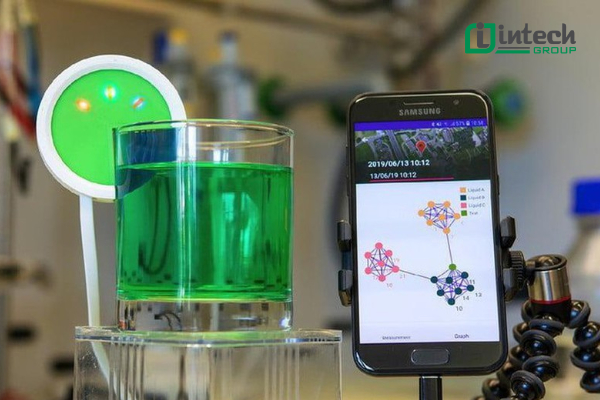
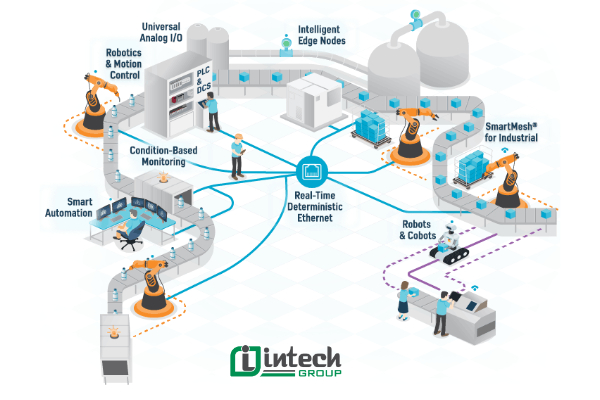
In specific fields such as industry, transportation, or communication, the use of sensors has become widespread. Sensor devices play an important role in intelligent and automated systems, helping to reduce risks, increase efficiency, and ensure operational accuracy.
What is a sensor?
In automation systems, sensors play an irreplaceable role, ensuring high efficiency and accuracy in operation. To increase durability and protect equipment, most of today's sensors are designed with protective housings, forming integrated probes or receivers.
Why are sensors important?
If you need to add more details such as specific roles, classifications or applications, you can request to make the article more complete.
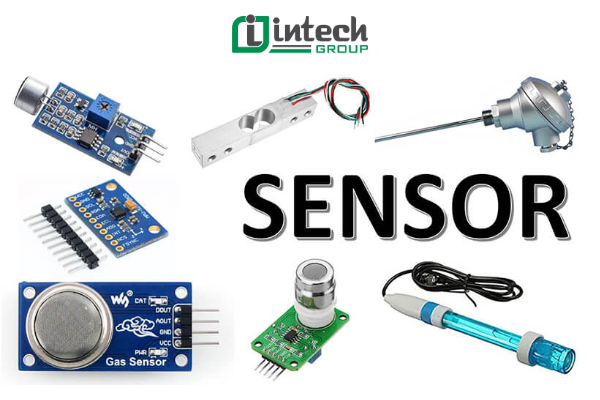
General structure of sensors
General structure of sensors
To meet the diverse needs of users, sensors are designed in many different types. However, most types of sensors have a common structure, ensuring effective operation. So what does the general structure of a sensor include?
Smart sensors are usually composed of:
- Sensor element: The main component responsible for detecting physical signals.
- Electrical circuit: Systematically arranged, ensuring that signals are processed and transmitted accurately.
- Protective housing: Designed to protect internal elements from environmental impacts.
The signals received from the sensor element will be converted into electrical signals (according to current or voltage) and sent to the controller, ensuring compatibility and operational efficiency.
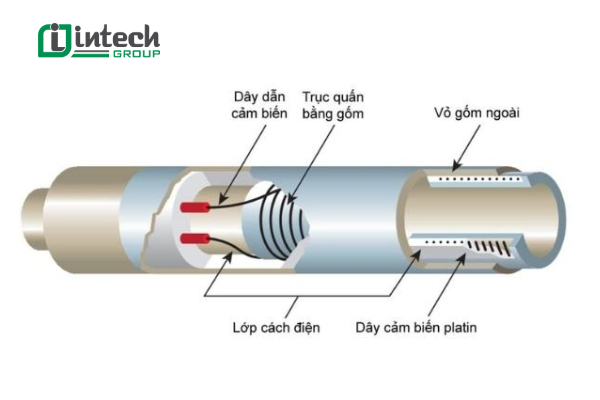
Sensor operating principle
Sensors need a power source to operate normally. This power source is usually provided by measuring devices or natural energy sources such as sunlight, wind, depending on the type of sensor.
Basic operating principle of the sensor:
- Sensor module: Placed near the object to be tested.
- Emitting magnetic field: The sensor element creates a small magnetic field, capable of penetrating the surface of the object without affecting it.
- Receiving signal: The magnetic field returns to the sensor and is received through the sensor element.
- Signal processing: The received signals will be transmitted to the processor for further analysis and control.
Understanding the structure and operating principle of the sensor helps users choose and use the device optimally, ensuring high performance and meeting strict requirements in many fields such as industry, transportation or automation.
Types of Sensors Today
Sensors can be classified based on their operating principle, input data or application scope. Below are three main groups of sensors, classified by operating principle:
1. Physical Sensors
Physical sensors are made based on the physical properties of a specific variable component, such as temperature, pressure or humidity. This type of sensor works based on the physical properties of the functional material to collect and process signals.
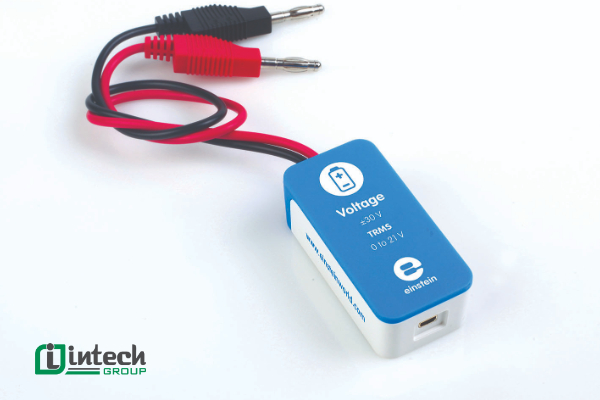
2. Chemical Sensors
Chemical sensors operate through electrochemical reactions, allowing the conversion of information related to the composition or concentration of inorganic and organic compounds into electrical signals. This type of sensor is widely used in the chemical and environmental analysis industries.
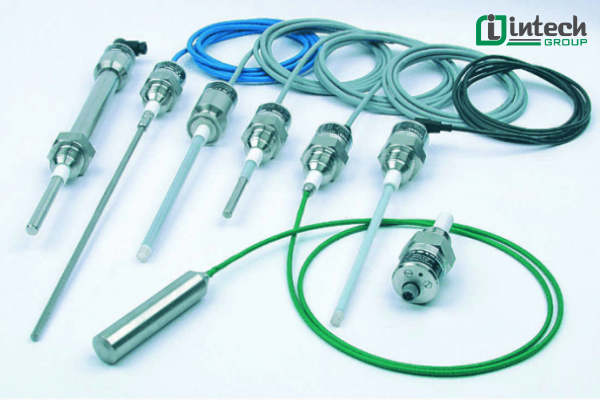
3. Biological Sensors
Biological sensors use biologically active chemicals to detect and measure biochemical compounds. This type of sensor is popular in the medical field, used to test biological parameters such as glucose, enzymes, or proteins.
What is the role of sensors?
Sensors play an important role in many fields from industry, medicine, transportation to electronics. Below are the main roles of sensor devices:
1. Data acquisition
Sensors are capable of collecting information from the surrounding environment, such as light, motion, sound, temperature, or pressure.
2. Measurement and monitoring
Sensors help measure physical and chemical parameters, support users to monitor and analyze more easily, ensuring accurate data.
3. System adjustment
Data obtained from sensors are used to adjust the system, ensuring stable and efficient operation of equipment under all operating conditions.
Sensors are not only an indispensable part of automation systems but also contribute to promoting efficiency, accuracy and safety in production as well as life.

Some applications of current sensors
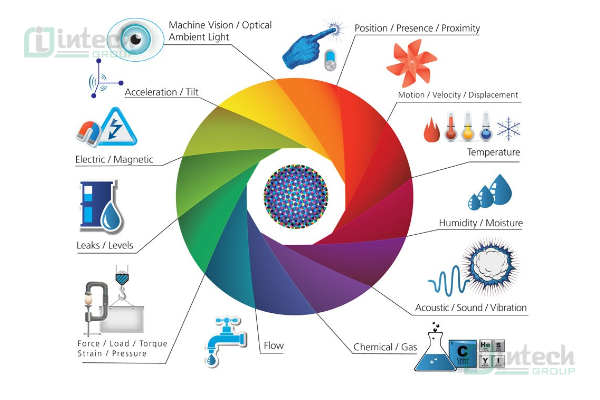
Sensors are designed with many different types to meet diverse needs in each field. Each type of sensor has its own application, helping to improve efficiency and accuracy in operation. Below are some common types of sensors and their specific applications.
1. Image and vision sensors
Image sensors are a solution that helps users quickly detect the presence of colors or objects within the field of view. The collected data will be converted into display images, supporting visual monitoring and inspection.
Technical specifications to note:
- Resolution of image sensors.
- Ability to apply in specific environments.
- Supporting features such as signal converters.
For example: In the automotive industry, image sensors are used to check paint defects on the surface of vehicles or detect misaligned assembly parts.
2. Temperature sensor
The temperature sensor is made of a probe, which helps detect and measure the thermal parameters of the environment, then transmits the signal to the measuring device.
Technical parameters to note:
- Suitable temperature measuring range.
- Probe diameter and length.
For example: In the food processing industry, temperature sensors are used to monitor and control the temperature in the oven, ensuring that the processing process meets food safety standards.
3. Acceleration sensor
The acceleration sensor converts the vibration or physical acceleration of an object into an electrical signal. This type of sensor is often integrated in vibration meters and data collectors.
Technical parameters to note:
- Maximum measured value.
- Acceleration coefficient.
- Number of measuring axes (1, 2 or 3 axes).
For example: In the construction industry, accelerometers are used to measure the vibration of bridges and roads, thereby detecting the risk of structural damage.
4. Radiation sensors
Radiation sensors are capable of detecting and measuring the density of radiation particles such as Alpha, Beta, Gamma. This data is transferred to the radiation meter for analysis and warnings when necessary.
Technical specifications to note:
- Minimum and maximum radiation energy that the sensor can detect.
- Sensor sensitivity.
For example: In the nuclear energy industry, radiation sensors are used to monitor radiation levels at power plants, ensuring the safety of workers and the environment.
5. Proximity sensors
Proximity sensors are widely used sensors thanks to their ability to detect objects without direct contact. This device operates within a limited range, from a few millimeters to a maximum of several centimeters. When a foreign object approaches, the sensor will generate a signal and send information to the controller.
Technical specifications to note:
- Maximum detection distance.
- Operating temperature (minimum and maximum).
- Sensor diameter and length.
For example, in the automotive industry, proximity sensors are used to check the assembly position of small parts without direct contact, which increases accuracy and protects the material surface.
6. Pressure Sensor
Pressure sensors are designed to detect force on a certain area in a liquid or gas environment. After collecting the data, the signal will be transmitted to the control device for analysis and processing.
Technical parameters to note:
- Working pressure (minimum and maximum limits).
- Measurement accuracy.
- Additional functions depend on the usage environment.
For example, pressure sensors are used in heavy industry to monitor the pressure of steam tanks, air compressors, or check tire pressure to ensure safe operation.
7. Position Sensor
Position sensors, also known as position transducers, are capable of detecting the location of devices such as valves, doors, or machine components. The device operates through two main methods: measuring reference angles or measuring linear positions.
Technical parameters to note:
- Sensor type.
- Measurement range.
- Specific features of the sensor.
For example: In the automated manufacturing industry, position sensors are used to accurately position the robot arm, ensuring that the parts are assembled in the correct position and at the correct angle.
8. Photoelectric sensors
Photoelectric sensors are devices that sense objects, colors, cleanliness, and positions by emitting light rays. When the light rays are blocked, the sensor will send a signal to the control center for processing.
Technical parameters to note:
- Type of light emitted (infrared, laser, LED).
- Sensor range and sensitivity.
- Recognition accuracy.
For example: In the packaging industry, photoelectric sensors are used to check the presence of products on the conveyor belt or detect printing errors on packaging, ensuring that the products meet quality standards.
9. Particle Sensor
Particle sensors are capable of detecting dust in the air, providing a signal to the control device when the dust concentration exceeds the allowable level. Technical parameters to note include:
- Probe: The sensor element responsible for detecting dust.
- Minimum particle size: This feature determines the size of dust particles that the sensor can detect.
- Temperature limit: The operating temperature range of the sensor.
- Sample mass: The amount of dust required for the sensor to detect.
- Response time: The time it takes for the sensor to process and respond to the signal.
For example, particle sensors are widely used in environments such as warehouses, construction sites or manufacturing plants, where fine dust and material particles can affect health and work efficiency.
10. Motion sensor
Motion sensors are capable of detecting the movement of objects within a certain range. Motion sensor systems are currently mainly used to automatically open doors when people or objects approach.
Technical specifications to note:
- Expected application: Field of sensor use (automatic door opening, security monitoring, etc.).
- Sensor type: Infrared, ultrasonic, or radar sensor.
- Function: Automatic door opening, security monitoring, etc.
- Minimum and maximum speed that can be sensed: The speed range that the sensor can effectively detect.
For example: Motion sensor systems in supermarkets or shopping malls help automatically open the door when people approach, providing convenience and energy savings.
11. Metal sensor
Metal sensors are used to detect metals in environments such as food, processing plants, or security check areas. Metal detector systems are also often installed at airports or security facilities.
Technical specifications to note:
- Application: Used in the food industry, security checks, etc.
- Operating range: The distance at which the sensor can detect metal.
- Required features: Ability to detect different types of metals, sensitivity, etc.
For example: In the food industry, metal sensors help detect foreign metal pieces during processing, thereby ensuring food safety and hygiene.
12. Level sensor
Level sensors are used to determine the height of liquids, solids or gases in containers. The function of the level sensor is to ensure that the material has reached the required threshold, helping to regulate the automation process in industries.
For example: Level sensors are used in chemical tanks, monitoring water levels in reservoirs, or in oil tanks in factories. This sensor helps stop the liquid supply when the level has reached the required level.
13. Leak sensor
Leak sensors are capable of detecting leaks of liquids such as water, oil, or gases such as gas. This device helps identify possible leak locations such as joints, welds, or cracks in the pipeline, thereby preventing unwanted incidents.
Technical specifications to note:
- Sensor type: Gas sensor, water sensor, oil sensor, etc.
- Sensitivity: Leak detection level at the smallest level.
- Alarm feature: When a leak is detected, the sensor will send an alarm signal.
For example: Leak sensors are often used in oil and gas pipeline systems, or in chemical plants to prevent environmental incidents and ensure worker safety.
14. Leak sensors
Humidity sensors are used to measure the humidity in the air, helping to monitor and maintain a stable humidity environment. When the sensor records a change in humidity, the signal will be transmitted to the humidity measuring device to provide information to the user. This sensor is often used in air conditioning systems, cold storage, and in the agricultural industry to monitor environmental conditions for crops.
For example, humidity sensors are used in agricultural warehouses to keep the humidity at the right level, avoiding the growth of mold and bacteria.
15. Gas and chemical sensors
Gas and chemical sensors play an important role in ensuring safety in industrial environments, homes or areas with chemicals. These devices are capable of detecting toxic gases such as gas, flammable gas, or toxic chemicals, and send warning signals when detecting leaks. This helps protect users and prevent dangerous incidents.
For example, gas sensors are used in chemical plants to detect gas leaks, while gas sensors can be installed in households or restaurants to warn of gas leaks.
16. Force sensors
Force sensors are devices that measure gravity, torque and load in industrial applications. Force sensors convert impact force into electrical signals, helping to monitor and regulate production processes. These sensors are commonly used in force gauges, the food processing industry, scientific research and in product quality control systems.
For example, force sensors are used in tensile testing devices in production lines, or in materials testing devices in research laboratories.
17. Flow Sensors
Flow sensors help determine the speed and flow of liquids or gases in industrial systems. They provide important data to help control the flow and maintain the operating efficiency of equipment. Important specifications to consider when selecting a flow sensor include: sensor function, maximum flow, working pressure, and temperature limits.
For example, flow sensors are used in wastewater treatment systems, in the chemical industry to monitor the flow of liquids, or in machinery using lubricants.
18. Flaw Sensors
Flaw sensors are used to detect defects on the surface of materials, such as cracks, dents, or uneven points. These sensors can be used on a variety of materials such as rubber, steel, plastic, and corroded materials. They help improve product quality and detect problems before serious incidents occur.
For example: Flaw sensors are used in steel or plastic manufacturing industries to check the surface of products, ensuring that there are no cracks or defects that affect the quality.
19. Flame sensors
Flame sensors are designed to detect and monitor the level of flames in industrial applications, protecting the safety of people and equipment. These devices can detect flames from a distance and send warning signals when they detect flames, helping to minimize damage caused by fire and explosion.
For example: Flame sensors are used in fire protection systems, especially in petroleum depots or in areas using industrial gas.
20. Electrical sensors
Electrical sensors are capable of measuring electrical indicators such as current and voltage, helping to monitor the operating status of electrical equipment. They provide signals to monitoring systems or measuring devices, helping to protect the system from electrical failures.
For example, electrical sensors are used in pumps, heaters, and electrical equipment in smart buildings for efficient monitoring and control.
21. Contact Sensors
Contact sensors work based on physical contact between a device and an object, detecting changes when there is contact. These sensors are often used in alarm systems or in applications that need to determine the status of a device, such as a door, window, or fingerprint lock.
For example, contact sensors are installed in door, window, or door alarm systems, helping to protect the security of a home or business.
22. Non-contact Sensors
Non-contact sensors work without physical contact with the object being measured. These sensors can use ultrasonic, infrared, or laser waves to detect and measure factors such as speed, vibration, noise, or deformation.
For example, non-contact sensors are used in applications such as monitoring vehicle speed on the road, measuring vibrations in industrial equipment, or measuring noise in public areas.
Things to keep in mind when choosing a sensor
When choosing a sensor, in addition to understanding the application of each type, users need to consider some important factors to ensure the choice is suitable for the intended use. Below are the criteria to keep in mind when choosing a sensor:
Sensor Sensitivity
Sensitivity is an important factor when selecting a sensor. Users need to consider the minimum data that the sensor can collect. Make sure that the sensor can detect weak signals but accurately.
Linearity
A sensor with a linearity level makes it easy to determine the range of values that are transformed with a fixed coefficient of variation. This is especially important in applications that require high accuracy in the measurement process.
Signal Noise
When choosing a sensor, prioritize sensors with low noise. Quality sensors are often able to minimize the interference of signal noise, providing more accurate results under all conditions.
Technical Error
Selecting a sensor based on technical error is very important. The error of the sensor is determined by the noise and sensitivity of the device. Choosing a sensor with a small error will help improve the accuracy of the measurements.
Drift, hysteresis and reliability
Drift and hysteresis can affect the performance of sensors in applications that require fast response times. Ensure that the sensor is highly reliable, ensuring stable operation throughout use.
Conclusion
Thus, choosing the right sensor not only depends on the purpose of use but also needs to pay attention to technical factors such as sensitivity, error, noise, reliability and hysteresis. Understanding these factors will help you easily find quality products that meet your needs.
If you are looking for a reputable supplier and installer of motion sensor systems with competitive prices, please contact Intech Group immediately for detailed advice and support in choosing the most suitable product.
