


What is a warehouse? The function of a warehouse in Logistics and things to know
06-10-2025 351
Warehousing, also known as warehouse, is an essential element in the supply chain process, taking on the role of storing and managing goods to optimize costs and time in logistics operations.
So, what is a warehouse? What is the function of a warehouse in logistics? This article will help you explore in detail the important functions of a warehouse, from storage, preservation to supporting the effective distribution of goods. In addition, you will learn about popular types of warehouses, factors affecting operating costs and professional warehouse solutions provided by Intech Group.
What is a warehouse? Concept and important role in logistics
Warehousing is a familiar term in the field of logistics, but not everyone clearly understands its definition and importance. A warehouse is a place to store goods for a certain period of time, from production until they are transported to consumers. The main role of a warehouse is to ensure that goods are safely stored, avoid damage, loss and are always ready for transportation when needed.
A warehouse acts as a "coordination center" in the supply chain, helping to ensure that goods are supplied at the right time and place. At the same time, it also helps balance supply and demand, limiting risks arising from sudden changes in demand or supply.
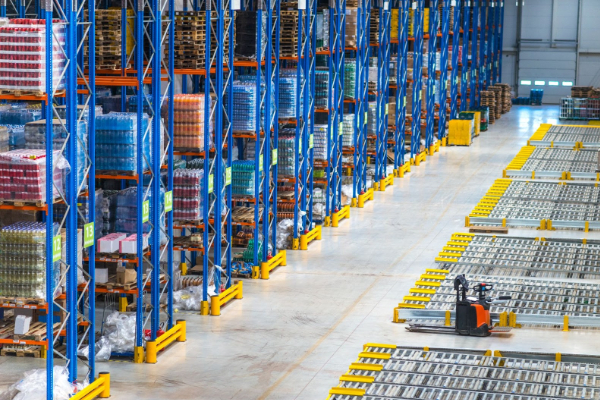
Functions of warehouses in logistics
Warehouses play an essential role in maintaining the efficiency of logistics and supply chain operations. Below are the main functions of warehouses that businesses need to understand:
1. Storage and preservation of goods
The most basic function of a warehouse is to store and preserve goods. Here, goods are arranged and preserved according to specific standards to ensure quality, avoiding problems such as damage and loss. For special items such as food, pharmaceuticals or chemicals, warehouses need to meet special storage conditions such as appropriate temperature and humidity to maintain product quality.
2. Coordination of goods
In addition to storage, warehouses also play an important role in coordinating goods. Warehouses are not only a place to store but also a connection point to help transport goods smoothly from the place of production to the points of consumption. To do this, the warehouse system needs to be tightly managed through activities such as order receiving, sorting, arranging and monitoring the transportation process.
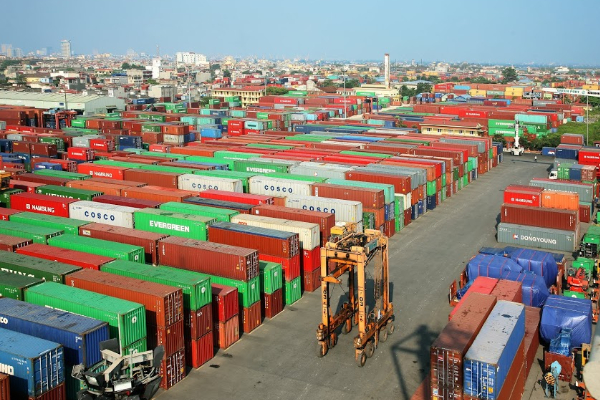
3. Goods Management
The goods management function is one of the core elements of warehousing. Warehouse managers need to strictly control import, export, and inventory activities. Accurately tracking the quantity of goods will help avoid excess, shortage, loss, and support effective operational decisions.
4. Goods Handling
The warehouse also performs the function of handling goods before shipping. Tasks such as packaging, labeling, sorting, or arranging goods on shelves are all performed here. In some cases, the warehouse also loads goods onto transport vehicles to ensure delivery progress.
Types of warehouses in Logistics
In the field of logistics, warehouse systems are designed in a variety of ways to meet different storage and operational needs. Below are some common types of warehouses:
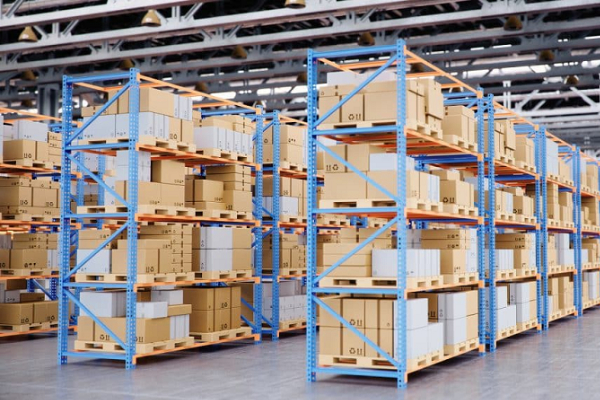
1. Shared warehouse
Shared warehouse is a type of warehouse used to store goods from many different businesses. Thanks to sharing space, shared warehouse helps businesses optimize storage costs, especially for small businesses or shipments with small quantities. This is a popular choice in supply chains to increase operational efficiency and save costs.
2. CFS (Container Freight Station) warehouse
CFS (Container Freight Station) warehouse is a place to gather, store and arrange goods before packing them into containers for transport. This type of warehouse is often used in import and export activities, ensuring that goods are prepared and packaged according to standards before international shipping.
3. Bonded warehouse
Bonded warehouse is a place to store imported goods that have not completed customs procedures. Here, businesses can store, classify or process goods while waiting for the completion of legal procedures. Bonded warehouses are often located near seaports, airports or border areas to facilitate the delivery of goods.
4. Cold storage
Cold storage is designed to store goods that require special storage conditions, usually at low temperatures. Common products in cold storage include frozen foods, pharmaceuticals, chemicals, and products that need to maintain freshness. This is an important type of warehouse in the food and medical industries, ensuring the quality of goods during the storage process.
Types of warehouse costs in Logistics
Warehouse management is not only related to the control of goods but also requires effective cost management. Below are the main types of costs in warehouse operations:
1. Management costs
Management costs include expenses related to the management and operation of the warehouse. These costs include employee salaries, costs for the warehouse management system (WMS), and costs for maintaining facilities. This is a basic cost to ensure the warehouse operates smoothly and efficiently.
2. Maintenance costs
Maintenance costs arise from maintaining and upgrading warehouse facilities. These costs may include the cost of repairing and maintaining machinery, equipment, refrigeration systems (for cold storage), and other infrastructure. Regular maintenance helps prolong the life of the warehouse and ensure uninterrupted operations.
3. Insurance costs
Insurance costs are used to minimize risks from incidents such as damage, loss or accidents that occur during the storage of goods. This is an important investment to help businesses protect assets and maintain peace of mind in business operations.
Choosing the right type of warehouse and effectively managing warehouse costs will help businesses optimize the supply chain, thereby improving competitiveness in the market
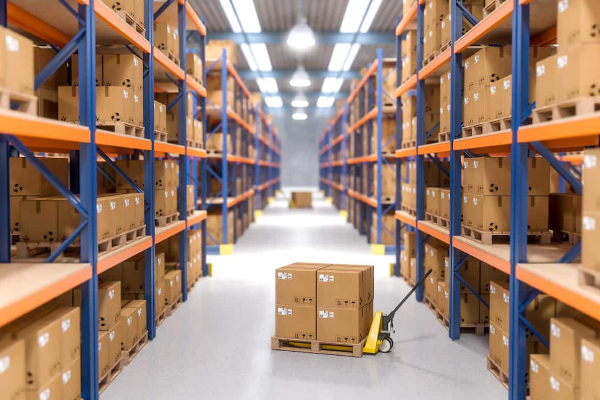
Important notes when managing warehouses
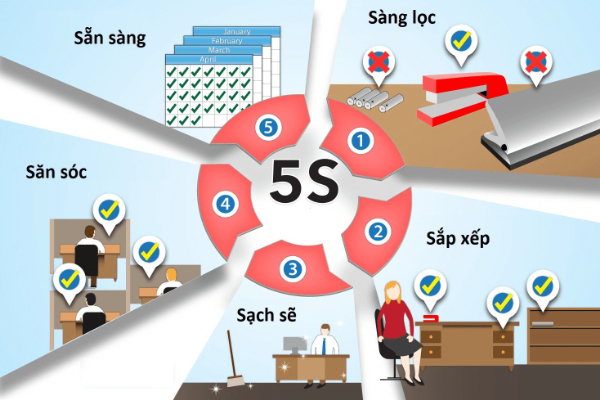
Warehouse management is a job that requires meticulousness, precision and the ability to respond flexibly. 5S in warehouse management means Sort, Arrange, Clean, Care, Ready. This is a method applied in Japan with the goal of limiting waste in production as well as maintaining a scientific, safe and efficient working environment. To ensure efficiency, businesses need to note the following points:
1. Classify and arrange goods reasonably
Classifying goods by group, size, nature or priority level will help to easily control and retrieve when needed. Using shelf systems, code labels, or barcode technology will help optimize this process.
2. Ensure safety, prevent fire and explosion
Safety in warehouses, especially warehouses containing flammable and explosive goods such as chemicals or gas, must always be put first. Enterprises need to fully equip fire prevention and fighting systems and conduct periodic training sessions for employees on how to handle emergency situations.
3. Handle arising situations quickly
Risks such as theft, termites, and damage to goods can occur at any time. Therefore, it is necessary to develop a response plan and conduct periodic inspections to minimize losses and promptly handle arising problems.
4. Human resource management in the warehouse
Human resources are the core factor determining the effectiveness of warehouse management. Enterprises need to ensure that the staff is sufficient in number and professionally trained. In addition, it is necessary to use technology to support employees, minimize errors and improve work efficiency.
Many businesses now choose to hire warehouse services from reputable units to optimize logistics processes, ensure efficiency and reduce management burden.
Intech Group Smart Warehouse Services – Cost-Effective Solutions
Intech Group offers a range of professional and efficient smart warehouse services, helping businesses optimize costs and save time. Our services include storage, inventory management, packaging and labeling, as well as transportation and distribution.
With a nationwide warehouse network and international connections, Intech Group is capable of meeting all business needs, from local storage to global distribution. We not only provide quality warehouse services but also commit to providing competitive costs, helping businesses optimize their logistics processes.

