


What is an optical sensor? Characteristics, principles and practical applications
01-10-2025 884
In the modern industrial age, one of the key devices supporting the automation process is the optical sensor, a tool that helps detect objects, measure distances or check changes in position through light.
What is an optical sensor?
An optical sensor (also known as a photoelectric sensor, English: Photoelectric Sensor) is a smart electronic device that can detect objects through light signals. With a structure consisting of photoelectric components such as light-emitting diodes and phototransistors, when light shines on the sensor, the photoelectric components will change state based on the phenomenon of electronic emission at the Cathode, then convert the optical signal into an electrical signal. This signal will be processed and help the sensor detect the presence of an object or change in the environment.
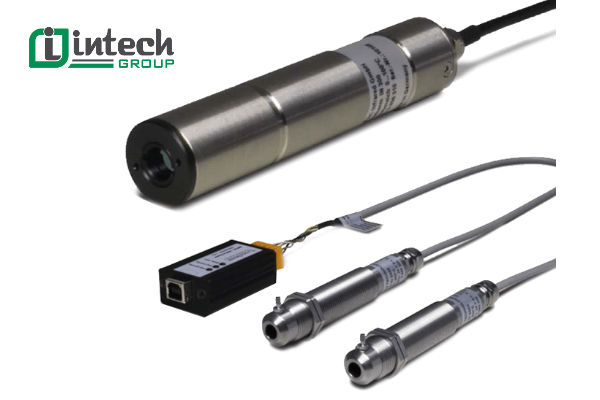
Structure of optical sensors
Optical sensors are devices that detect objects based on changes in light, consisting of three main parts: a light emitter, a light receiver, and a signal processing circuit. Each part plays a specific role, helping the sensor operate accurately and stably in many different environments.
1. Light emitter
The light emitter is the component that creates a pulsed beam of light, often using a semiconductor LED. Its purpose is to help the sensor distinguish between the light it emits and light from external sources such as the sun, electric lights, etc. Common types of light emitters in optical sensors include: red LEDs, infrared lights, low-power lasers.
2. Light receiver
The light receiver is responsible for receiving light signals from the emitter or light reflected from the object. When light is emitted to an object, it will reflect back and be received by the receiver. This light signal is then converted into an electrical signal to be sent to the processor.
3. Signal processing circuit
The processing circuit will receive the electrical signal from the light receiver and convert it into an output control signal (ON/OFF). When the light intensity exceeds a certain threshold, the sensor will emit an activation signal. Modern optical sensors often use semiconductor outputs (PNP or NPN) instead of traditional relay contacts. In addition, some sensors also support linear output signals for distance measurement or object counting applications.
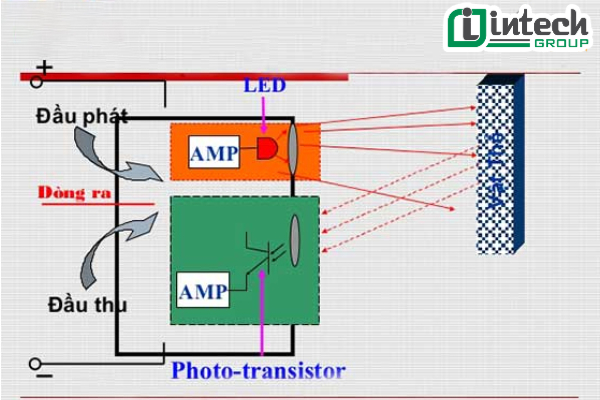
Optical sensor operating principle
Optical sensors operate based on the principle of detecting changes in light when an object passes through the detection area. Specifically, the light emitter will create a beam of light directed to the area to be monitored. When an object appears and changes or interrupts the light beam, the light receiver will record this change and transmit the signal to the processing circuit.
At the signal processing circuit, the optical sensor will convert light into an electrical signal according to the transistor principle and give results in two states: ON/OFF. This is the mechanism that helps the sensor operate effectively in automatic control systems.
The most common output signal types are NPN and PNP, which can be flexibly connected to control devices: PLC, relay or counter. Optical sensors are capable of detecting objects from a distance with high precision, withstand harsh environments, and are widely used in the packaging industry, automatic production lines, quality control systems, etc.
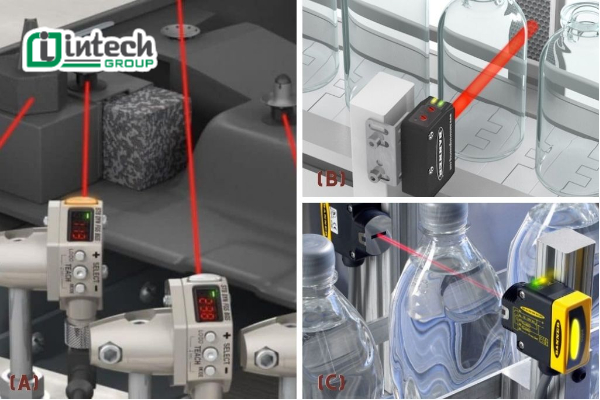
Classification of optical sensor operations
| Criteria | Through-beam sensor | Retro-reflective sensor | Diffuse sensor |
| Structure | Includes 2 separate devices: transmitter and receiver | Integrated transmitter and receiver + reflector | Integrated transmitter and receiver in 1 device |
| Detection distance | Very far, up to 60 meters | Average, about 15 meters | Near, maximum about 2 meters |
| Ability to detect transparent objects | Good | Good | Limited |
| Affected by object color | Not affected | Less affected | Highly affected |
| Accuracy | Very high, stable | High | Average, depends on object |
| Ability to withstand harsh environments | Good | Average | Limited |
| Flexibility in installation installation | Requires precise installation of 2 symmetrical heads | Easier, only need to install 1 head and mirror | Easiest installation, only 1 head |
| Initial investment cost | Higher due to the need for 2 devices and alignment | Medium | Lowest |
| Common applications | High-speed production lines, large object detection | Detect transparent bottles, opaque objects | Counting products, checking locations, packaging |
| Signal affected by dust/environmental light | Low | Medium | High |
Applications of Optical Sensors
Optical sensors are capable of detecting and measuring changes in light to determine the presence or location of objects, so they are used in industries and automation. Here are some common applications of optical sensors:
-
Counting the number of products on production lines and conveyors
-
Checking and detecting defective objects, eliminating substandard products immediately.
-
Recognizing labels on packaging helps improve quality control efficiency in packaging production.
-
Safety monitoring when opening and closing elevator doors, garages, when detecting objects, the sensor will automatically stop or open the door, ensuring safety for users.
-
Turn on/off automation devices such as car wash faucets, doors, lighting systems to save energy and increase automation in applications such as lighting systems, automatic doors or faucets.
-
Checking the position of machine parts helps ensure the assembly process is accurate and efficient.
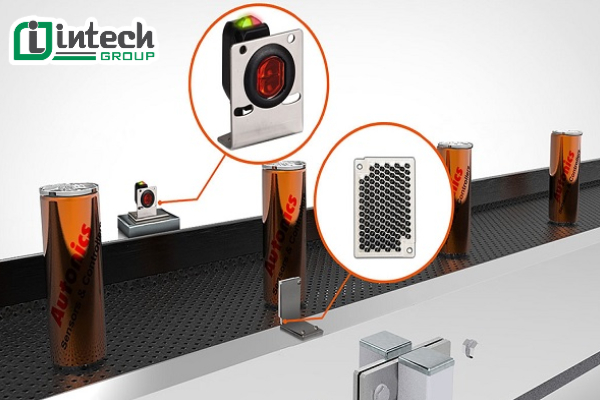
Typical parameters of optical sensors
Understanding the technical parameters in optical sensors is extremely important when choosing and applying in industry and automation. Below are the parameters to note:
-
Optical sensors usually have power supply options such as: 12-24VDC, 24-240VAC ±10% 50/60Hz, 24-240VDC ±10% (Ripple P-P: Max. 10%).
-
Optical sensors usually have the following output ports: Relay contact 30VDC 3A, 250VAC 3A pure resistive load, contact structure is 1c - this output port helps the sensor connect to control systems to activate automation devices.
-
The detection range of optical sensors varies depending on the type of sensor: Through-Beam Sensor has a range of up to 15m, Retro-Reflection Sensor has a range of 0.1m to 5m, Diffuse Reflection Sensor has a maximum range of about 700mm.
-
The delay of the optical sensor is about 20% compared to the rated setting distance, helping users understand the sensor's response speed when there is a change in the environment.
-
Optical sensors are capable of detecting objects of standard size: Through-Beam Sensor for opaque objects Ø15mm, Retro-Reflection Sensor for opaque objects Ø60mm, Diffuse Reflection Sensor for opaque or transparent objects.
-
Optical sensors use infrared LEDs of 940nm, 850nm and red LEDs of 660nm to emit light that does not affect the user's eyes.
-
Photoelectric sensors support two main operating modes: Light ON/Dark ON
-
Photoelectric sensors usually have LED indicators for operation: Green LED indicates power and sensor stability, yellow LED indicates the sensor is operating.
Notes for users when purchasing optical sensors
When purchasing optical sensors, users need to pay attention to some important factors to ensure the efficiency and stability of the device:
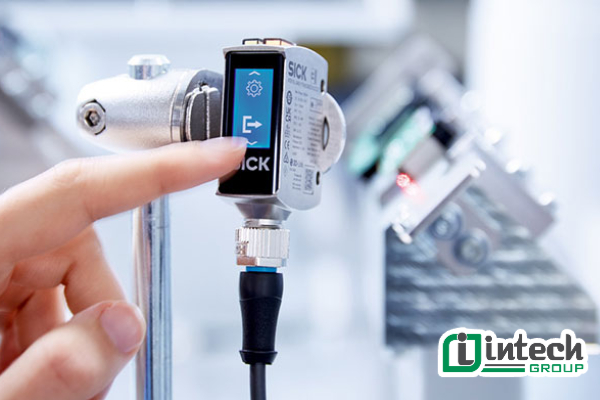
Choose the right type of sensor: Each type of sensor will have different characteristics and operating ranges, so depending on the work requirements and detection range, users need to choose the right type of optical sensor.
Determine the detection range and sensitivity: It is necessary to consider the detection range and sensitivity of the sensor to ensure that it can detect objects within the required distance. In addition, the sensitivity of the sensor also needs to be noted to achieve accurate and effective results.
Check the specifications: It is necessary to check the sensor's specifications such as voltage source, output, hysteresis, and operating modes. This helps ensure the sensor is compatible with your system.
Choose a reputable supplier: Reputable suppliers will ensure that their products meet high quality and performance standards.
Notes for users when using optical sensors
When using optical sensors, users need to follow some important notes to ensure the device operates effectively and prolongs the life of the sensor:
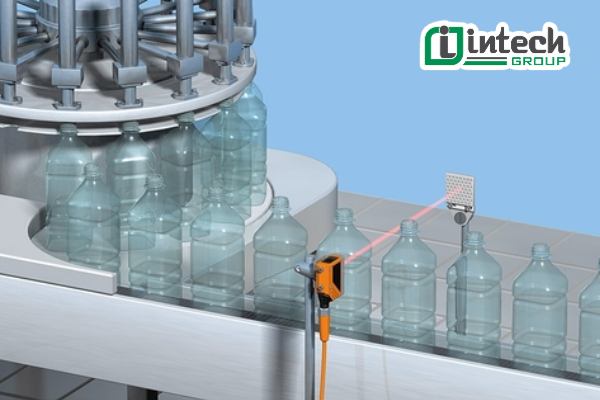
Installation location: It must be installed in a convenient location to be able to detect objects accurately. Avoid installing the sensor in areas with obstacles that affect the emitted and collected light.
Installation to avoid strong light: Make sure the sensor is not exposed to direct sunlight on the light receiver.
Check carefully: When installing, it is necessary to check that the sensor is firmly fixed and not shaken.
Adjust the sensitivity: After installation, it is necessary to adjust the sensitivity of the sensor to suit the working environment, helping the sensor to operate most effectively. The sensor should be installed in a location that avoids direct sunlight or other strong light sources.
Check the wiring and power supply: Check the electrical connections and cables to ensure they are not loose or damaged.
Regular maintenance: Based on the frequency of use and environmental conditions, users need to periodically maintain the optical sensor to extend its life and maintain optimal performance.
Through the article, Intech Group has provided you with information about optical sensors and their applications in industry and automation. For any questions about optical sensors, please contact the hotline for direct advice and support.
