


What is Mass Production? Types and Characteristics
09-09-2025 166
In the context of modern industrialization, the concept of “What is mass production?” is not simply about increasing the number of products. Instead, businesses need to find a production method that is both efficient and economical, ensuring stability and uniformity.
The mass production model combined with an automated production line system has become a key solution to help factories improve productivity, optimize costs and minimize risks due to human factors. Thanks to the application of modern technology, the above model meets the needs of expanding scale, while enhancing competitiveness in domestic and foreign markets.
What is mass production?
Mass production (also known as mass production, English: mass production, flow production or continuous production) is a production method designed to create a large number of similar products in a short time. This model exploits the advantages of automation, labor specialization and continuous production processes, helping to optimize costs, speed up progress and ensure consistent quality between products.
Mass production requires the factory system to be specially designed to operate stably at high capacity and continuous frequency. Thanks to that, production costs per unit of product are reduced, bringing competitive advantages to businesses in industries such as: processed food, electronic components, fast-moving consumer products, precision mechanics, etc.
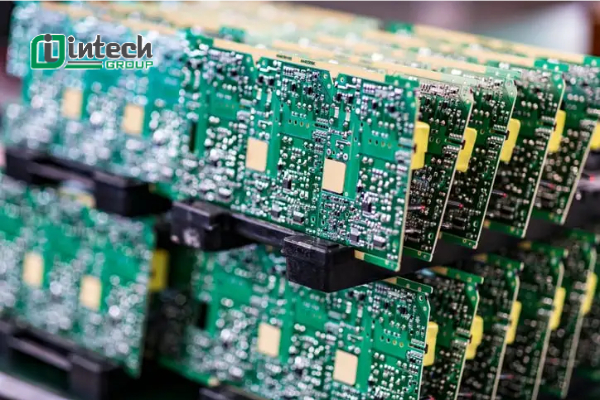
Outstanding features of the mass production model
Maximum standardized process
The above model is built according to a clear, fixed and repeatable production process with high precision. Each stage is designed to be standardized for continuous, synchronous operation and is closely monitored.
Minimizing dependence on skilled labor helps control risks, limit errors and ensure the consistency of output products.
Making the most of the capacity of the automation line
The application of automation lines is a key factor in optimizing costs and productivity. Automation helps replace humans in repetitive tasks, shortening production time, reducing labor costs and increasing accuracy. In particular, the automation system also integrates the ability to collect real-time production data, helping managers easily monitor performance, detect problems early and make timely decisions.
Ability to respond quickly and flexibly to the market
When a stable process and large capacity are in place, businesses can easily adapt to market fluctuations. The production system can expand capacity or change products (if it has a flexible design) without disrupting the supply chain, helping businesses.
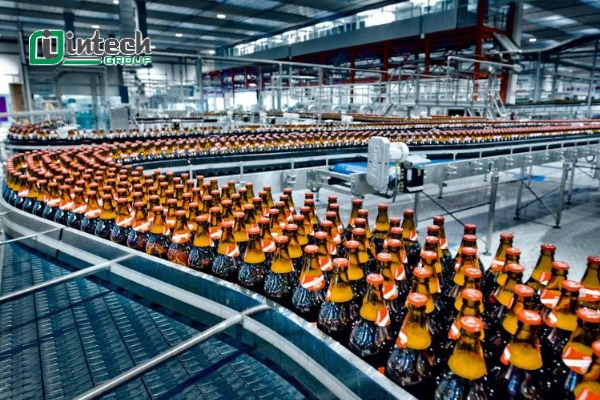
Advantages and disadvantages of mass production model
This method is often implemented with the support of automated production lines, helping to improve productivity and optimize costs per unit of product.
Outstanding advantages of mass production
- Optimize unit product costs: Fixed costs such as labor, factory, electricity, etc. will be evenly distributed, helping to reduce the average cost per product.
- Improve productivity and operational efficiency: Thanks to the application of automation technology, the system can operate continuously at high speed, reduce downtime and significantly increase output.
- Stable product quality: The production process is standardized, quality control at many stages helps ensure high consistency of output products, limiting technical errors or errors due to human factors.
- Easy scalability: As the market expands, the high-volume production model easily increases capacity by adding equipment, shifts, or expanding the existing production line.
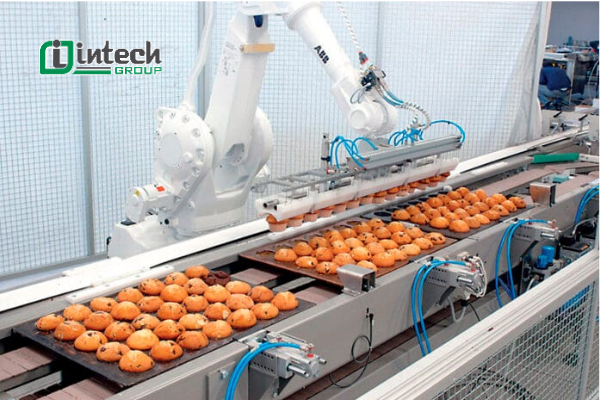
Disadvantages to consider when producing large volumes
- High initial investment costs: To operate this model, businesses need to invest heavily in machinery, automatic control systems, warehouses and train highly specialized personnel.
- Requires a well-organized process: Mass production requires detailed production planning, effective management of raw materials and inventory, when one step is interrupted, it can affect the entire chain.
- Low flexibility: Large production lines are often designed specifically for one or a specific group of products. Changing product design or converting production models will take time and cost a lot of money.
- Risk if the market fluctuates: When products are not consumed in time, large inventories will increase storage costs, reduce cash flow and directly affect the financial health of the business.
Popular types in the manufacturing sector
In modern industry, manufacturing is no longer a single concept but is divided into many different types of production, depending on the characteristics of scale, product nature, technical requirements and operational organization. Below are 5 popular types of production in practice:
1. Mass / mass production
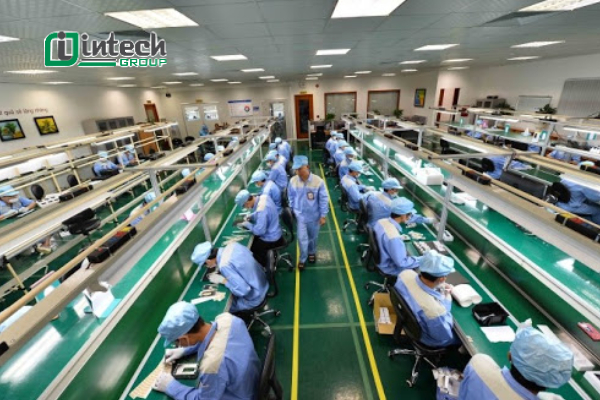
This is a popular type when businesses need to produce large quantities of identical products over a long period of time. This model is often divided into 3 levels: small, medium and large batch production.
Outstanding features:- The production process is highly standardized, minimizing unfinished products.
- Workers are specialized in each specific stage.
- Automation of the production line is thoroughly applied, ensuring consistent productivity and quality.
- Large initial investment due to the requirement of high precision equipment and specialized production systems.
Advantages:
- Reduced production costs per unit due to large output.
- High efficiency of equipment and human resources, reducing operating time.
- Suitable for seasonal products or products with general consumer demand.
Disadvantages:
- Increased storage costs if the product is consumed slowly.
- High risk of mass errors.
- Lack of flexibility, not suitable for personalized products or small orders.
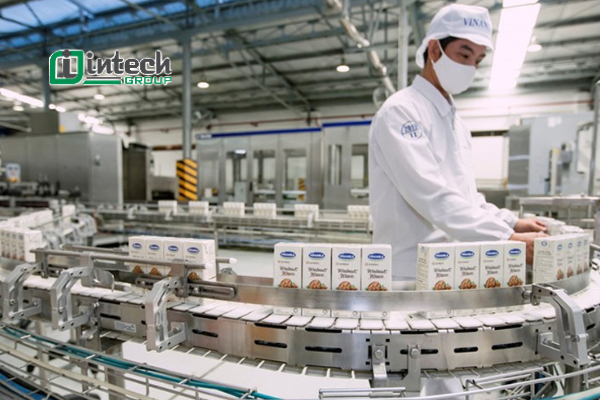
2. Project-based (on-demand) production
This model is commonly seen in the construction, shipbuilding, and specialty mechanical industries where each product is a separate project, produced according to the individual requirements of the customer.
Outstanding features:
- Short-term production time, production location can be flexibly changed.
- Work depends on the progress of each project.
- Machinery and equipment must be highly flexible, easily transferred between projects.
3. Mass production / mass production
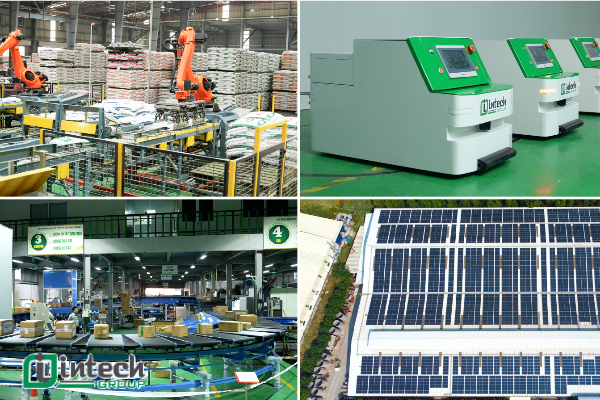
This is a concentrated production model, operating continuously on a very large scale, specializing in producing a few types but in huge quantities. This is the key model when it comes to the question: What is mass production?
Outstanding features:- Specialized production lines, performing only one specific stage.
- Products have consistent quality, high productivity.
- Requires large investment and tight organization planning.
- Suitable for mass consumer markets such as packaged foods, soft drinks, electronic components, cosmetics, etc.
Disadvantages:
- Poor adaptability to market fluctuations.
- Products have few varieties, difficult to adjust when demand changes.
4. Single-piece production
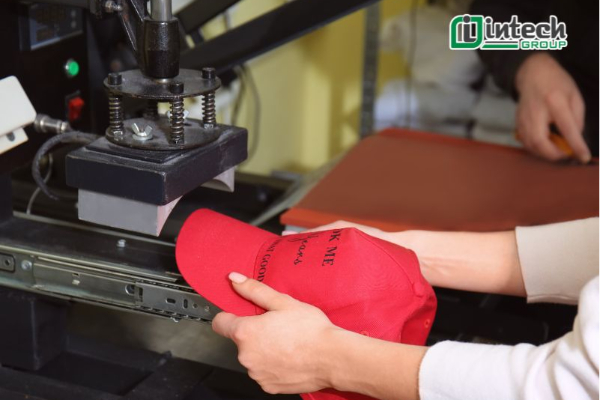
This model is suitable for highly customized, specific products such as molds, heavy industrial equipment, and custom-made mechanical products.
Characteristics:
- Products are produced individually, not repeated or only repeated at very low frequency.
- Workers require high skills, flexibility and creativity.
- Machinery is often multi-purpose equipment, which can be customized for many different stages.
5. Make-to-stock production
This is a production strategy based on demand forecasting and pre-production of goods for storage. This model is quite popular in the production of consumer or seasonal goods.
Characteristics:
- Goods are produced in advance to be ready for distribution when the market has demand.
- Ability to optimize production costs thanks to large scale.
- However, the risk of inventory and product obsolescence if the forecast is incorrect is very high.
Industries that apply mass production
This model requires thorough investment in technology, infrastructure and especially stability in market demand, so not all businesses can apply it. Below are the industries that are widely applying large-scale mass production combined with automation lines:
Electronics and industrial components industry
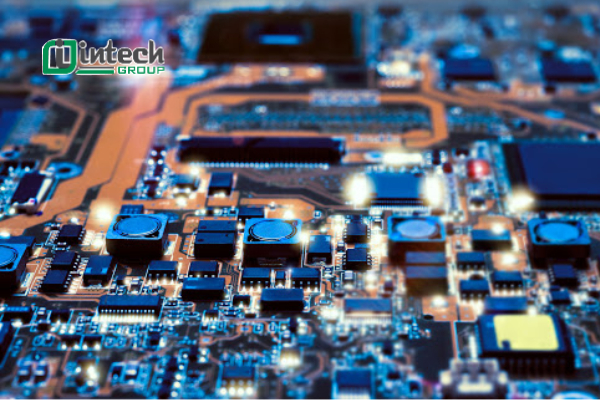
Products such as microchips, motherboards, sensors, capacitors, sockets or mechatronic assemblies all have the characteristics of requiring extremely high precision, and must be produced synchronously and continuously in large batches.
Automation in the industry helps ensure product quality and shorten delivery times, meeting the schedule in global supply chains. SMT lines, conveyor systems and robotic arms, and robotic loading and unloading stations are popular solutions in electronics manufacturing.
Food and beverage industry
In the food and beverage industry, from the stages of preliminary processing, quantification, packaging, filling, labeling to inspection, automation is applied. Large-scale production helps to strictly control food safety and hygiene standards while ensuring high productivity. Automatic packaging lines, filling machines, heat shrink machines, strapping machines and traceability systems are core equipment in this industry.
Textile and footwear industry
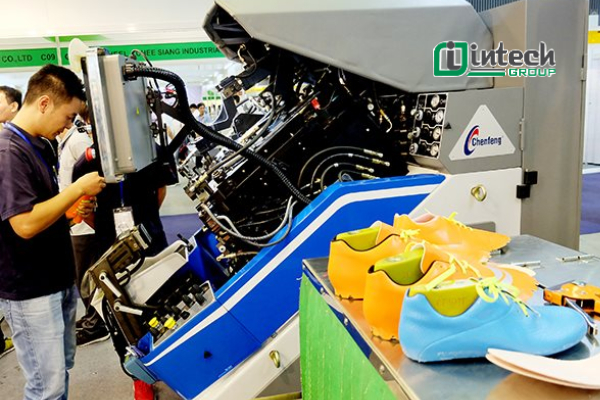
This is an industry with high seasonality, large orders and urgent completion speed requirements, especially in the supply chain for international fashion brands. The application of automatic fabric cutting lines, sewing robots, and fabric defect inspection systems using AI cameras helps to significantly reduce labor costs and increase accuracy.
Packaging, plastic, printing industry
Products such as carton boxes, PE plastic films, nylon bags, plastic bottles, labels, etc. are often produced in very large quantities to serve other industries. Closed packaging production lines help save raw materials, reduce loss and optimize delivery time. Automation in plastic injection, flexo printing, stamping or packaging brings outstanding cost efficiency.
Automotive and mechanical engineering industry
Automotive component manufacturing and assembly plants use welding robots, automatic assembly systems, AGV self-propelled vehicles, and loading and unloading robots to increase speed and ensure absolute consistency. Each stage in the line is programmed and synchronized, ensuring 24/7 operation with near-absolute precision
