



In the process of transforming from traditional production methods to automated production with Smart Factories, most business owners agree with the point of view: Digital transformation is the key to starting the implementation of smart factories.Digitization is the stepping stone in smart factory implementation.The digitization of data helps businesses solve many painful problems in management and operation.
So what is digital transformation and how are the steps taken?
Enterprises need to be able to answer two questions: What is the size of the system and what is the need for digitization of the business?From there, there is a plan to prepare the digital infrastructure.
There are two storage options for businesses that are centralized cloud services or physical servers.After that, they will invest in electronic machinery, databases, technology, build processes and ways of operation.
Along with that, human transformation is also extremely necessary to serve digital transformation.All departments such as: Information technology, production operation and legal advice need to be built and trained in a methodical way.
In the process of preparing to deploy the smart factory, enterprises will have to spend a lot of human and material resources.Therefore, patience is essential in the implementation process.
After building the digital infrastructure for smart factory deployment, businesses need to conduct appropriate forms of connection.The application of IoT technology helps businesses connect all machines and equipment in the factory to an internal Internet network.In addition, it is also important to assess whether existing devices are still suitable for connectivity.
All information and data collected from sensors and measurement devices will be processed and transferred to a central data analysis system.
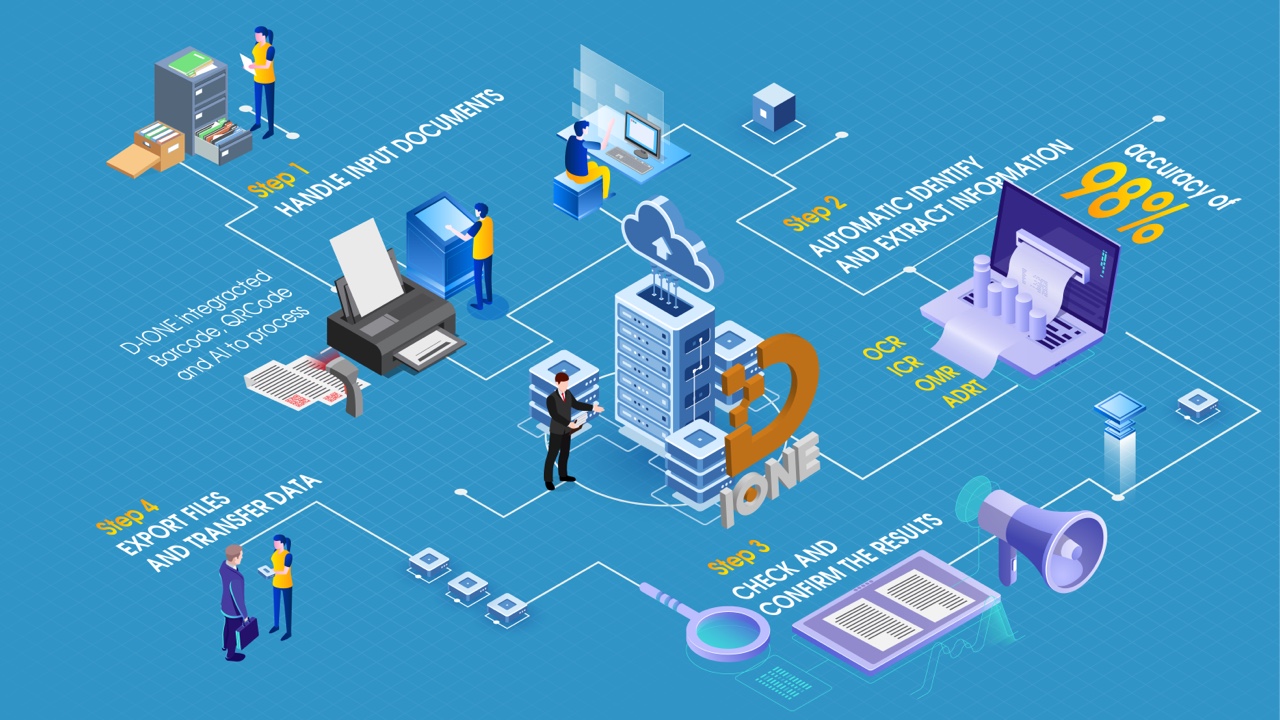
The most basic digitization of the administrative information system is the digitization of documents to limit paper printing.Next, businesses need to link the collected data to get an overview of the business's operations.
To do this, businesses need to integrate more enterprise resource planning systems (ERP) and manufacturing execution system (MES).
![he-thong-mes-va-erp]()
In the smart factory model, data from IoT and the above software systems complement each other, helping managers have the most general view of the entire production, operation and management process, thenmake the most accurate decisions related to production activities.
Smart factory deployment depends on the actual situation and development orientation of the businesses.However, the digitization of all data in the enterprise is essential.
Data from IoT and integrated software systems support each other, helping businesses have the most general view of production and management activities.From there, make optimal decisions and strategies for production activities.
So what is digital transformation and how are the steps taken?
1. Digital infrastructure
 |
Enterprises need to be able to answer two questions: What is the size of the system and what is the need for digitization of the business?From there, there is a plan to prepare the digital infrastructure.
There are two storage options for businesses that are centralized cloud services or physical servers.After that, they will invest in electronic machinery, databases, technology, build processes and ways of operation.
Along with that, human transformation is also extremely necessary to serve digital transformation.All departments such as: Information technology, production operation and legal advice need to be built and trained in a methodical way.
In the process of preparing to deploy the smart factory, enterprises will have to spend a lot of human and material resources.Therefore, patience is essential in the implementation process.
2. Digitizing means of production
 |
After building the digital infrastructure for smart factory deployment, businesses need to conduct appropriate forms of connection.The application of IoT technology helps businesses connect all machines and equipment in the factory to an internal Internet network.In addition, it is also important to assess whether existing devices are still suitable for connectivity.
All information and data collected from sensors and measurement devices will be processed and transferred to a central data analysis system.
3. Digitizing the management system
The most basic digitization of the administrative information system is the digitization of documents to limit paper printing.Next, businesses need to link the collected data to get an overview of the business's operations.
To do this, businesses need to integrate more enterprise resource planning systems (ERP) and manufacturing execution system (MES).
- The MES system is almost entirely focused on the production side.
- ERP supports enterprise-wide resource management.This helps to link production area events with business events, sales, purchases, machinery maintenance and financial accounting.

In the smart factory model, data from IoT and the above software systems complement each other, helping managers have the most general view of the entire production, operation and management process, thenmake the most accurate decisions related to production activities.
Smart factory deployment depends on the actual situation and development orientation of the businesses.However, the digitization of all data in the enterprise is essential.
Data from IoT and integrated software systems support each other, helping businesses have the most general view of production and management activities.From there, make optimal decisions and strategies for production activities.
