


Overview of automatic product appearance inspection machine
01-10-2025 186
Automatic Optical Inspection Machine (AOI) is a high-tech device used to quickly, automatically and accurately inspect and evaluate the surface quality of products.
This machine line is an important solution in modern production lines, especially in the electronics, mechanical, pharmaceutical and food industries. Next, let's learn about its structure and application with Intech Group through the following article:
What is an automatic product appearance inspection machine?
An automatic product appearance inspection machine, also known as Automatic Optical Inspection Machine (AOI), is a high-tech device that uses a camera system, optical sensors and image processing software to automatically detect cracks, scratches, deformations, color deviations, shapes or sizes that do not meet requirements during the production process.
Automatic appearance inspection machines are an important part of modern quality control lines, widely used in many industries such as electronics manufacturing (PCB, component inspection), precision mechanics, pharmaceuticals (pill, packaging inspection), food (packaging inspection, product shape). Integrating AOI in manufacturing not only helps detect defects early, but also contributes to reducing recycling, scrapping, and warranty costs.
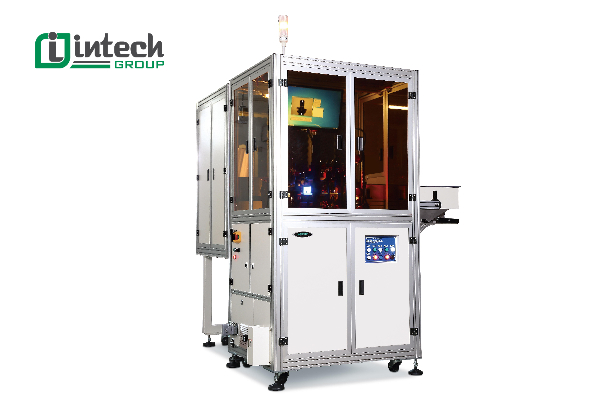
Structure of the automatic product appearance inspection machine
To achieve optimal inspection efficiency, the Automatic Optical Inspection (AOI) machine integrates many advanced devices and technologies. Below are the main components commonly found in automatic optical inspection machines:
High resolution camera
The camera is the most important device in the automatic optical inspection system. Its function is to collect detailed images of the product surface for analysis:
-
Monochrome camera (black and white): Suitable for applications that require precise shape and line inspection.
-
Multicolor camera (color): Helps detect color deviations, stains, fading or color distinction of components.
-
Images from the camera allow detection of defects such as cracks, scratches, warping, shape deviation, missing components, etc.
Dedicated lighting system
Lighting is an indispensable factor to create optimal viewing conditions for the camera. Common types of light in AOI machines include:
-
Uniform LED lights: Ensure clear light, support accurate image analysis.
-
Multi-angle lighting: Helps highlight small defects or complex details.
-
Laser lighting (if available): Used in systems that require depth and height measurement.
-
The lighting system can be flexibly customized depending on the product type and inspection requirements.
Optical sensors
Optical sensors support the collection of product surface data quickly and accurately. Outstanding functions:
-
Detect errors that are not visible to the naked eye
-
Increase the sensitivity and accuracy of the inspection system
-
Reduce the risk of missing small, subtle errors
-
This is a particularly important device in industries that require high precision such as electronics, precision mechanics, and medicine.
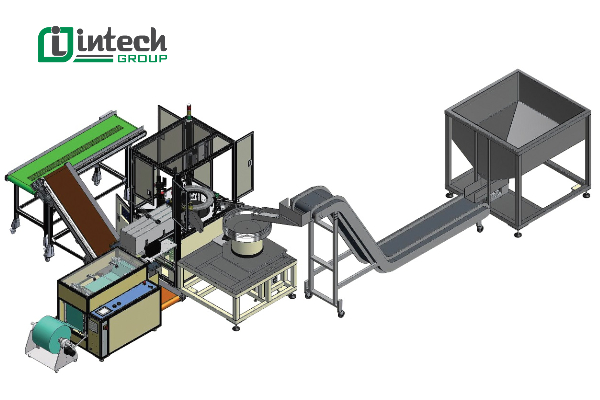
Image processing software and artificial intelligence (AI)
The software is the processing center of the AOI system, including the following functions:
-
Compare actual images with sample standards to detect deviations.
-
Automatically classify qualified and unqualified products.
-
Machine Learning: AI can memorize and analyze defect samples, thereby improving accuracy over time.
-
AI algorithms help the machine automatically adapt and minimize the error rate in batch inspection.
Controller
This is the most important part that helps control the entire operation of the machine, from adjusting the camera angle, controlling the light, to processing and transmitting data to the production management system.
Conveyor system or product tray
Helps transport products into the inspection area accurately and stably, ensuring the camera captures the correct position.
Automatic sorting mechanism
After inspection, the products will be classified into "qualified" and "unqualified". This part helps to remove defective products from the line automatically, without manual intervention.
In addition, the conveyor system or automatic conveyor is also an important part of the automatic visual inspection machine. This system plays the role of continuously transporting products through the inspection positions, ensuring the process runs smoothly so that the machine can inspect many products in a row.
What types of defects are commonly identified in AOI?
Automated appearance inspection (AOI) machines are widely used in manufacturing thanks to their ability to accurately detect defects in shape, location, and connection on products, especially in the electronics industry. Below are the common types of defects that AOI systems can detect:
Common surface defects
Physical defects that affect the appearance and quality of products such as: Scratches, bumps, warping, cracks, dents, peeling, etc.
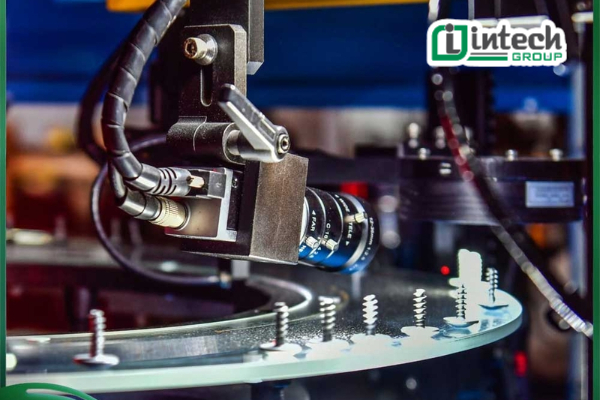
Defects in surface mount (SMT) component inspection
Missing or wrong type components, misaligned positions, wrong orientation, wrong polarity, solder joint defects including missing solder joints, too much solder, solder bridges, or uneven solder joints, flipped, damaged, cracked components, height errors, uneven gluing around the component pins, or lack of solder leading to unstable connections.
Defects on Printed Circuit Boards (PCBs)
Violations in track width, violations in distance between circuits, broken holes, cuts, broken circuits, missing or excess copper, missing pads, unwanted connectors (short circuits), incorrect installation of components causing overall circuit failures or reduced performance
Applications of automatic visual inspection machines in industrial production
Thanks to the ability to inspect quickly, accurately and non-contact, automatic visual inspection machines are increasingly widely used in many industries to ensure the quality of output products. Below are the most common applications of automatic visual inspection machines:
Applications in the electronics manufacturing industry
Inspection of printed circuit boards (PCBs): AOI machines help accurately inspect electronic components such as capacitors, resistors, ICs, solder points and circuit traces. The equipment is capable of detecting common errors such as incorrect soldering, broken circuits, missing or misplaced components.
Display Screen Testing (LCD, LED, OLED): The machine checks for surface defects such as dead pixels, color stripes, scratches or color deviations, ensuring the product achieves the highest visual quality.
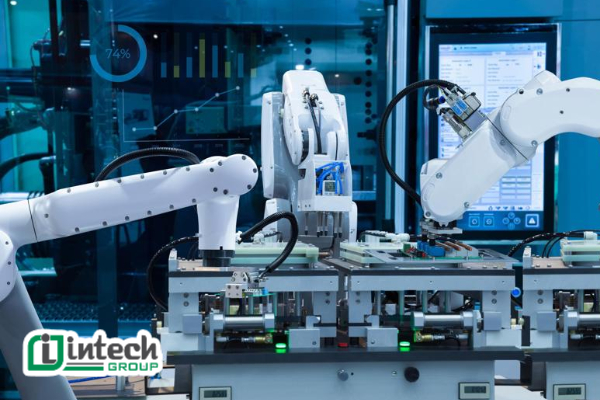
Applications in the automotive industry
Mechanical component testing: The AOI machine checks details such as brakes, gears, motors, and body shells to detect defects such as cracks, misalignment, size errors, or scratches.
Car light testing: The machine ensures that the lights meet the standards for brightness, light uniformity, and color, thereby improving safety during operation.
Applications in the pharmaceutical industry
Pharmaceutical packaging testing: Detecting defects such as tears, cracks, misprints, or damaged packaging helps ensure that the drug is properly stored and safe for users.
Pill testing: The AOI machine checks the pills for shape, color, and size, thereby eliminating substandard or defective pills.
Plastic product inspection: The machine detects surface defects such as deformation, cracks, air holes, burrs, ensuring the aesthetics and mechanical quality of plastic products.
Product classification: The AOI machine classifies products by size, shape, color, supporting the automation of packaging or shipping lines.
>> Refer to the sorting line using sensors: Product sorting line
