


What are Radio Waves? Characteristics and practical applications
08-10-2025 1.329
In the modern technological age, wireless devices such as telephones, radios, and wifi have become an indispensable part of life. Radio waves, a type of radio wave, play an important role in transmitting information, connecting and operating these devices.
However, do you really understand what radio waves are, their characteristics, classification and practical applications? Let's explore in detail with Intech Group through the article below to learn more about this important type of wave.
What are Radio Waves?
Radio waves, also known as radio waves or electromagnetic waves, are a form of electromagnetic radiation with wavelengths longer than infrared light. The frequency of radio waves ranges from 3 kHz to 300 GHz, corresponding to wavelengths from 100 km to 1 mm.
Radio waves are widely used in transmitting information over space, such as sound, images and data. They are generated by broadcasting devices such as radios, TVs and communication systems. These waves have the ability to penetrate air and objects, but can also be affected by phenomena such as reflection, refraction or absorption, affecting signal quality.
In an ideal environment, radio waves travel at the speed of light, but this speed can change depending on the medium through which they are transmitted, such as a vacuum, air, or water. A natural example of radio waves is the signals produced by lightning.

Basic Characteristics of Radio Waves
Radio waves possess several important characteristics:
Speed
- Radio waves travel at the speed of light in a vacuum (about 300,000 km/s).
- In air or other media, the speed of the wave can decrease, depending on the permeability and dielectric constant of the medium.
Frequency and Wavelength
- Frequency and wavelength have an inverse relationship: the longer the wavelength, the lower the frequency.
- These factors directly affect the ability to transmit information and how radio waves interact with the medium.
Propagation
- Radio waves can travel through air, water, and soil, but they can be attenuated, reflected, refracted, or absorbed by obstacles.
- Transmission range depends on frequency, broadcast power, and environmental conditions.

Transmission Mode
- Radio waves can travel in different modes such as straight-line transmission, ground wave reflection, or skywave reflection.
- Transmission mode determines the range and quality of the signal.
Penetration
Radio waves can penetrate obstacles such as walls and building structures, but this ability depends on the frequency of the wave. Low-frequency waves are generally more penetrating than high-frequency waves.
Power and Range
- The power of the transmission determines the transmission range.
- High-power waves travel farther and are easier to penetrate, while low-power waves generally have a more limited range.
These characteristics explain why radio waves are widely used in fields such as telecommunications, radio, television, and many other scientific applications.
What are the different types of radio waves?
Radio waves are divided into four main types, including long wave, medium wave, short wave and ultra-short wave, with different characteristics and applications.
Long wave (Low Frequency - LF)
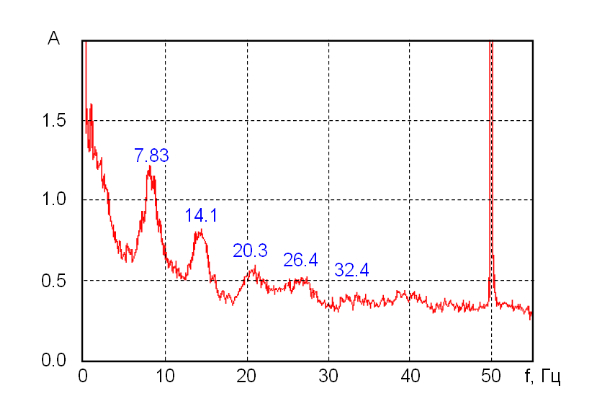
Low frequency LF (low frequency) is the ITU name for RF (radio frequency) in the range of 30-300 kHz. Long wave (Low Frequency - LF) is a type of radio wave with a wavelength of over 1000m and a low frequency. Although there is no globally agreed definition, long wave is often understood differently depending on the region, for example, the standard for long wave in the US may be different from the standard in Europe or Asia. Long wave carries low energy, is easily absorbed by objects on the ground but is not affected by the water environment. Therefore, this type of wave is often used in underwater communication systems, such as communication with submarines and marine equipment.
Medium Frequency (MF)
Medium Frequency (MF) has a wavelength of 100m to 1000m and is widely used in electronic and audio devices. Medium waves propagate along the curvature of the ground and are affected by refraction from the ionosphere, especially at night. The transmission efficiency of medium waves depends on the conductivity of the ground - where high conductivity will help medium waves transmit further. This type of wave is often used in AM radio and information technology devices.

Shortwave (High Frequency - HF)
Shortwave (High Frequency - HF) is a type of radio wave with a wavelength of 10m to 100m. With high energy, shortwaves are reflected many times between the ionosphere and the ground, allowing signals to be transmitted over long distances. Therefore, shortwaves are used in long-range communication systems, such as international radio and military communications.

Very High Frequency (VHF)
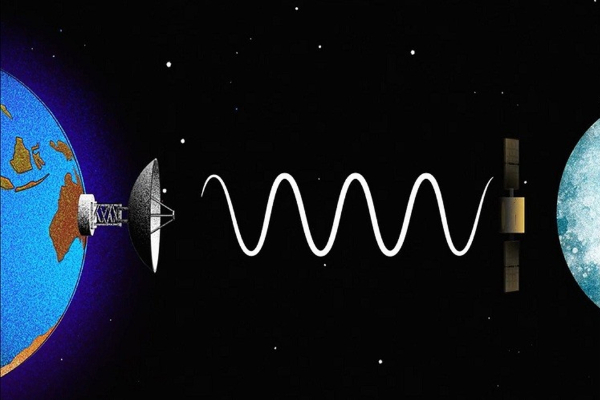
Very High Frequency (VHF) has the smallest wavelength of all radio waves, only from 1m to 10m. The outstanding feature of VHF is that it carries a lot of energy and is not absorbed by the ionosphere, allowing it to penetrate and enter space. Thanks to this characteristic, VHF is widely used in space research, developing space communication systems, and astronomical exploration equipment.
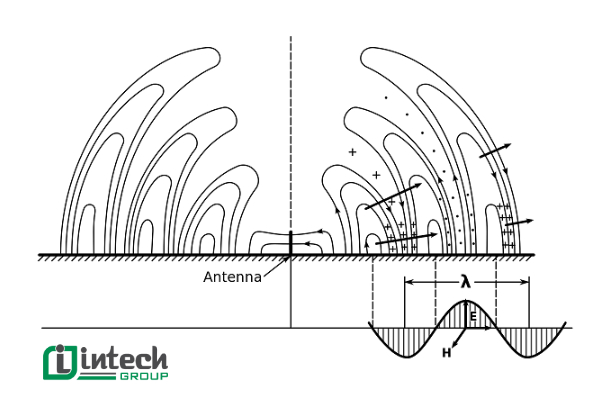
Each type of radio wave has its own unique characteristics and plays an important role in life as well as different industrial fields. From underwater communication, information on the ground, to space exploration, these wave forms have become an indispensable part in the development of modern technology.
Applications of radio waves in life
Radio waves, since their discovery, have brought many benefits and are widely used in various areas of life.
In electronic devices - audio
Radio waves have significantly improved audio devices, from eliminating complicated wires to improving user experience. A typical example is wireless microphones, which often use VHF or UHF waves to transmit audio signals. This signal is received, amplified, and emitted to speakers to create clear sound. Currently, modern microphones can transmit signals up to 100m, providing flexibility and convenience.
In addition, Bluetooth speakers also use radio waves to transmit signals between devices, helping to eliminate the cumbersome wiring. Not only that, modern audio devices such as digital echo or amplifiers also integrate radio wave technology to improve sound quality, bringing the best experience to users.
In wireless Internet connection (Wi-Fi)
Wi-Fi is a popular application of radio waves, allowing devices such as phones, tablets and laptops to access the internet wirelessly. Wi-Fi waves are essentially radio waves, but are controlled at low intensity. Interestingly, Wi-Fi waves have similar properties to electromagnetic waves in microwave ovens, but the intensity is up to 100,000 times lower.
Despite its strong connectivity, Wi-Fi waves are easily blocked by obstacles such as walls or doors. Therefore, in large spaces or multi-storey houses, it is necessary to install additional transmitters to ensure a stable signal.
In information transmission
Radio waves with wide frequency bands are used in many information transmission systems:
- VHF: Serves space communications, FM radio, and television.
- HF: Used in Wi-Fi, smartphones, and computers.
- MF: Used to transmit signals in large cities, although it is easily affected by interference.
- LF: With good reflection ability in the ionosphere and little interference, long waves are often used to transmit signals between cities or broadcast in large residential areas.
In medicine
Radio waves also play an important role in modern medical devices. For example, devices to support asthma patients or Coblator machines used in tonsillectomy operate on high-frequency radio waves. Coblator, with frequencies from 3 kHz to 300 MHz and temperatures from 40 to 70°C, helps to perform surgery quickly, reduce pain and limit tissue damage.
In Radar Detection
Radio waves are also used to detect and locate large objects such as aircraft or submarines. When radio waves reflect from the surface of objects such as soil, rock, or metal, the radar system will analyze the signal to determine their distance and location.
Radio waves have many other applications that are not mentioned in this article. If you want to explore further, you can search for more related documents and research to expand your knowledge.
Are Radio Waves Harmful?
A common question is whether radio waves are harmful to health, especially when using electronic and audio devices. According to scientific studies, in theory, radio waves do not carry enough energy to affect DNA in cells, so there is no evidence that they cause serious diseases. However, frequent and continuous exposure to devices using radio waves, especially for children, can potentially have some negative health effects, such as fatigue or sleep disorders.
Notes when using devices with Radio Waves
Although radio waves are not a direct danger, you should still take the following measures to protect your health:
- Limit placing devices near the body: Avoid placing the phone near the bed when sleeping and do not let children have long-term exposure to the phone or other electronic devices.
- Avoid living near areas with transmission towers: Telecommunication or radio towers can create higher levels of exposure, affecting the health of people around.
- Turn off when not in use: Turn off audio or electronic devices when not in use to minimize exposure to radio waves.
Radio Wave Fun Facts
Origin of Discovery: Radio waves were first predicted by James Clerk Maxwell in 1867 when he realized the connection between light and electromagnetic fields. Maxwell proposed equations that describe electromagnetic waves, including radio waves.
Important Experiment: In 1887, Heinrich Hertz demonstrated the existence of electromagnetic waves through laboratory experiments, laying the foundation for many inventions in the telecommunications industry.
Space Detection: In 2007, the Parkes Telescope in Australia detected six short, extremely bright bursts of radio waves from a source about 5.5 billion light years away from Earth. These signals are believed to come from outside the solar system, suggesting the possibility of an alien civilization.
Through this article, you have a better understanding of the nature, characteristics and applications of radio waves, as well as the necessary notes when using related electronic devices. Intech Group hopes that the above information will help you equip yourself with more useful knowledge about this type of wave. Don't forget to follow us to update more interesting information related to the field of audio and technology!
See more:
