


What is a control switch? Structure and operating principle of a control switch
07-10-2025 178
Circuit breaker, an important device in electrical system, especially in industrial and automation sectors, plays an essential role in protecting and controlling electric current.
In this article, we will explore the concept, structure and operating principle of the control circuit breaker, as well as its applications and outstanding advantages.
What is a control circuit breaker?
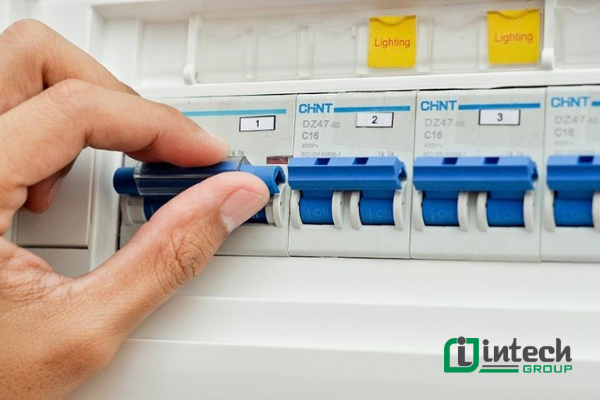
A control circuit breaker, also known as a reversing circuit breaker, is a type of household electrical device used to cut or close an electrical circuit manually. This device is widely used in industrial, civil and automation electrical systems to ensure safety and protect the electrical system and users. Control circuit breaker is capable of operating in electrical circuits with a capacity of less than 500V, with a rated current of up to several KA (kiloampere).
What is a smart circuit breaker?
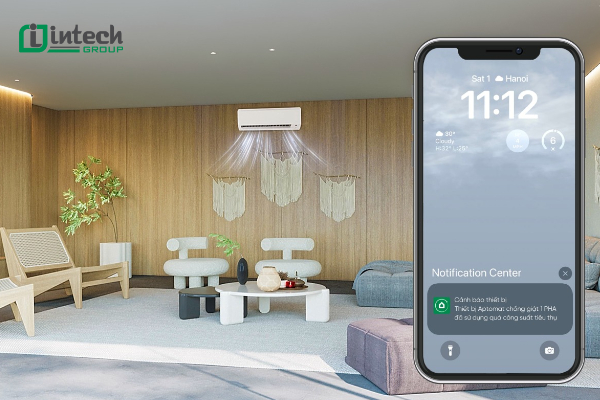
A smart circuit breaker (also known as a smart circuit breaker) is a modern electronic protection device, with the same function as a traditional circuit breaker but with integrated smart features. Not only capable of disconnecting the circuit in case of an electrical problem, the smart circuit breaker also supports functions such as remote control, monitoring power consumption and automating the electrical system protection process. This device helps ensure the safety of the electrical system, while optimizing energy management and minimizing electricity costs for users.
What is a remote control switch?
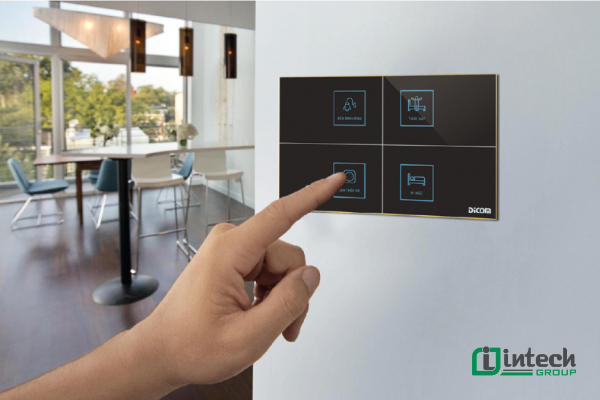
A remote control switch is a smart switch that can control electrical devices via mobile phones or internet-connected devices. Although it still retains the basic features of conventional switches, remote control switches have the added feature of controlling via electronic microchips, allowing users to turn on and off electrical devices remotely with just a smartphone. With this technology, you can easily control electrical devices in your home without having to stand near the device, as long as your phone has an internet or 3G connection.
Thanks to these smart features, both smart circuit breakers and remote control switches not only help increase safety but also bring convenience and energy savings to users.
Structure of the control circuit breaker
The control circuit breaker, also known as the reversing circuit breaker, consists of three levels of adjustment called three contacts. These contacts make it easy to switch the power source according to each specific case and circumstance. The purpose of this structure is to ensure flexibility in controlling the current, helping to protect electrical equipment in many different situations. In particular, the reversing circuit breaker helps protect the generator, preventing damage to the equipment due to incorrect connection to the power source, for example, disconnecting the grid without turning off the generator before switching to the main circuit breaker mode.
.jpg)
Operating principle of the control circuit breaker
The reversing circuit breaker operates based on a flexible circuit clamping blade system, controlled by a lever. When the lever changes position, the circuit breaker will allow or cut off the power to the electrical system depending on the required state. The power switching levels of the circuit breaker include:
- Up: Supply power from the grid and cut off the generator, which is the default mode when the device is not intervened.
- Middle: Cut off all input power, ensuring safety during maintenance or repair.
- Down: Supply power from the generator and cut off the grid, helping to protect when the main power source is interrupted or in an emergency.
In particular, when using a traditional reversing circuit breaker, the user needs to operate quickly to avoid the appearance of electric arcs. However, with a circuit breaker in the form of a circuit breaker, the phenomenon of electric arcs almost does not occur, making the use process safer and more convenient.
Classification of control/reversing circuit breakers
Control/reversing circuit breakers can be classified into two main types based on design and function: traditional reversing circuit breakers and circuit breaker-type reversing circuit breakers.
1. Traditional reversing circuit breakers
Traditional reversing circuit breakers have a simple design with three notches corresponding to three switching modes: grid connection, power off and generator connection. This type of circuit breaker is often installed before the main circuit breaker in the household electrical system. Traditional reversing circuit breakers have two basic parameters: allowable current intensity and maximum voltage.
Advantages: Low cost, simple design, easy to use.
Limitations: Mainly used for single-phase household electrical systems, without anti-shock or anti-leakage features.
2. Circuit Breaker Switch
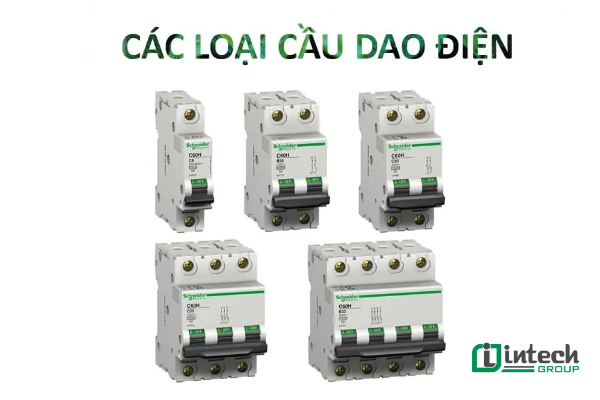
The circuit breaker switch also has three adjustment notches similar to the traditional type, but has the same design as the common circuit breaker. This type of circuit breaker can be installed in the electrical system without the need for an additional main circuit breaker. The circuit breaker switch has full technical specifications like other types of circuit breaker and can be applied to both 1-phase civil electrical systems and 3-phase industrial electrical systems. Some types are also equipped with features such as anti-leakage, anti-shock and automatic power off when there is a problem.
Advantages: No electric arc when operating, higher protection features than traditional circuit breakers.
Advantages of circuit breakers
The circuit breaker switch brings many benefits in the use and installation of electrical systems:
- Easy to install and use: The device has a simple, quick operating mechanism, suitable for many users.
- Quick connection to the main power line: Changing between power modes becomes flexible, meeting usage needs easily.
- Compact and sophisticated design: The product has a compact design, easy to install in many different locations without taking up much space.
- Light weight: Easy to move and install anywhere, convenient for maintenance and replacement.
- High compatibility: Can be integrated with many different electronic devices, improving efficiency.
- Environmentally friendly and affordable: The product not only brings convenience but also has a reasonable price, suitable for many consumers.
With these advantages, reversing circuit breakers are increasingly popular in civil and industrial electrical systems, ensuring safety and optimal efficiency for users.
Notes on using control/reversing circuit breakers
Control/reversing circuit breakers are important devices in the electrical system, helping to protect electrical equipment and ensure efficient operation. To use the reversing circuit breakers safely and effectively, here are some important notes to remember:
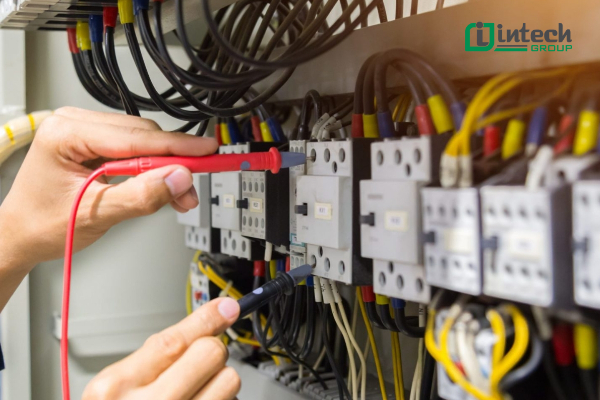
1. Comply with electrical safety regulations
Before working with a reversing circuit breaker, you must strictly comply with electrical safety regulations. This includes ensuring that all electrical equipment is disconnected from the power source before performing any operations. Operators must have professional knowledge of electricity and electrical safety to avoid risks that may endanger users.
2. Regular inspection and maintenance
A reversing circuit breaker is an important electrical device, so regular inspection and maintenance are necessary to ensure stable and safe operation of the device. Regularly checking the switches, circuits and related components helps to detect and fix problems early, minimizing the risk of damage or fire.
3. Choosing the right type of circuit breaker
Each type of reversing circuit breaker is designed to serve different purposes and environmental conditions. When choosing to buy a reversing circuit breaker, you need to pay attention to choosing the type that can withstand the voltage and current suitable for your needs. At the same time, the working environment conditions (temperature, humidity, dust level) are also important factors that need to be considered to ensure the device operates effectively and durably.
4. Follow the standard operating procedure
Each type of reversing circuit breaker has its own operating procedure, specifically prescribed by the manufacturer. To avoid errors that can lead to problems, you need to strictly follow these procedures. This includes following the correct steps when switching modes and checking the parameters of the device before and after use.
The control/reversing circuit breaker is an important device that helps protect the electrical system and ensure the safety of the user. Following the instructions when using the reversing circuit breaker will help you optimize the efficiency of the device, while minimizing the risks of electrical problems. If you have any questions or need more information, do not hesitate to contact Intech Group for advice and support.
