


What is a robot gripper? The role of robot grippers in automation
13-10-2025 399
A robotic gripper, also known as a robotic gripper, is a device mounted on a robotic arm, designed to grasp, hold, and manipulate objects in an automated process. It is an important component in industrial robotic systems, helping to improve production efficiency and ensure consistency in output products.
What is a Gripper Robot?
A gripper robot is an industrial robot designed to perform tasks such as sorting, picking, holding, and arranging objects. The highlight of a gripper robot is the gripper, an end-effector mounted on a robot arm that acts as a “finger” to grasp and move products from one location to another.
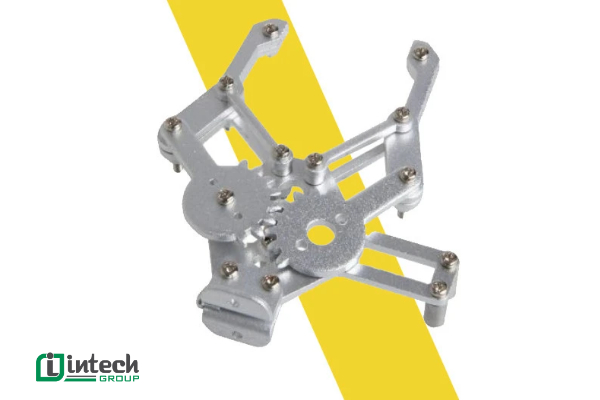
The Role of a Gripper Robot in Automation
Grippers play an important role in fully automating manufacturing processes. When integrated with collaborative systems, these grippers mimic the human hand, providing both arm strength and dexterity. As a result, gripper robots can:
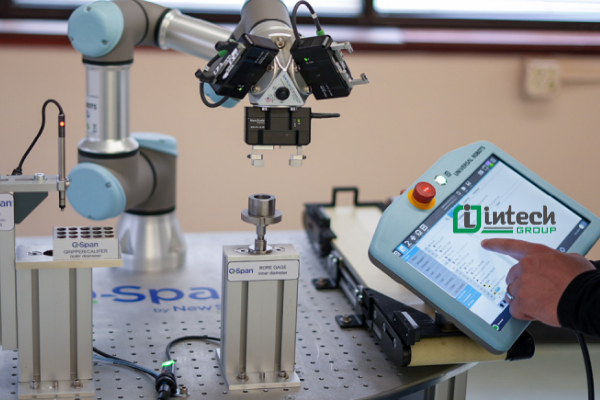
- Perform repetitive tasks without rest.
- Increase production speed and ensure consistency in product quality.
- Reduce errors and labor costs.
Automation with Gripper robots in production
In the era of industry 4.0, automation has become an inevitable trend to improve production processes, reduce costs and optimize productivity. Gripper robots are a remarkable solution, especially when it comes to precise manipulation of objects with diverse shapes, sizes or materials. Outstanding features of gripper robots:
- Ability to accurately grasp small or complex objects.
- Easy integration with other robot systems.
- Ensure high flexibility, suitable for many industries such as electronics, food, medical and automotive.
Outstanding features of grippers on Gripper robots
Robot grippers are designed in a variety of ways to suit many types of work and materials:
- Simulate human hands: Precisely and flexibly grasp objects of different shapes and sizes.
- Highly customizable: There are many different types of grippers, each meeting specific production needs.
- Work effectively in many fields: From electronics manufacturing, component assembly, to warehouse transportation.
Types of Gripper Robots
In automation systems, gripper robots play an important role thanks to the variety of grippers. These devices ensure the ability to pick up, hold and move items accurately and efficiently, meeting diverse needs in industries. Below are popular types of robot grippers with their characteristics, operating principles and applications.
Vacuum Clamps
Vacuum clamps are one of the most common types, operating on the pressure difference between the atmosphere and a vacuum. They use a compressed air pump to create a vacuum, which helps to grip and move items precisely. With the ability to lift heavy objects and handle irregularly shaped products, vacuum clamps are ideal for packaging, assembling, and stacking goods.
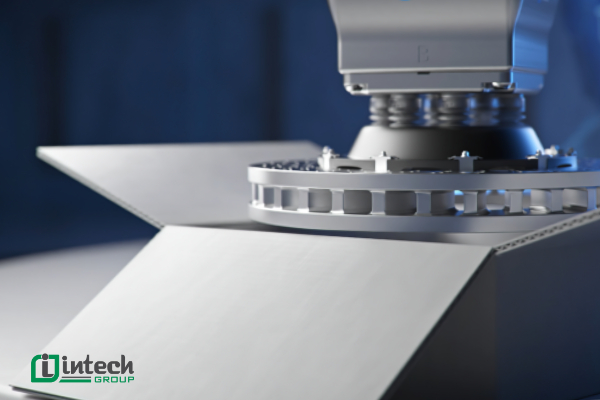
Pneumatic clamps
Pneumatic clamps, by using compressed air and pistons, provide high precision in holding and moving items. They are low cost and compact in design, suitable for workshops with limited space. They are especially effective when handling small parts in the production process.
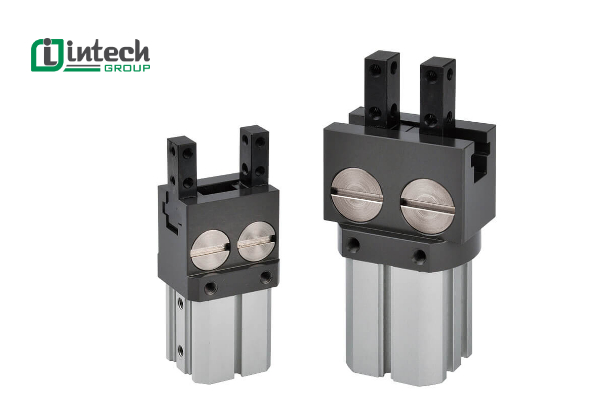
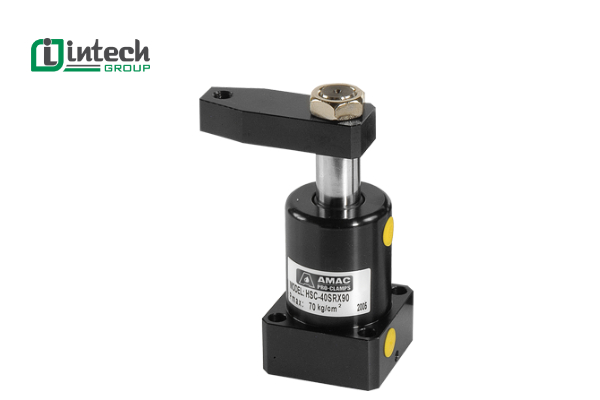
Hydraulic Clamps
Hydraulic clamps are designed for heavy-duty applications, using hydraulic fluid to create powerful clamping forces. They are suitable for handling large, heavy products but require high maintenance and hygiene due to the use of various oils and reservoirs. However, they are still the top choice for heavy industries.
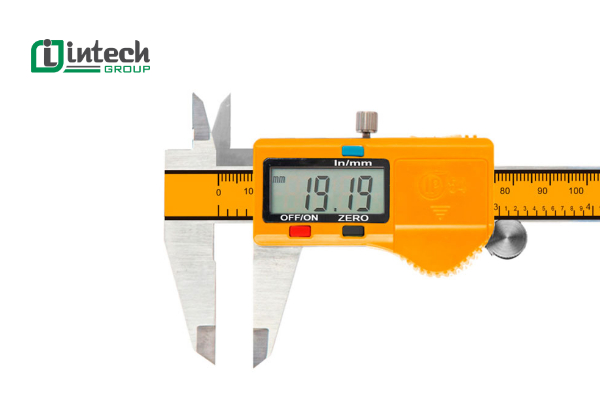
Electric Clamps
Electric clamps are ideal when working with collaborative robots. They are especially effective for tasks requiring high speeds and light to medium clamping forces. They are widely used in picking and placing products, ensuring accuracy in modern automation processes.
Snap Clamps
Snap Clamps are a unique type of clamping tool that uses granular material inside a soft shell to grip the item. When the air pressure changes, these granules contract or expand, allowing for flexible holding and releasing of the item. This type of clamp is widely used in the production of products with irregular shapes or various sizes.
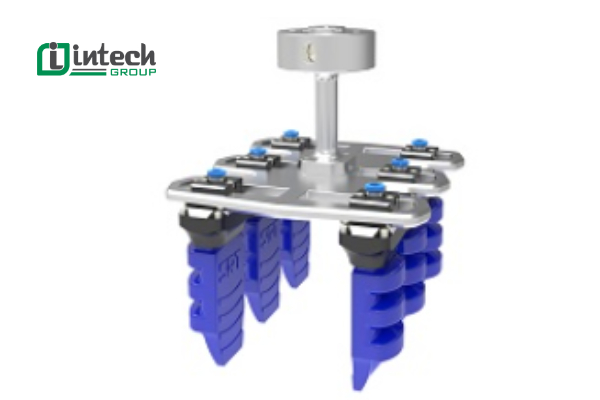
Soft clamps
Soft clamps, also known as flexible clamps, are used to handle fragile or soft products such as fruits, eggs or food items. These tools are often made from silicone, helping to minimize damage and ensure food hygiene and safety.
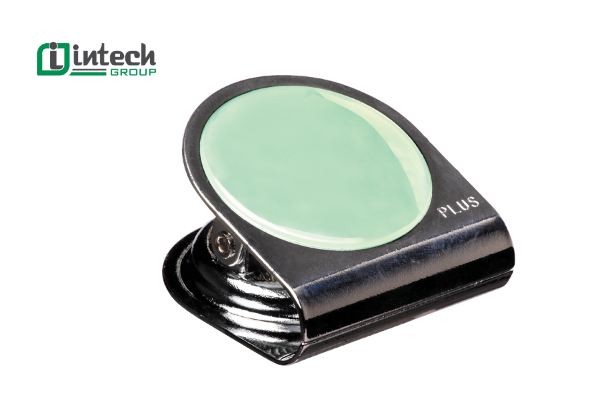
Magnetic clamps
Magnetic clamps are the optimal choice when handling metal products. They use magnetic force to hold the item firmly and are often used in the automotive industry or sheet metal processing. Due to their efficiency and high precision, magnetic clamps are very suitable for processes that require consistency.
Choosing the Right Robotic Grippers for Your Automation Process
When choosing a gripper for your robot during automation, there are many factors to consider to ensure efficiency. These factors help determine the type of gripper that is right for your specific needs and requirements. Here are some important factors to consider when choosing a robotic gripper.
1. Industrial Application
One of the most important factors when choosing a gripper is the industrial application you are working in. Each industry has its own requirements for the type of gripper. For example, in the automotive industry, grippers need to have strong clamping force and high durability, while the food industry may require soft grippers to avoid damaging the product. Clearly identifying the industrial application will help you choose the most suitable gripper to optimize work efficiency.
2. Item and Product Type
The type of item or item you are handling will directly affect your choice of gripper. If you are working with irregularly shaped or complex surfaced items, you will need a gripper that is flexible, such as a vacuum gripper or a jam gripper. Complex shaped items will require a gripper that can adapt to a variety of surfaces, ensuring easy and safe movement and handling of the product.
3. Working Environment
The working environment is also a factor to consider when choosing a robotic gripper. You need to consider whether your environment requires special hygiene standards. For example, in the food processing industry, grippers need to meet strict hygiene requirements to avoid product contamination. Conversely, in heavy industries where large and heavy items are handled, grippers need to be durable and have a high load-bearing capacity.
How are grippers used in manufacturing
Grippers in manufacturing are widely used to pick, hold and move products from one place to another, especially in processes such as robotic pick and place. These grippers replace human hands, providing faster speeds and higher efficiency, helping to increase work output. For this reason, grippers are becoming more and more popular in the manufacturing industry, with many businesses realizing the benefits they bring. Using grippers not only helps to automate repetitive tasks but also helps lift heavy products, performing tasks that are difficult for humans to do. This helps robots to do the job efficiently, ensuring that the production process runs smoothly and accurately.
Robotic grippers play an important role in automating production processes in every industry, and as such, they are becoming more and more popular to ensure quality in production. There are many different types of grippers, each of which operates on a different mechanism. Learning about each type in detail will help you choose the right gripper for your specific needs. To ensure product quality, you need to take the time to choose the right gripper for your production and industry requirements. Consult reputable robot suppliers to get accurate advice and choose the best equipment for your automation system.
Check out other robot lines on the modern technology market: AGV robot, bag loading and unloading robots
