


What is ETO? The secret to success from the Engineer To Order model
14-10-2025 372
In the context of increasingly fierce competition, businesses need to flexibly and effectively meet diverse customer requirements to create an advantage in the market. ETO (Engineer To Order) - also known as production to order - is a method that helps businesses meet specific design requirements from customers, thereby creating a difference and improving competitiveness.
By understanding what ETO is and applying the Engineer To Order method, businesses will have the opportunity to create their own mark and optimize the production process for sustainable development.
What is ETO? What is Engineer To Order?
ETO, short for Engineer To Order, is a production method in which products are designed and manufactured after receiving orders from customers. Different from mass production methods, ETO requires manufacturers to adjust the process and product design based on the specific requirements of each customer, thereby bringing unique and highly customized products.

Suitable for ETO
Enterprises that manufacture using the ETO method often target markets that have strict requirements on product configuration and require close cooperation with customers during the design and production process. These businesses not only need a skilled technical team but also need to be flexible in project management and production to optimally meet the requirements of each order.
Outstanding features of ETO (Engineer To Order)
Understanding what ETO is is the first step for businesses to effectively apply this production method. The following are important features of ETO that help businesses meet customer needs and optimize production:
- High customization ability: Unlike mass production methods, ETO allows for product customization according to each customer's technical requirements, ensuring that the product meets their exact wishes.
- Customer participation in the production process: With ETO, customers play a role in designing and describing their products. As a result, the final product will be closer to expectations, bringing maximum satisfaction to customers.
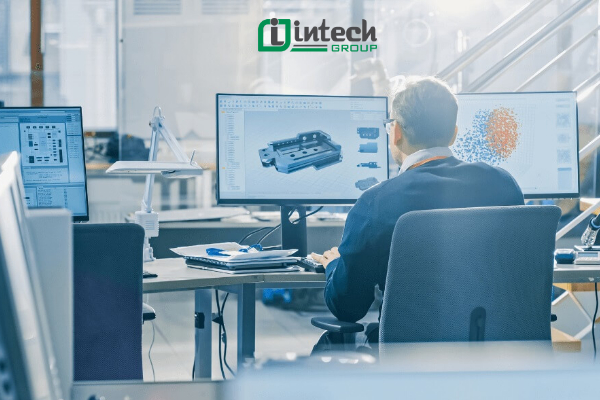
- Complex design process: Engineer To Order manufacturing requires a complex and detailed design process, as features and customizations must be optimized according to each customer's individual requirements.
- Long production time: Due to the complex design and manufacturing process, ETO often takes more time than other methods such as MTS (Make to Stock) or MTO (Make to Order).
- Variable costs: ETO production costs depend on the complexity of the design and customization requirements, which can vary greatly from order to order.
- High skill requirements: ETO implementation teams need to have high professional skills in production and sales to meet customer technical requirements and ensure product quality.
Thanks to the above characteristics, ETO becomes an ideal solution for businesses that want to bring differentiated products, meeting customer needs precisely in a fiercely competitive environment.
Advantages and disadvantages of ETO (Engineer To Order) manufacturing method
Advantages of ETO:
Suitable for high customization requirements: ETO is ideal for manufacturers who work with businesses that need to customize products or projects on a large scale, especially in areas such as heavy industry, medical devices, or construction. This method helps meet specific requirements, providing products that match the exact needs of each customer.

Disadvantages of ETO:
Complex production process: Production planning in ETO method is complex due to various technical and customization requirements. This requires careful preparation and a strict management process to ensure that every aspect of the product is completed on schedule and with quality.
Customer participation requires good organization: Customers need to be involved in the product design and shaping process, which requires good organization and effective communication between the parties. Lack of coordination can lead to misunderstandings and delays.
Delays and quality risks due to revisions: Products in ETO method often have to undergo many revisions and improvements, which can lead to delays in delivery and potential risks affecting the quality of the final product.
Volatile costs: Production costs under ETO method can vary significantly depending on the nature and complexity of each project. Cost management becomes more difficult when there are many variables in the production process.
In summary, the ETO method brings many benefits to businesses that need customized products, but also comes with challenges related to production processes, time and costs
Steps to implement the ETO (Engineer To Order) production method
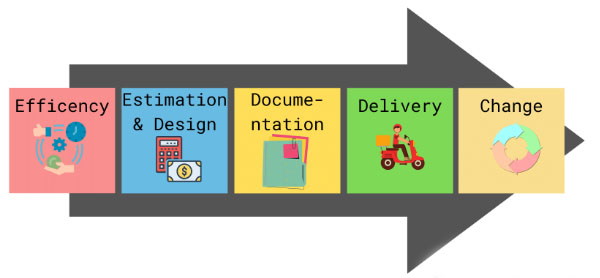
To understand the ETO (Engineer To Order) method, let's learn the specific process of Engineer To Order in the following steps:
Step 1: Collect information about product requirements
The sales staff is the first person to interact directly with the customer to collect detailed information about the customer's needs, technical requirements and preferences. Based on this information, the staff will advise on appropriate design and technical options. This process requires the sales staff to have solid professional knowledge to provide the best solution for the customer.
Step 2: Product pricing and quotation
After understanding the customer's requirements, the sales staff will calculate the estimated cost and quote the customer. The quote includes the product value, expected delivery time, conditions and after-sales support policies. Providing an accurate quote is an important step to help build trust from the customer.
Step 3: Technical design
After the customer agrees with the quote, the technical department will start designing the product. This stage includes creating CAD (Computer-Aided Design) drawings, describing the product's functions and preparing the bill of materials (BOM) for production. This is the stage that determines the quality of the final product.
Step 4: Production
Once the technical design is completed, the production department will use the BOM to order the necessary raw materials for the product. This department will then schedule the production, ensuring that the production process is efficient and on time as committed.
The ETO production process not only helps to create perfect products according to customer requirements but also ensures flexibility and quality in each stage of production.
Benefits of the Engineer To Order (ETO) method
Although the workflow of the ETO production method is quite complicated, the benefits it brings to both customers and manufacturers are undeniable. Here are the specific benefits:
Benefits of the ETO method for customers
- High customization and flexibility: The ETO method allows for the production of individually designed products, tailored to the specific needs and requirements of customers. This results in optimal product performance, helping customers achieve higher value from use.
- Create breakthrough products: By collaborating directly with customers during the design and production process, the ETO method creates unique and breakthrough products. This helps businesses increase their competitiveness in the market, strengthen their brand and increase customer trust.
- Build long-term relationships: Deep involvement in the production process helps customers build a strong cooperative relationship with the business. Satisfied customers will introduce other potential customers, expanding the market for the business.

Benefits of ETO for Manufacturers
-
High Profitability: Manufacturers using ETO can charge a premium for customized products, resulting in superior profit growth compared to conventional mass production.
-
Differentiation: ETO manufacturing helps businesses create unique products that are different from their competitors, giving them a great competitive advantage in a crowded market.
-
Reduced Inventory Risk: Since products are manufactured to order, businesses do not have to deal with excess inventory. This saves on inventory management costs and reduces waste.
-
Improved Production Efficiency: The ETO manufacturing process is constantly being improved, helping businesses improve production processes, increase product quality and reduce costs.
-
Niche Market Capturing: Businesses that adopt ETO can access and serve niche markets that mass-market products cannot meet, thereby creating new business opportunities.
Challenges of ETO
Despite its many benefits, ETO also comes with challenges that need to be considered when implementing:
-
Complexity in production: Sales, engineering design, and production all require close coordination and high skills, creating complexity for the production process.
-
Increased risk of errors: Since there is no fixed standard for production, customization according to customer requirements can lead to errors in design or production, affecting the quality of the final product.
-
Longer lead time: ETO production processes require longer lead times than other production methods, due to the need for many adjustments and communication between customers and manufacturers to ensure the product meets requirements.
-
Need for accurate cost estimates: Calculating production costs must be very accurate, as changes in design or raw materials can affect the profitability and cost of the product.
-
Finding the right suppliers: Since ETO products have specific technical requirements, businesses need to find suitable raw material suppliers, which can be difficult in choosing a reliable supplier.
-
Reliance on highly skilled labor: ETO methods require highly skilled and specialized staff to carry out the stages from design, production to quality control, resulting in the need for highly skilled personnel.
Comparing ETO with other manufacturing processes
In manufacturing processes, ETO (Engineer to Order) and MTO (Make to Order) both start the purchasing and manufacturing process after the company receives an order. This happens because the company cannot determine exactly what product to produce before receiving the order from the customer. For highly personalized orders, ETO and MTO help ensure that the product meets the exact specifications that the customer wants.
However, in the ATO (Assemble to Order) process, the manufacturing company makes purchases in advance but only starts the assembly process after receiving the order. This allows for shorter product completion times while still ensuring some flexibility in meeting customer requirements.
Differently, MTS (Make to Stock) conducts both purchasing and production in advance of receiving the order. Products are produced in large quantities and stored in warehouses to be ready to supply as soon as there is demand from the market, helping to reduce customer waiting time but increasing the risk of inventory if not consumed.
The choice of production process depends on the strategy of each company, to balance the risk of producing the wrong product to customer needs and the economic efficiency of large-scale production.
See also:
