


What is the Data Integration Platform (LGSP)? The Impact of LGSP on the Development of E-Government
09-10-2025 270
The Local Government Service Platform (LGSP) is a platform that helps connect, link and share data between agencies and organizations within a country. Thanks to this integration capability, LGSP optimizes the exploitation of data value, thereby improving management and operational efficiency.
What is the Local Government Service Platform (LGSP)?
The Local Government Service Platform (LGSP) is a technology platform that helps agencies and units in a province or city share data through shared services. This is an intermediary solution, ensuring connection and interoperability between local internal information systems and external systems, including the national NGSP infrastructure and the NDXP platform to effectively exploit the national information system.
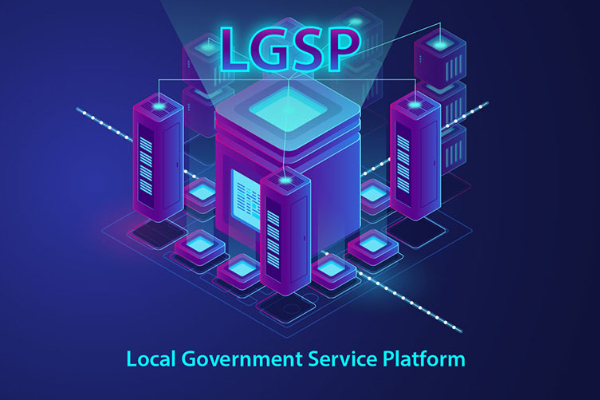
Main functions of LGSP
LGSP not only supports data sharing but also provides important features such as:
- Service monitoring and control: Manage the operation of integrated services, ensuring stable system operation.
- Information routing: Optimize data flow between systems to improve connection performance.
- Dispute resolution and mediation: Ensure compatibility between services and handle arising problems.
- Service Control and Deployment: Ensure the integration and deployment of services according to common standards.
- Application Order Unification: Integrate discrete applications into a unified platform.
- Shared Service Provision: Facilitate agencies and organizations to effectively use technology resources.

>>> Reference: How to optimize data in smart factories
Components of the LGSP data integration axis
The LGSP (Local Government Service Platform) data integration axis is structured from three main components, including:
Data integration and sharing platform
This platform is built according to the service-oriented integration architecture model, capable of connecting to the Electronic Information Portal, Online Public Service Portal and existing internal systems. This helps state agencies easily share and retrieve information.
Shared database
This database plays an important role in integrating and sharing key data. It allows the exploitation of information from internal and external units (including central and local agencies). Designed flexibly, this database can be upgraded and expanded to meet future national connectivity needs.
Data Management and Exploitation Portal
This portal is integrated into shared databases and other specialized information systems, helping to manage and exploit data effectively.

Outstanding benefits of LGSP data integration axis
According to the World Bank, the application of LGSP technology in the construction and development of e-Government brings many benefits, especially in improving the relationship between the government and citizens, businesses, and organizations. LGSP helps to provide better public services, enhance interactions between parties and optimize the efficiency of state agencies.
This digital transformation process not only benefits the government but also the people. Important information about government programs and digital services, related to citizens, is shared quickly, and timely feedback is provided to meet the needs of the people accurately and effectively.
Another important benefit is the data that governments at all levels collect from citizens through online public services. This data provides valuable context and feedback, helping the Government improve its ability to serve its citizens and respond quickly to their concerns. Collecting and using data in real time creates high value, bringing great benefits if properly leveraged. However, collecting and processing data dishonestly or illegally can erode citizens’ trust and affect the effectiveness of e-Government.
In fact, the digitization of public services has brought many positive results. In the US, each citizen saves an average of 753 USD/year when accessing, looking up information and making transactions through the Government's e-Portal. In Taiwan, the use of an electronic document exchange system reduces the cost of sending documents by a factor of 10, saving about 16 million USD per year. In Germany, people get discounts of 10-30% when using the Government's e-procurement system, while reducing transaction costs by 25-70%. In Korea, e-customs services help reduce clearance time for legally imported goods.
Thus, LGSP and e-Government not only benefit smart cities but also localities and countries. With obvious benefits, many countries, including Vietnam, are promoting the application of information technology, especially the LGSP data integration axis, to build a more efficient and transparent digital Government.

How does LGSP impact the development of e-Government?
E-Government provides the ability to interact and use public services anytime, anywhere, helping people easily access public services 24/7. Information transparency not only helps reduce corruption but also optimizes costs and improves the efficiency of government operations, thereby promoting socio-economic development and ensuring national security.
To achieve this goal, a system is needed to integrate information from different data sources, while allowing management, sharing and exploitation of information in a hierarchical manner based on a shared database. This is the important role of LGSP.
LGSP meets these requirements in the current data era. Not only does it integrate data from many different sources into a single platform, like a single database, but it also allows for hierarchical management and sharing of data. This creates flexibility, from use for individual departments to combined use on a national scale.
Therefore, in the e-Government Architecture Framework (version 1.0) of the Ministry of Information and Communications, according to Circular 23/2018/TT-BTTTT, ministries, branches, provinces and cities are required to ensure the integration platform and shared data using LGSP when building e-government architecture and systems.

Conclusion
