


What is CIM? Applications of CIM integrated manufacturing system
18-10-2025 1.894
CIM – or “Computer Integrated Manufacturing” – is a popular concept in modern manufacturing. CIM represents the use of machinery and equipment that are completely controlled by computers and integrated with automation systems.
CIM – What is Computer Integrated Manufacturing?
CIM is a familiar term in the manufacturing industry, representing the process of using computer-controlled machinery and equipment, along with production automation systems. So specifically, what does CIM stand for? This stands for "Computer Integrated Manufacturing" – a computer-integrated manufacturing system, where computers participate in controlling the entire production process automatically, helping information to be exchanged and circulated continuously throughout the entire enterprise system.
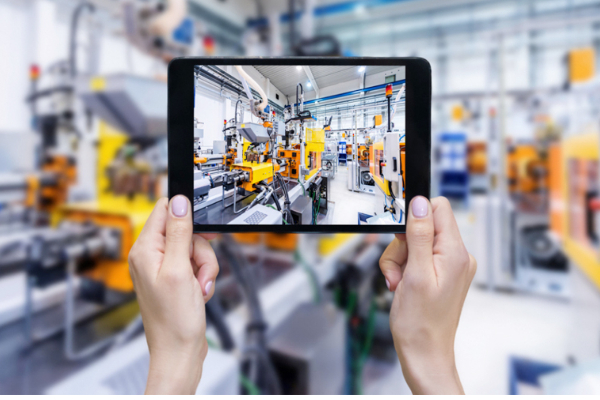
CIM System - Computer Integrated Manufacturing System, Robotics, CAD (Computer Aided Design), CAM (Computer Aided Manufacturing), ERP (Enterprise Resource Planning), and other management solutions to ensure synchronization in the entire production process. Thereby, CIM not only helps optimize productivity but also supports data synchronization between departments, increases accuracy and minimizes errors in the process.
In addition to functions such as manufacturing execution and management (MES), CIM is also a broader concept, including many levels in the enterprise, from ordering to production and distribution. According to the Association of SME Manufacturers, CIM is an integrated system that supports the entire operation of a manufacturing plant. IBM defines CIM as a technology that integrates data on design, planning, and production processes.
>> Reference: What is IPC?
How Does CIM Work?
CIM is deployed in factories to automate critical functions such as analysis, costing, design, distribution, inventory control, planning and purchasing. It is widely used in the automotive, aerospace and shipbuilding industries.
CIM functions are typically connected to a central computer-controlled station, allowing for efficient material management and handling, while providing real-time control and monitoring of the entire operation. Each part of the manufacturing process, including engineering, production and marketing, is tightly managed and integrated within the CIM system to optimize performance.
Components related to CIM
Here are the main components of the CIM system compiled by Intech Group, along with external components that businesses can apply:
Main components of CIM
CIM combines various applications and technologies, including CAD, CAM, computer-aided engineering, robotics, manufacturing resource planning and enterprise management solutions. It can also be seen as the integration of all business activities through a common data repository.
The main components of CIM include:
- Data storage, retrieval, manipulation and presentation mechanisms
- Real-time sensors to monitor current status and adjust production processes
- Data processing algorithms to optimize operations

Components associated with CIM
CIM is a manufacturing method that provides complete automation of the manufacturing facility, where all operations are controlled by computers and use common storage and distribution. CIM-related processes include:
- Computer-aided design
- Prototype production
- Cost calculations to determine efficient production methods, including consideration of production methods, product volumes, storage and distribution
- Ordering materials needed for the production process
- Computer-aided product manufacturing through digital controllers
- Quality control at each stage of development
- Robotic product assembly
- Automatic quality inspection and storage
- Automatic distribution of products from warehouse areas to waiting trucks
- Automatically updating logs, financial data, invoices into the computer system
Applications of CIM-integrated manufacturing systems
CIM-integrated manufacturing systems are applied in most of the business's operational stages, creating an optimal automated production process.
1 - CIM application in product design
In the design phase, CIM applies CAD (Computer-Aided Design) technology to support the design process, analysis and optimization of technical drawings. Employees can use software such as Solidworks, Catia, AutoCAD, etc. to create detailed drawings for each component. Then, the computer will support editing and analysis, giving the most optimal and complete design.
2 - CIM application in planning and production
In production, CAM (Computer-Aided Manufacturing) in the CIM system helps to plan and manage the production process automatically. When there is a production order and a complete design from the warehouse, factory management and transportation department, the system will automatically perform the entire production process. Raw materials are supplied to the factory, automatically assembled and after processing, the product is quality checked before being put into the finished product warehouse. Throughout the process, the computer system collects and analyzes data, helping managers monitor production performance in real time.
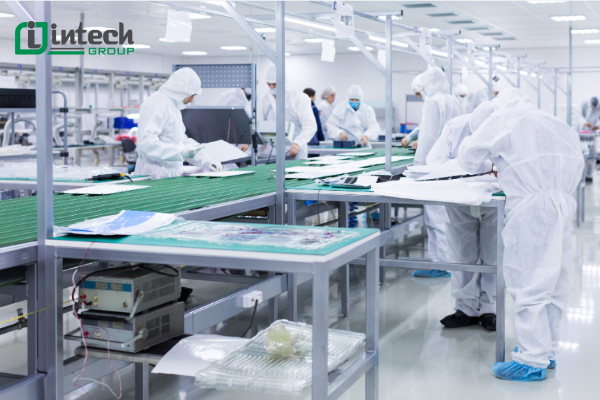
3 - Diverse application industries of CAD/CAM technology
CIM applications have become popular in the industries of component processing, electronic equipment manufacturing, chemical processing equipment manufacturing, etc. to increase efficiency and ensure high accuracy.
Benefits of CIM systems for manufacturing enterprises
- Increased productivity: Automating many processes helps enterprises produce faster and bring products to market sooner, quickly meeting customer needs.
- Flexibility in production: CIM systems allow machines and production lines to produce many different product variations, flexibly responding to changes in order requirements, thereby increasing the variety of choices for customers.
- Process optimization: CIM analyzes production data and makes recommendations to support managers in making quick decisions, helping to optimize processes and reduce unnecessary waiting time.
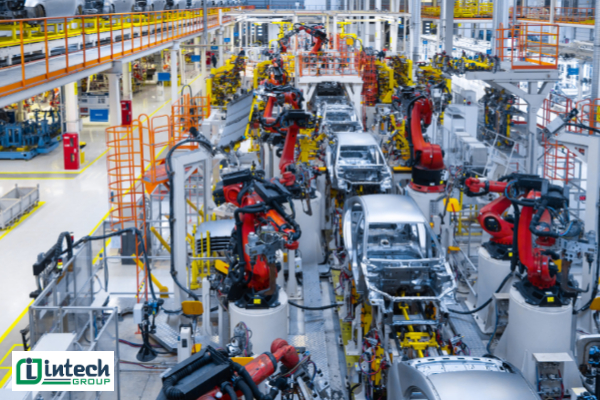
- Improve product quality: IoT devices in the CIM system monitor and detect errors during the production process, analyze errors and adjust the process to ensure the best output quality.
- Minimize errors: Automation completely eliminates errors due to manual operations, helping to minimize defective products and increase production accuracy.
- Save costs: CIM helps businesses save on labor costs, reduce production and inventory costs, contributing to lowering the final product price for consumers.
Challenges when implementing a CIM computer-integrated manufacturing system
Computer-integrated manufacturing (CIM) system brings many benefits, but businesses also face some challenges when implementing:
- High initial investment costs: For small and medium-sized enterprises, implementing a CIM system requires significant financial, technological and human resources, causing great financial pressure.
- High maintenance and servicing requirements: CIM systems, which are fully computer-based, require regular maintenance and upgrades to ensure optimal performance, creating additional costs and workload for the technical team.
- Human resource training: Employees need to be trained in new skills and knowledge to operate the CIM system. Enterprises must invest in training new human resources and improving the skills of current employees.
- Difficulty in integrating with existing systems: Integrating CIM with systems such as machinery and equipment, management software, databases and existing storage systems requires high compatibility and may encounter many technical obstacles.
- Information security challenges: CIM uses and stores a lot of important information related to products, technology and production processes. Ensuring information security requires enterprises to invest in specialized security solutions.
- Delays in implementation: The CIM implementation process is long and requires coordination from many departments in the enterprise, which can easily cause delays and affect production productivity.
Hopefully, this article has provided businesses with an overview of the CIM system. For advice on digital transformation solutions for manufacturing enterprises, please contact us via Hotline 0966.966.032 - 0986.448.456. Intech Group experts are always ready to answer questions and support businesses in choosing the right solution.
