


Future Cars - New Technology Trends and Breakthrough Design
08-10-2025 763
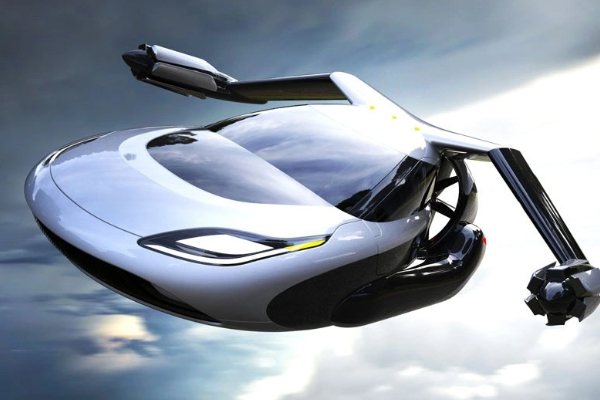
With the remarkable development in automotive technology, especially the trend of electrification and application of artificial intelligence (AI), car models in the next 15-20 years will have completely different designs and features compared to today.
Outstanding features of future cars
1. Compact and smart design
Currently, large and tall car models are popular. However, experts predict that this will change in the near future. Population growth and pressure on traffic infrastructure make compact, space-saving and environmentally friendly cars an inevitable trend.
In densely populated countries like Vietnam, the use of large cars may be taxed or charged high fees, prompting manufacturers to focus on compact, urban-friendly car lines. These changes not only optimize space but also solve the problem of parking, which is very limited.
2. Practical design trends
In the future, car models will have a more square design, focusing on practicality:
- Reducing space: The engine compartment and trunk are optimized to reduce overall size.
- Lighter weight: Using modern materials helps the car reduce weight significantly while still ensuring durability.
- Horizontal sliding door: The car door design will prioritize the horizontal sliding style to save space when opening the door, suitable for crowded urban environments.
3. Smart, convenient interior
The interior of future cars will be optimized to make effective use of space:
- Minimalistic but smart: Eliminate unnecessary options, replace them with smart support features.
- User interaction: Integrate AI to create a flexible interactive environment, turning the car into a comprehensive support "assistant" instead of just a means of transportation.
- Convenience and personalization: The interior is designed to suit the needs of each passenger, enhancing the user experience.
The car of the future will not only be a means of transportation, but also a comprehensive solution to meet the needs of modern society. With a compact, smart and practical design, future cars will help optimize space, reduce traffic infrastructure, and enhance user experience, promising to bring a completely new look to the automotive industry.
Breakthrough Technology Future Vehicles
Electric Vehicles Dominate Traffic
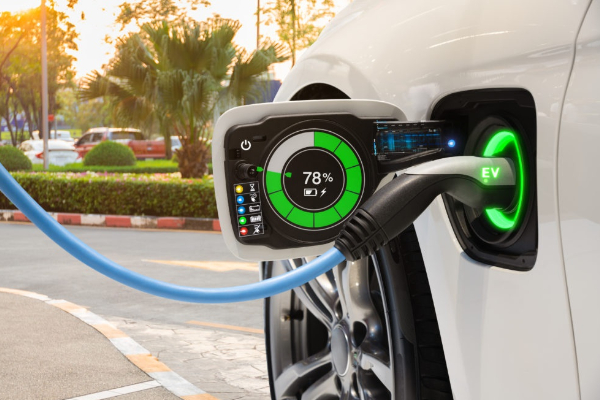
In the near future, electric vehicles will dominate the automotive industry. According to the commitments of many countries and global roadmaps, from 2040 to 2050, electric cars will be the main means of transportation. This means that in the next 10-20 years, the means of transportation on the streets will mainly be electric vehicles. To meet the demand for electric vehicles, charging stations will be everywhere, ensuring that charging is no longer a problem. Experts predict that charging technology in the future will progress by leaps and bounds, with wireless charging stations and solar power becoming the mainstream in the 2040s. This will help save costs and protect the environment, while creating maximum convenience for electric vehicle users.
Self-driving cars
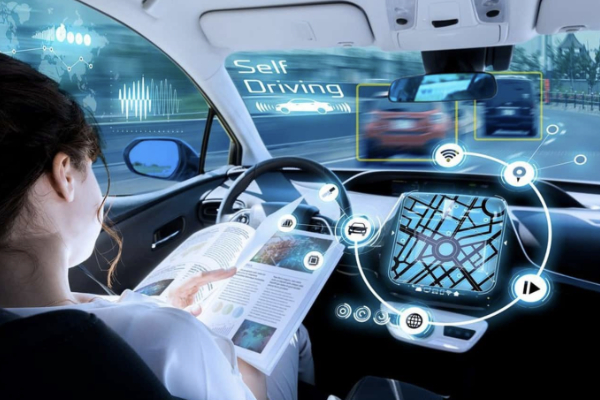
Self-driving cars will be one of the most important advances in the automotive industry in the future. Artificial intelligence (AI) will play a key role in developing cars that can drive themselves without human intervention. In the next 15-20 years, vehicles will be able to operate themselves without the need for a driver to "hold the steering wheel". With the advancement of technology, car designs will also change significantly. The front seats can be rotated, creating a convenient space for the driver and passengers to interact, play games, or eat even while the car is moving. Moreover, traditional parts such as rearview mirrors, gear levers, accelerator pedals, brakes, or even the steering wheel will be able to disappear, replaced by sensor systems, cameras, displays and sophisticated control buttons, helping to optimize space and user experience.
"Full Panorama" Cars
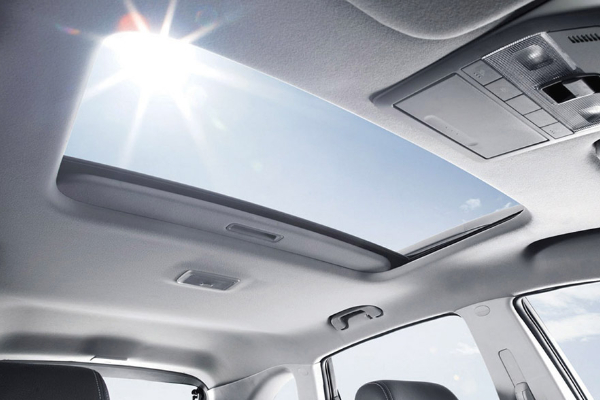
In the years 2040-2050, convertibles may no longer be the mainstream, instead, "full panorama" cars with full glass designs will become popular. The development of material technology will allow the glass to cover up to 80% of the area surrounding the car, even covering the floor. This gives passengers the ability to see the entire surrounding landscape, creating a feeling of open space, more comfortable when moving. However, the glass used will have good sound and heat insulation, while ensuring privacy for passengers. Although the car of the future may be completely different from the present, no matter what, cars will still play an important role in modern life, always serving the needs of movement and human experience.
Automation Guided Vehicle
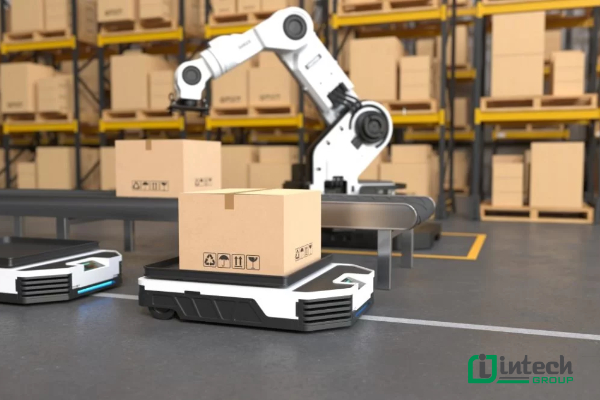
Robot AGV AGV (Automation Guided Vehicle) self-propelled robots are vehicles that apply modern guidance technology to transport raw materials and goods in production lines. AGVs do not require human intervention and can move along predetermined routes or through smart sensors. For AGVs that do not follow a path, laser sensors help the robot recognize objects in the environment. Meanwhile, AGV robots that follow a path will use magnetic sensors, metal sensors and optical sensors to move on colored lines, rails or magnetic tapes.
AGV robot safety systems include obstacle and collision sensors, which help to slow down or stop when encountering obstacles. The central controller and data transmission system via RF or Wi-Fi help control and monitor the journey of the AGV robot throughout the operation. The AGV robot's power system, including batteries and chargers, can vary depending on the vehicle type and usage needs, such as Lithium iron phosphate batteries - LIFE04 or dry batteries.

AMR Autonomous Robot
Robot AMR (Autonomous Mobile Robot) is a type of autonomous robot that can move on its own without a fixed path or human supervision. This robot uses sensor technology and algorithms to avoid obstacles and collisions, mainly used in warehouses to transport goods, collect data and inventory. LiDAR sensor technology and simultaneous mapping (SLAM) helps AMR robots determine the optimal route without human intervention. LiDAR (Light Detection and Ranging) is an infrared light scanning technology to measure distances and build 3D maps of the surrounding environment.
Through the combination of LiDAR technology and cameras, AMR robots are able to recognize the surrounding environment and automatically plan their movements flexibly and efficiently. This is one of the advanced technological solutions in the field of automation and robotization, bringing high efficiency in industrial applications.
In the future, electric vehicles, autonomous vehicles and "full panorama" vehicle designs will be the main trends in the automotive industry. With the strong development of technology, vehicles will not only be environmentally friendly but also bring a more comfortable and safer travel experience than ever. Electric vehicles will replace traditional vehicles, with charging station systems and advanced charging technologies such as wireless charging and solar energy. In addition, the advancement of artificial intelligence and self-driving systems will make traveling easier and more comfortable, no longer requiring human drivers. Future cars will bring about major changes in design and technology, creating a new era for the automotive industry, meeting people's mobility needs in a smart, efficient and sustainable way.
