


What is mechanical manufacturing? Role and practical process
10-09-2025 808
In the era of industrialization and modernization, mechanical production is considered the foundation of all production and manufacturing activities. From precision machine parts, industrial equipment to large-scale steel structures, all require the participation of mechanical manufacturing.
So what is mechanical manufacturing, what is the process and what role does it play in the industrial value chain? In the following article, Intech Group will help you learn comprehensively about this field from the concept, role, to the actual mechanical manufacturing steps in today's enterprises.
What is mechanical engineering?
Mechanical engineering is an applied science and engineering field, specializing in studying the principles of physics, mechanics and materials to design, manufacture and operate machinery and technical equipment. In the field of manufacturing, mechanical engineering plays a role in creating machine parts, industrial equipment, household appliances, etc. From the production of lathes, molds to complex components, the mechanical industry is widely present in all aspects of life and production.
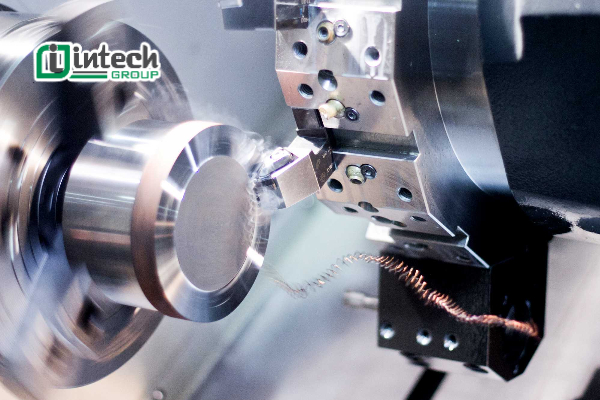
What is mechanical manufacturing?
Mechanical manufacturing is the process of using modern machinery, equipment and technology to process and manufacture metal products such as machine parts, mechanical components, industrial equipment, etc., including many stages such as cutting, turning, milling, welding, and assembly to create products with high precision and meet strict technical requirements.
With the remarkable development of technology, CNC (Computer Numerical Control) mechanical processing has become the main method in the industry. CNC allows automated processing with almost absolute precision, increasing productivity, reducing errors, and ensuring uniformity in mass production.
Products from the mechanical industry not only serve industrial production (automobiles, machinery, aviation, etc.) but are also applied in life such as household appliances, construction accessories, metal furniture, etc.
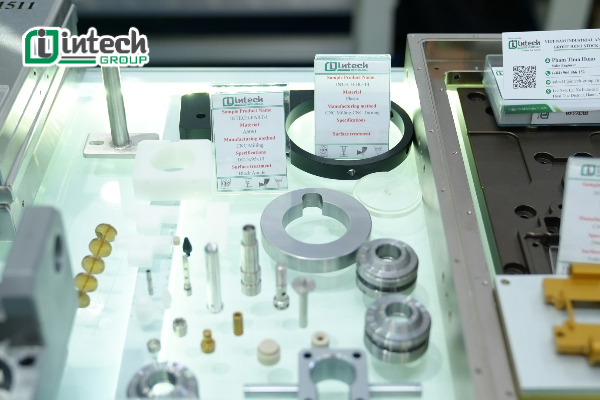
What is a mechanical production line?
A mechanical production line is an integrated system of many devices and machines, arranged according to a certain process to ensure the production process is continuous. A line can include CNC machining machines, automatic feed systems, roller conveyors, welding robots, quality inspection machines and finished product packaging equipment.
The goal of the line is to optimize human resources, shorten production time, improve product quality and minimize operating costs.
The important role of mechanical production
Mechanical manufacturing is the foundation for the development of most modern industries. The prominent role of mechanical manufacturing is the ability to mass-produce products with high precision from small details such as bolts and gears to complex equipment such as industrial machinery and automated robots. Thanks to that, the mechanical industry directly contributes to the development of key fields such as medicine, defense, high technology and aviation.
For example, the aviation industry, where the requirements for durability and precision of details such as propeller shafts and engine housings are extremely strict.
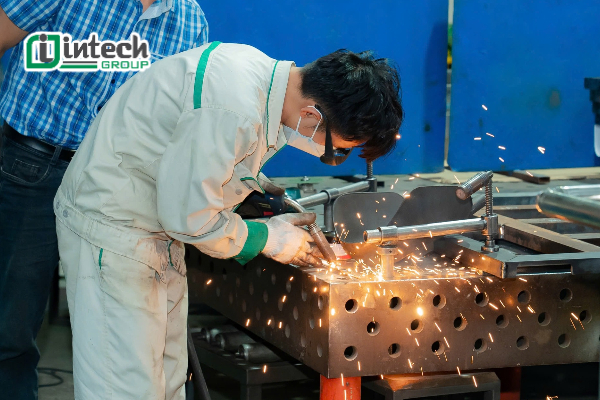
Detailed mechanical manufacturing process
To create a complete mechanical product, the enterprise needs to fully implement the steps in the mechanical manufacturing process. The mechanical manufacturing process includes the following main stages:
- Designing product drawings: Mechanical engineers will determine technical requirements, tolerances, dimensions and materials, thereby creating detailed drawings to help guide the entire manufacturing process.
- Choosing a manufacturing method: Based on the shape, size and accuracy required, technicians will choose between methods such as blank machining (casting, forging) or non-blank machining (cutting, turning, milling, etc.).
- Manufacturing product blanks: Using technologies such as casting, hot stamping, pressing or welding to create the basic shape of the product called the blank before entering the detailed machining stage.
- Production planning: Determine the processing sequence, time of each stage, personnel and machinery involved, to optimize progress and quality.
- Select equipment and operations: Choose suitable machines such as lathes, milling machines, drilling machines or CNC mechanical processing systems to ensure high precision and good automation.
- Determine the amount of machining surplus: Calculate the surplus reasonably to ensure that the product after processing meets the correct design size, without errors.
- Check product quality: After completion, the product is inspected according to quality standards (ISO, JIS, DIN...) to ensure no errors before handing over to customers.
Optimize mechanical production process with automation
In the competitive context, mechanical manufacturing enterprises not only need to create high-quality products but also optimize costs, time and human resources. This is why automation in mechanical manufacturing is becoming an inevitable trend. The integration of industrial robots, roller conveyors and ERP management systems helps to improve overall operational efficiency, from the factory to the operating room.
Industrial Robots
Industrial Robots are widely used in mechanical manufacturing, especially in stages requiring high precision such as welding, assembly, cutting and CNC machining. The ability to operate continuously 24/7, fast processing speed and high repeatability make robots a perfect replacement for manual labor in harsh environments.
Roller Conveyors
Roller conveyors play a role in transporting materials, raw materials and semi-finished products between processing areas. Thanks to their simple, flexible structure and reasonable cost, roller conveyors help to minimize material movement time, limit work accidents, and contribute to automating the production chain from start to finish.
ERP System
Integrate ERP (Enterprise Resource Planning) system. ERP helps businesses control the entire process from material planning, production scheduling, inventory to delivery and finance.
- Real-time monitoring of production progress
- Early warning of risks or delays
- Synchronize data between engineering, warehouse, purchasing and accounting
- Make quick decisions based on accurate data
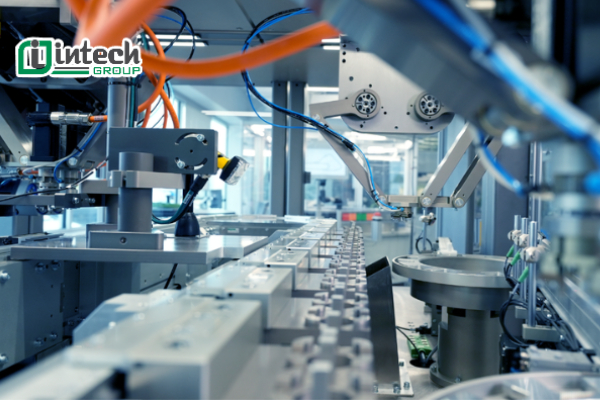
Mechanical manufacturing is not only the foundation of modern industries but also the driving force for innovation and enhancing national competitiveness. If you are looking for a precise, cost-effective yet high-quality mechanical processing solution, Intech Group is a reliable partner. We are committed to providing mechanical products that meet technical standards, along with professional accompanying services to help your business accelerate production and develop sustainably.
Contact INTECH GROUP now for detailed advice and experience the modern and efficient mechanical production process today!
